


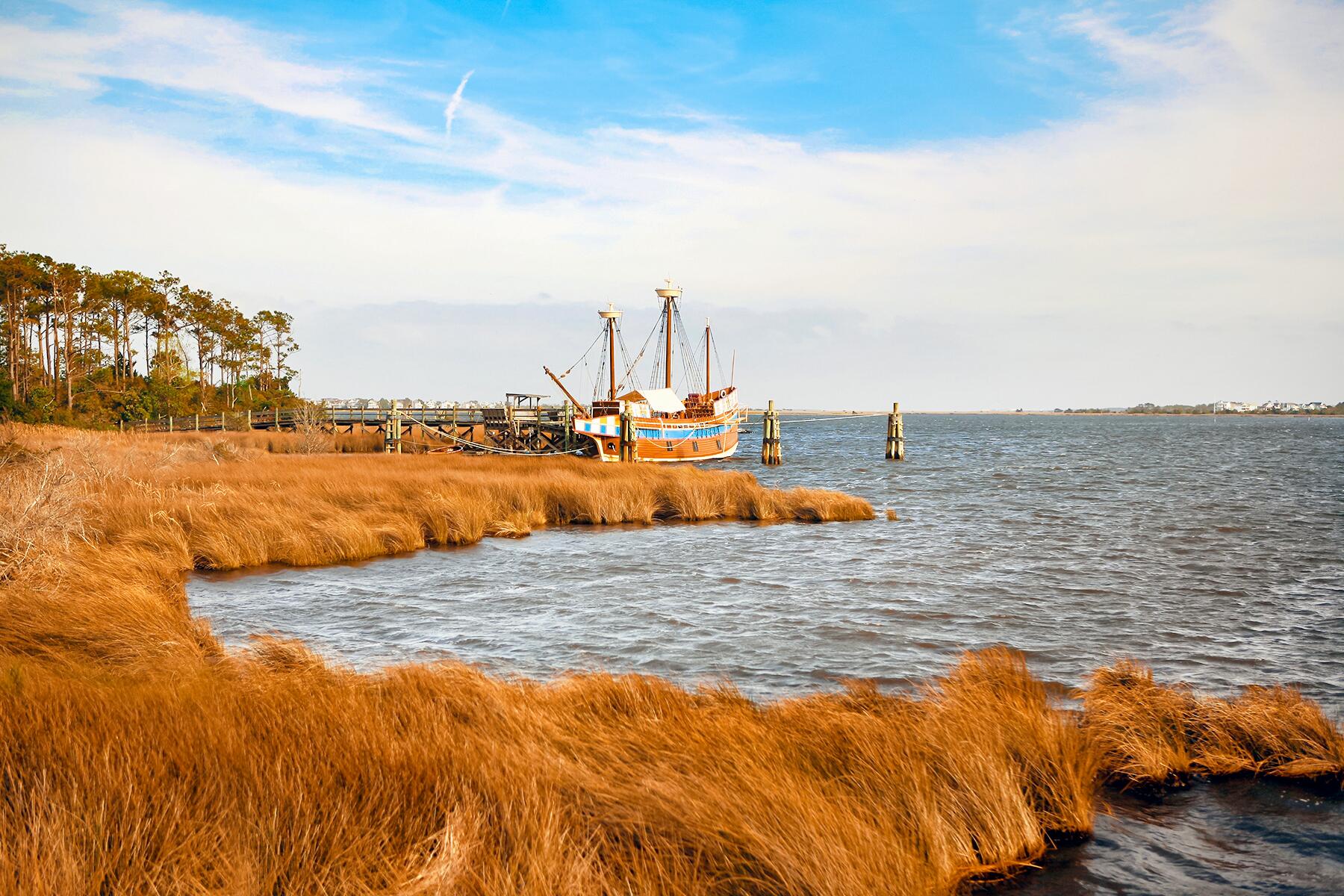

The lost colony of Roanoke remains a mystery that researchers are hoping DNA tracing can solve.
The Outer Banks (or OBX) is a stunning stretch of seaside villages off North Carolina’s coast. The 200-mile string of barrier islands is a vacation hotspot, known for its windswept dunes, wild horses, wetlands, and shipwrecks. It’s also the home of America’s most enduring mystery: the unexplained disappearance of 117 hopeful European settlers in Roanoke.
In July 1587, even before the Mayflower made landfall, a tiny fleet of three English ships sailed across the Atlantic and landed on the OBX shores. Powerful statesman Sir Walter Raleigh had dreamed of founding the first permanent colony in America. He promised John White, an experienced artist and cartographer, the governorship in exchange for a successful expedition. White and a team of middle-class men, women, and children boarded a boat the size of a school bus and voyaged overseas.
They arrived victoriously, and Roanoke Island became the cradle of the New World. Within weeks, the first English child was born on American soil. The explorers created maps and made essential observations about the Native people and local geography that remain historically significant today. But ultimately, their success was limited.


Recommended Fodor’s Video
The colonialists endured many hardships; some self-imposed and some circumstantial. They didn’t bring enough resources, such as blankets or gunpowder, and most were professional craftsmen, lacking the agricultural skills needed to grow crops on foreign land. It was also too late in the season to yield a large harvest, and coincidentally, a drought period. The entire region faced severe food scarcity. With no one having goods to trade, an already strained relationship with the Algonquian people quickly reached a mutually violent breaking point. White had to do something.
After just six weeks in America, White sailed back to Europe to gather additional supplies. His country was now at war with Spain, and Queen Elizabeth required all English ships to stay at port for military defense. One sailing attempt in 1588 resulted in a raid by French pirates, and the weather prevented another. It was three years before White finally set foot on Roanoke again, and the return was shocking.
The colony had completely vanished in his absence. Almost all evidence of a once busy settlement, including his own family, had disappeared. The only helpful clues White discovered were the words “CROATOAN,” the name of a local tribe, left carved into a fence post, and the associated letters “CRO” etched into a tree. There were a few weathered remnants of looted personal belongings left behind, but no apparent signs of a struggle. Even more peculiar was that their dwellings seemed purposefully dismantled, and no human remains were ever found on the island.
Theories Swirl Around America’s Most Historic Cold Case
The missing people of Roanoke remains the oldest and possibly most bizarre cold case in American history. There are reasons to debunk every theory explaining the mass disappearance, but over centuries, a few have stood out, ranging from the supernatural to the sensible. Early on, some speculated there was a mass demonic possession, an uprising and massacre, or that starvation caused widespread cannibalism. Others assumed that famine, disease, and natural disasters—such as hurricanes—completely wiped out the population. The most convincing hypotheses, though, was that the settlers likely migrated west or assimilated locally.
It’s possible some settlers relocated inland, but the majority of experts believe that most of the colonialists remained in the Outer Banks and were able to do so because the Native Americans rescued them. Nearby Hatteras Island was inhabited by the friendly Croatoan tribe, which was led by a man named Manteo, who was an established ally to the English. Archaeologists have discovered evidence of the first settlers on Hatteras, including buttons, pottery, blacksmith tools, weapons, and writing tablets. And in excavations during 2025, scientists uncovered trash pits containing English and Native relics side by side. When combined with the “CROATOAN” engravings White found, there is strong historical evidence to support the idea that the English did, indeed, integrate with the Indigenous people on Hatteras in order to survive.
Can the Mystery of Roanoke Be Solved?
As artifacts from the area continue to erode and oral histories are altered by time, solving the Roanoke riddle seems like an ever-accelerating race against the clock to restore the past. The last hope to unravel the disappearance might come from relatively new biotechnology, such as DNA tracing. For the last 20 years, genetic researchers have been pursuing thousands of potential descendants who could link the mixed ancestries. While they’ve found good leads, so far, nothing definitive has revealed a new truth.
If the assimilation version is correct, though, the lost colony might be even more enchanting than any unsolved mystery. It would turn the tale into an often unheard-of story, one without an enemy or intercultural violence. It would flip the longstanding narrative of merciless European-Native relationships and colonial dominance into one of cooperation and exchange, and a glimpse into early America’s aspirations to coexist peacefully.
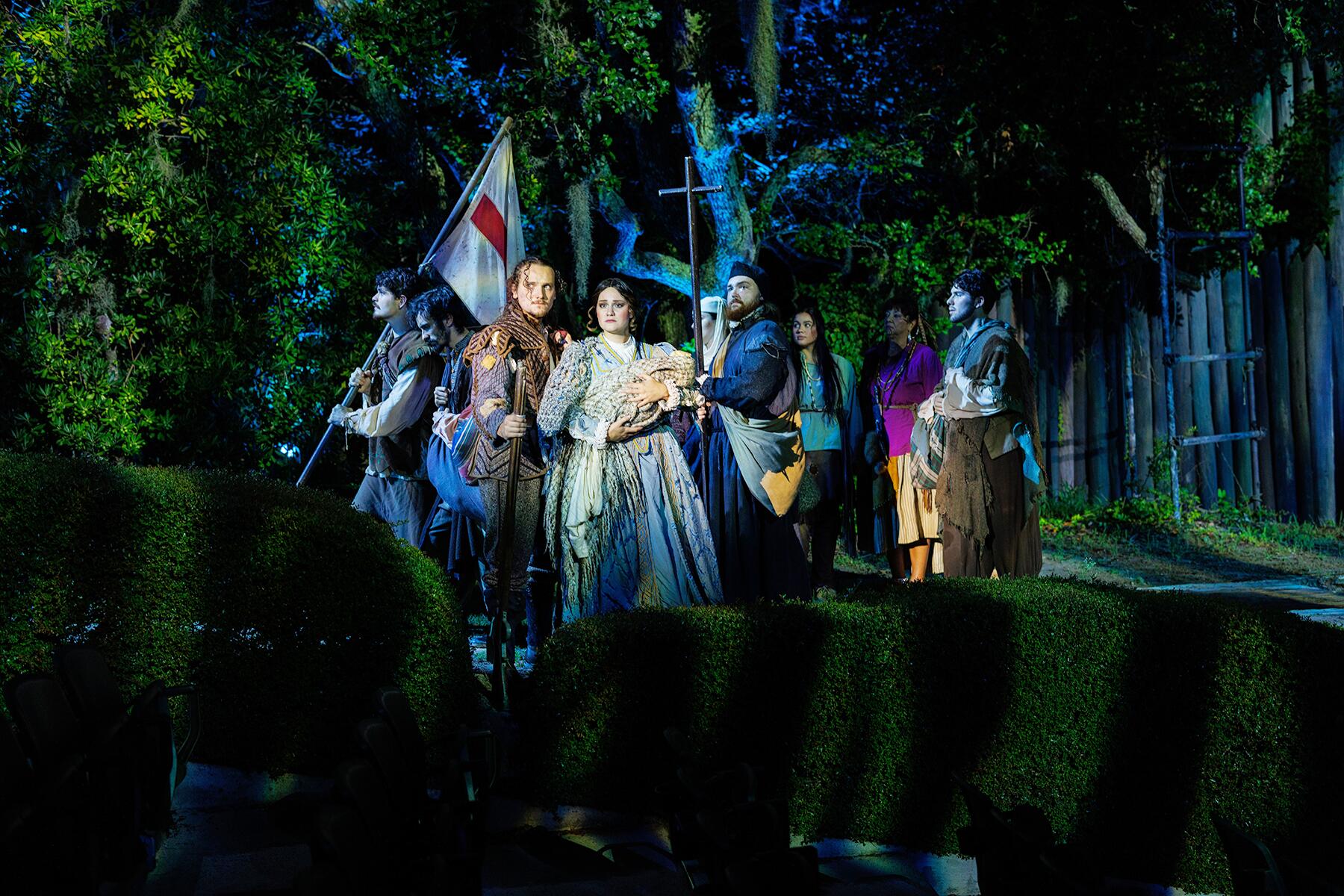
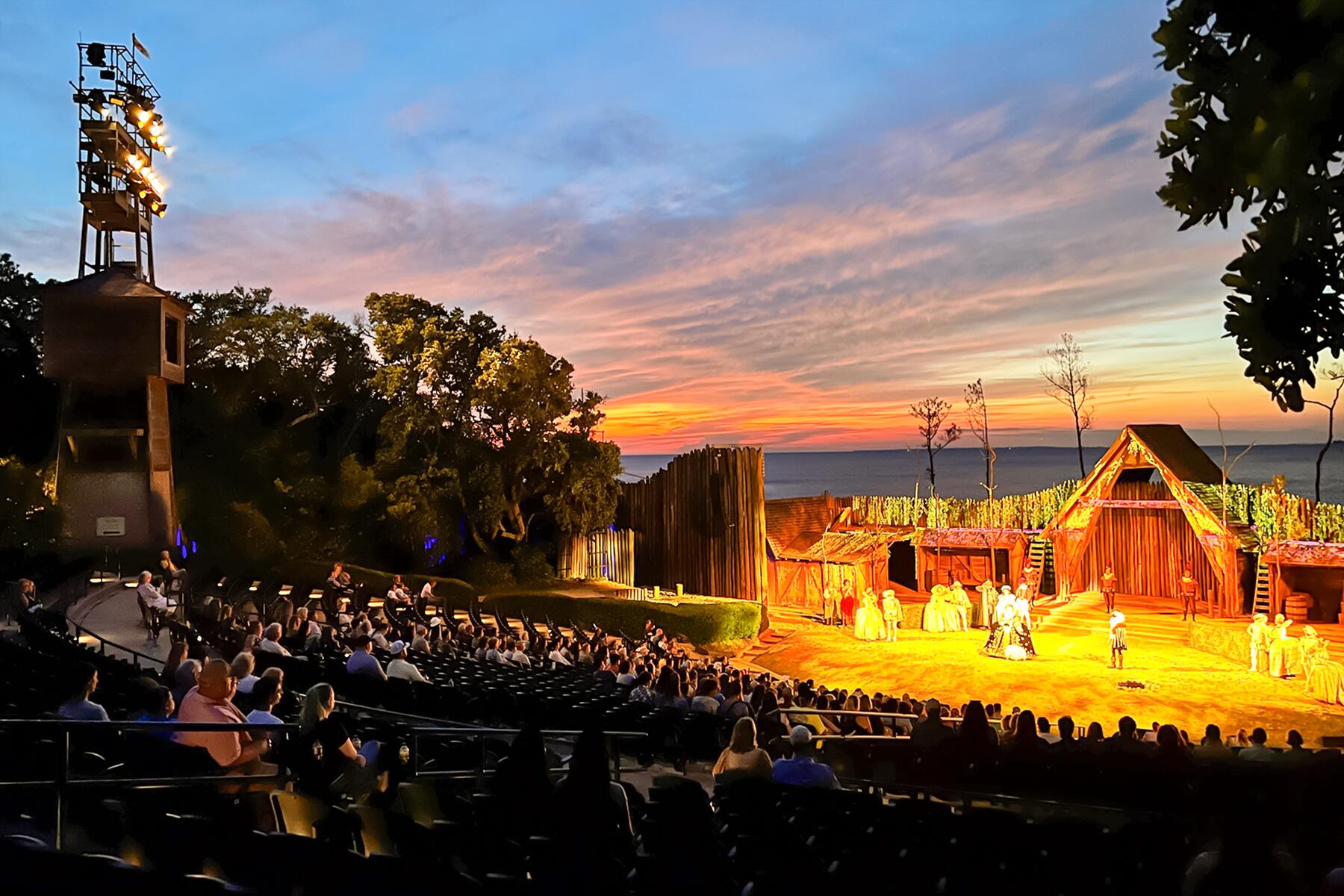
Today, travelers to OBX can explore the preserved, abandoned Roanoke colony by visiting the Fort Raleigh National Site, home to 355 acres of gorgeous heritage trails and coastal Atlantic wildlife.