




Baltimore is honoring the “Mother of Freedom” and her enduring legacy.
Lillie Caroll Jackson was a young girl navigating Baltimore’s Bolton Hill neighborhood. Behind her, a sturdy laundry wagon trundled along on her days devoted to supporting her family’s laundry service business. With freshly laundered linens in tow, Jackson walked up the steps of 1320 Eutaw Place and knocked on the row home’s door.
When it swung open, a white woman answered and was fuming, scolding Jackson for approaching the front door, a privilege at the time reserved for only white people. The woman told her to use the back door next time, to which Jackson replied, “The next time I come to this house, I’m going to use this door because I’m going to own this house.”
At the time, Baltimore was a leader in discriminatory housing practices that relegated certain city blocks to homeowners based on race, something Jackson would later help turn on its head.
The Enduring Legacy of Ma Jackson
“Ma Jackson” was an exceptional individual who dedicated her life to fighting for civil rights and improving the lives of Black communities through education, employment, housing, and more. Her impactful work led to the significant growth of Baltimore’s NAACP chapter, earning her the well-deserved title of “Mother of Freedom.” Even with this crown, not enough people know about her legacy.


Recommended Fodor’s Video
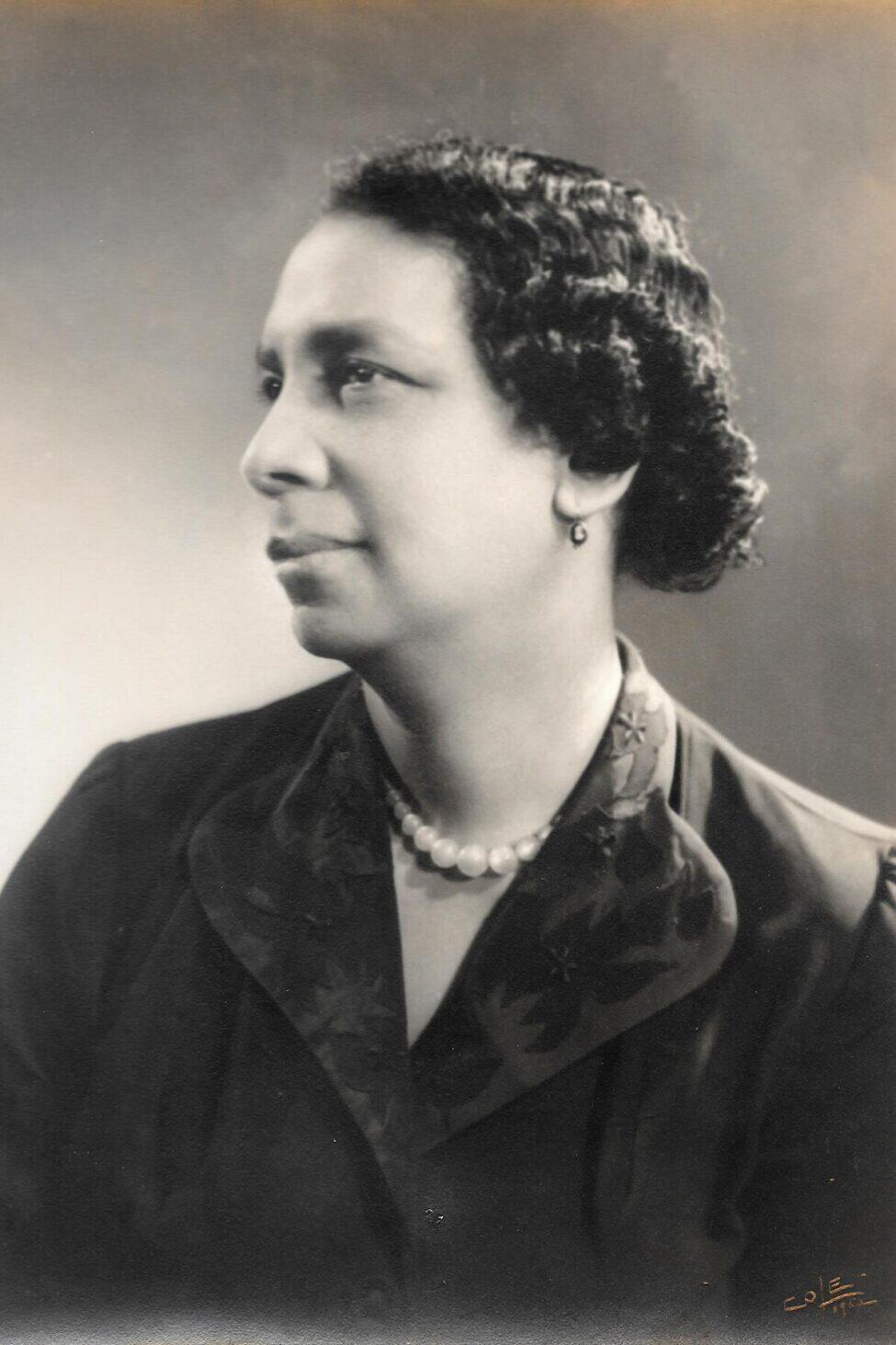
Leaning into the entrepreneurial lessons of her early family life, Jackson knew she couldn’t rely on the racist institutions around her for work. In the 1910s, Jackson and her husband, Keiffer, traveled extensively, hosting movie nights in churches from Richmond to Pittsburgh. She would sing and lecture audiences while the films they showed spread religious messages and depicted Black people in uplifting, positive ways, unlike the mainstream media of the day. For 10 cents admission, attendees could safely enjoy a movie in their community’s comfort.
Setting Up Home in Baltimore
After years of traveling and hosting numerous shows, the Jacksons settled in Baltimore to provide a stable environment for their growing family. Using the film funds, Lillie Jackson invested in multiple real estate properties. She established a successful business as a landlord, contributing to the family’s economic independence, an uncommon feat for many Black women at the time.
“That’s how she earned her income and confidence that she could do what she needed without worrying about losing a job,” explains Dr. Iris Barnes, Associate Director at the Lille Caroll Jackson Civil Rights Museum. “She didn’t need jobs. She created her own income and was an entrepreneur when it was difficult for women to do many things.”
In 1918, Jackson underwent emergency surgery for mastoiditis. She prayed for her life and vowed to dedicate herself to raising her children and serving her community. Despite facial disfigurement, she survived, taught herself how to speak again, and devoted her life to fighting for civil rights in Baltimore and beyond. Her work in the church and community helped forge ties between ministers, politicians, educators, and everyday folks, inspiring them to invest toward a better collective future.
The work became a family affair when her daughters Virginia and Juanita co-ran the City-Wide Young People’s Forum to take direct action against lynching and discriminatory businesses. One of the most famous campaigns, “Buy Where You Can Work,” encouraged Baltimoreans to boycott A&P stores, the local grocer that set up shop in African American neighborhoods but refused to hire Black people–which was especially problematic during the Great Depression when jobs were scarce. The forum was highly influential in the city and responsible for packing pulpits across churches with thousands when they brought speakers like W.E.B. Du Bois and Mary McLeod Bethune to town.
After three decades of dedicated service to her community, Jackson fulfilled her childhood dream by purchasing the house at 1320 Eutaw Place. Recognizing the continued importance of community in the movement, she opened her home as a hub for aspiring activists to plan their next steps. Just beyond its doors, visitors were intentionally confronted with the NAACP’s famous black-and-white pendant that reads, “A man was lynched yesterday.”
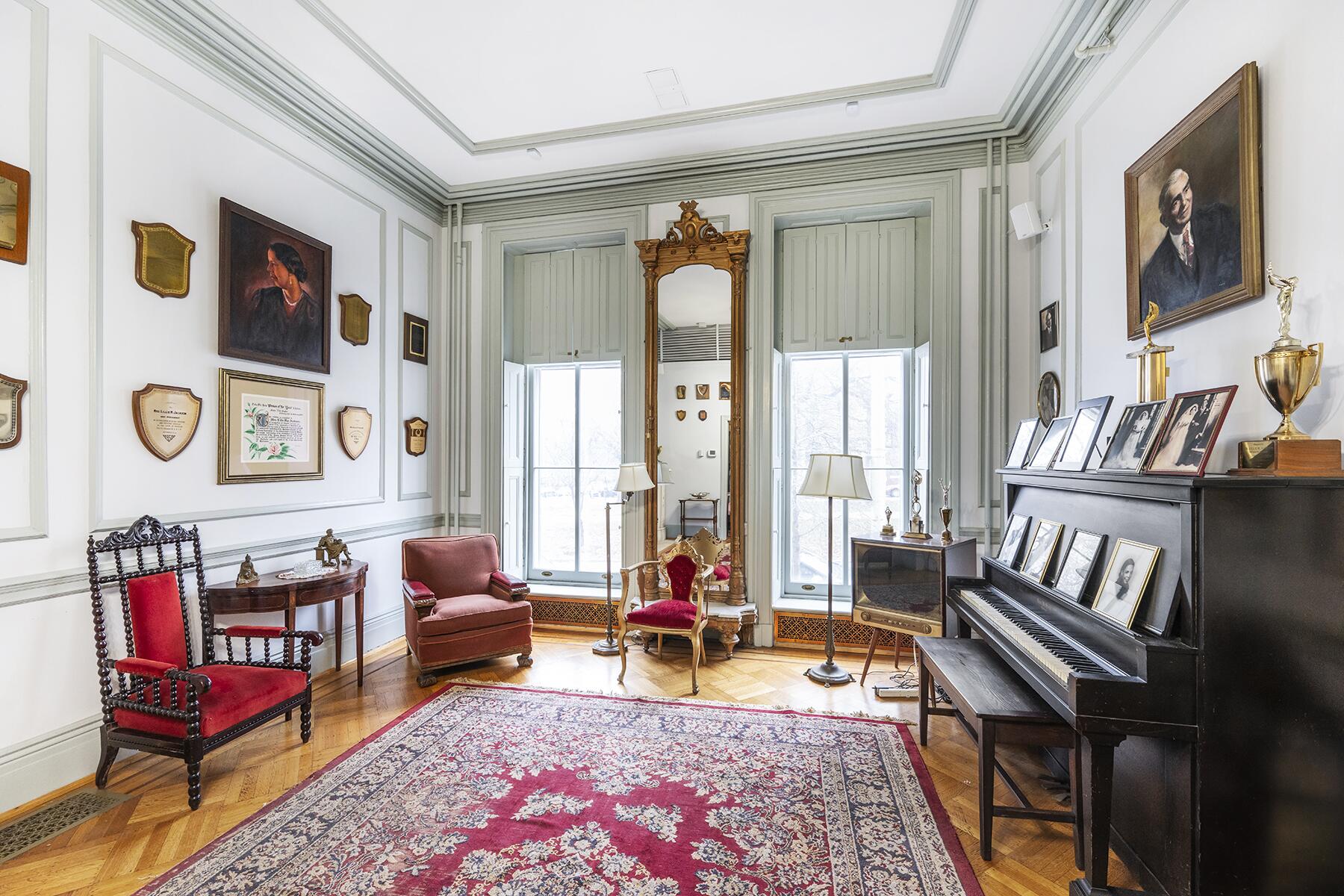
In the living room, where like-minds met, walls were trimmed in gold-framed diplomas, awards, and family photos. Burgundy and rust-colored chairs hugged the parlor room’s corners. Jackson’s bedroom sat off to the left, enveloping her in the action. It was a homey space where folks knew they could be free, even if only for a night.
According to Jackson’s family history, one evening, the room swirled with the aroma of crispy fried chicken cooked to perfection. Sitting at the table was a distinguished guest who had just finished speaking across the street. He was likely in need of a plate that nourished his spirit and offered a comfortable reminder of home: Martin Luther King Jr. Beyond feeding folks, Jackson’s place was a sort of unofficial bed and breakfast that hosted comrades like Jackie Robinson and Rosa Parks during a time when booking a hotel in the hope of a good night’s sleep were few and far between for Black people due to Jim Crow era segregation.
Honoring Jackson’s Legacy
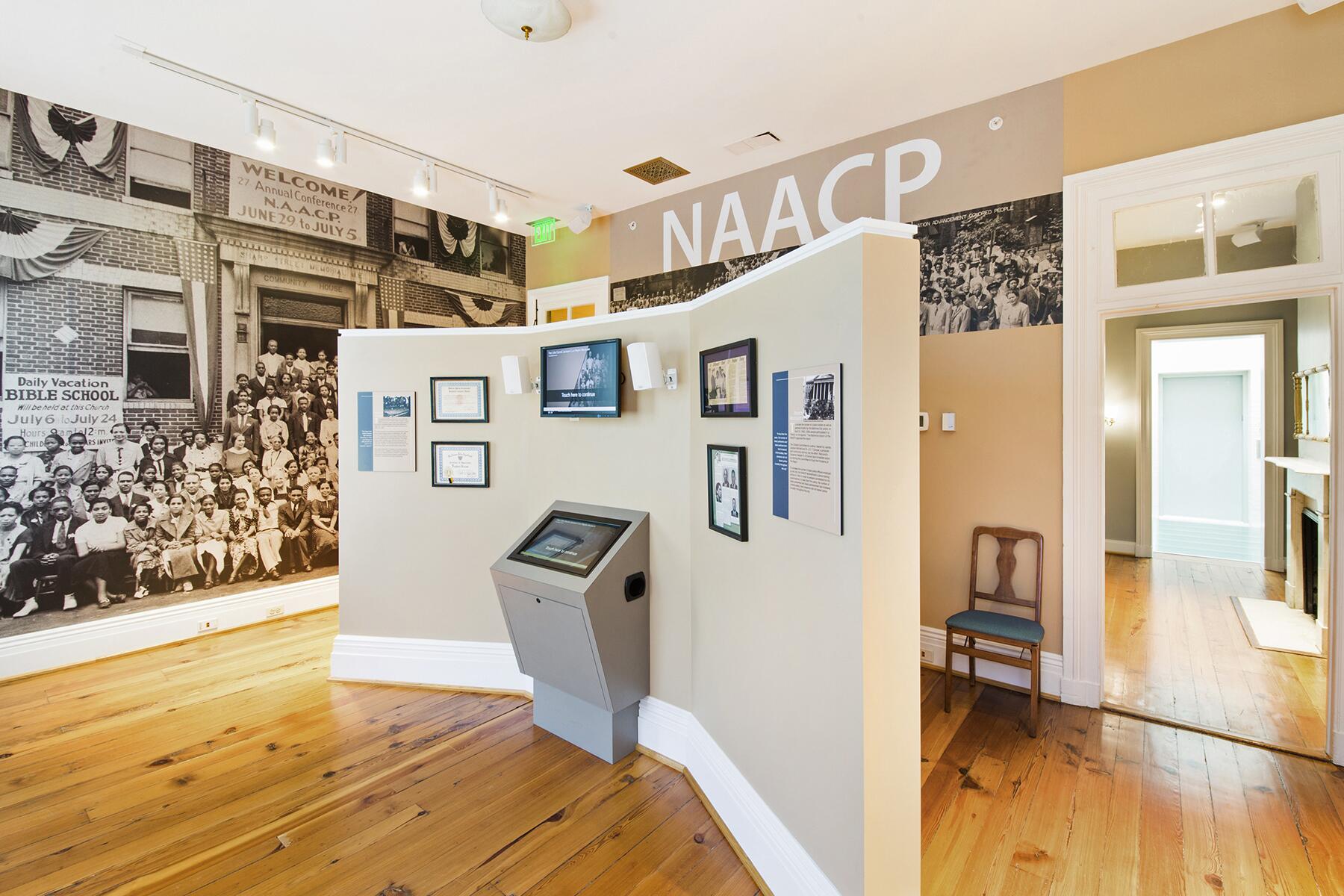
Today, her former home, as outlined in her will, has been transformed into the Lillie Caroll Jackson Civil Rights Museum, now under the ownership and operation of Morgan State University. Housing a wealth of history across three floors, the museum’s six galleries offer rich insight into Jackson’s life and legacy, her family’s dedication to activism, and the contributions of other civil rights pioneers, such as Baltimore leaders Thurgood Marshall and Clarence Mitchell Jr., the activist and lobbyist who later became her son-in-law. Jackson rests at Baltimore’s Mount Auburn Cemetery, alongside many other notable Black Baltimoreans; it is the city’s oldest African-American-owned and operated burial site. Jackson lived out her life’s motto until her dying day, “service to your people is the rent you pay for your space on this earth.”