


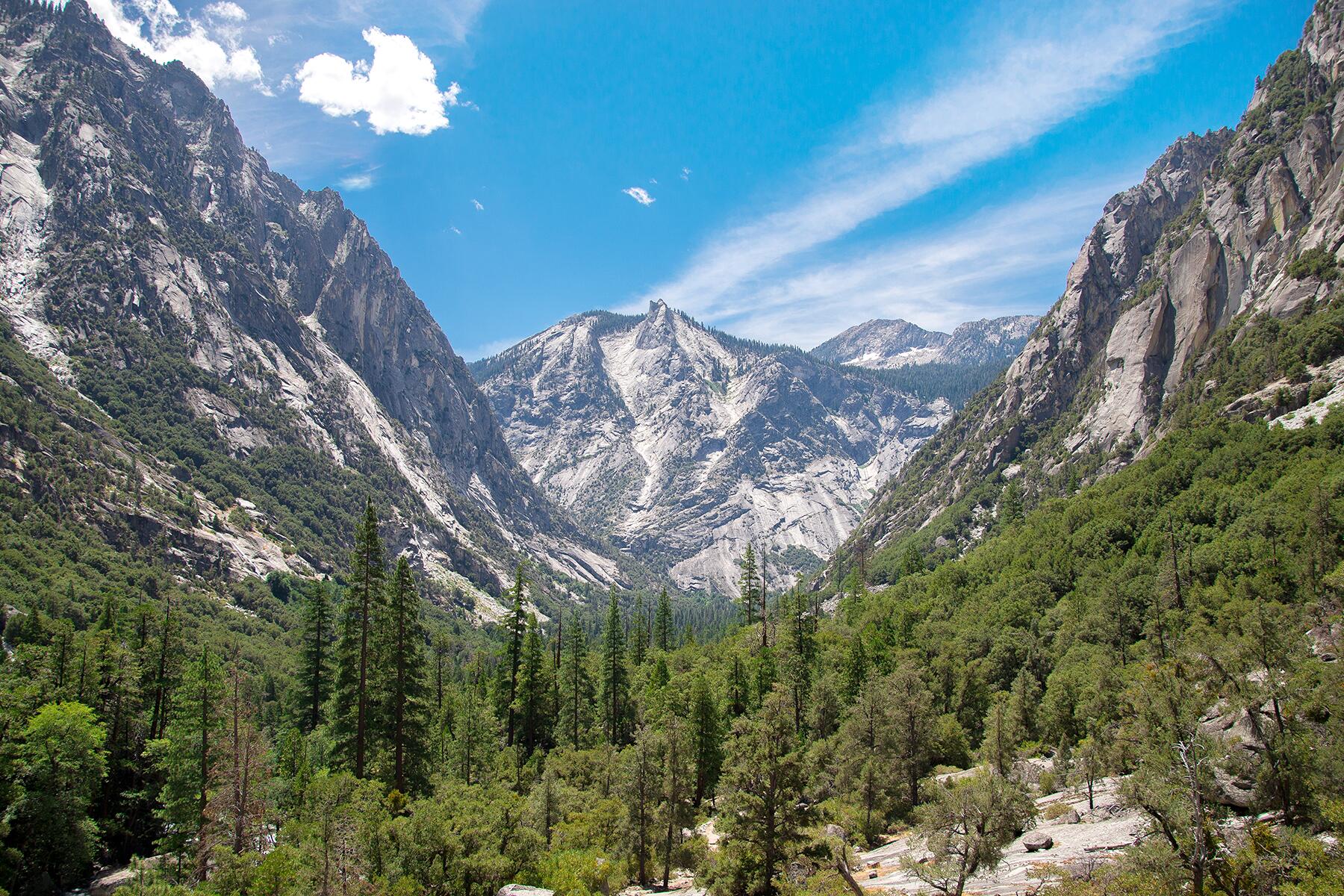

From the otherworldly desertscapes, soaring redwoods, and eye-popping canyons of California to the volcanic peaks, lush rain forests, and pristine beaches of the Pacific Northwest, the West Coast contains some of the country’s most celebrated national parks. You probably already have destinations like Yosemite, Crater Lake, and Mt. Rainier on your bucket list, and on this tour you’ll have the opportunity to see what makes these iconic parks so special. We hope you like driving, since you’ll need a minimum of three weeks to complete the journey.
Day 1: Los Angeles or Palm Springs
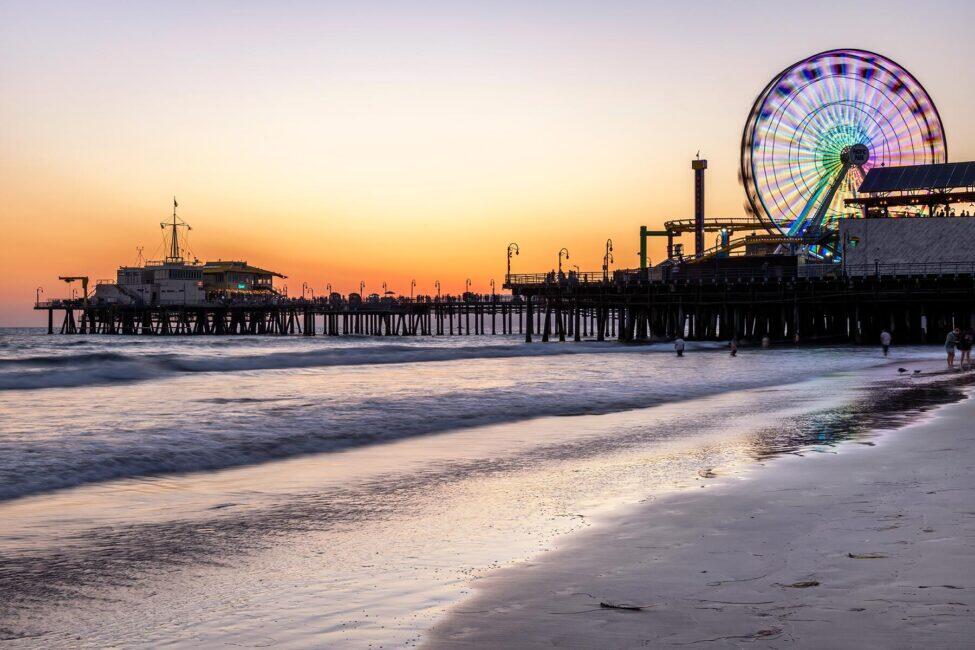
You have two options for a base. You could stay in the City of Angels for your epic West Coast tour, spending the first day strolling along the Hollywood Walk of Fame or soaking up the sun on Santa Monica beach. For dinner, head to the Reel Inn, a funky, old-school spot in Malibu that’s perfect for a casual seafood feast and is perhaps most famous for its mahimahi sandwiches and pepper-seared ahi salads.
The second option is Palm Springs, a small desert city that’s a popular gateway to Joshua Tree National Park. The Coachella Valley’s classic desert resort community is worth at least a short stop on the way to the park to stroll among downtown’s distinctive design shops, galleries, and eateries and maybe even to ride the thrilling Palm Springs Aerial Tramway, which carries passengers through Chino Canyon to an elevation of 8,516 feet, near the summit of Mt. San Jacinto. Here you can hop out for a view east that takes in Joshua Tree, and even set out on an alpine hike.
Top Picks for You


Recommended Fodor’s Video

Days 2 and 3: Joshua Tree National Park
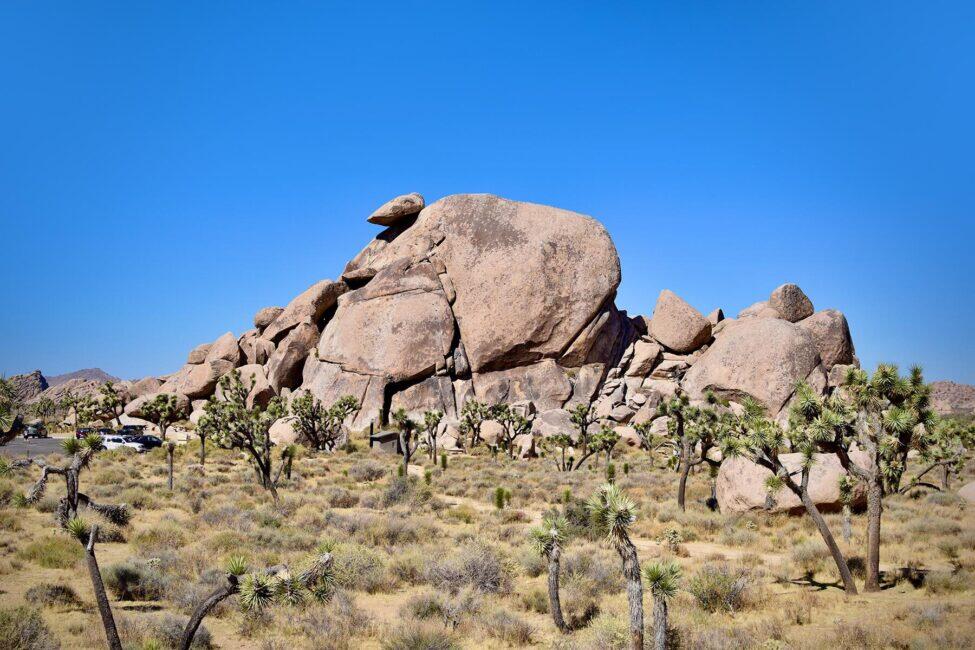
This 800,000-acre expanse of the Mojave and Sonoran deserts contains hundreds of the distinctive Joshua trees for which the park is named. It can be appreciated in a day, but allowing two will give you the chance to explore some of the scenery a bit farther afield, such as making the somewhat challenging 2-mile hike to Lost Horse Mine. Joshua Tree’s Park Boulevard extends for more than 50 miles through the park, and especially if you’re staying in Palm Springs one or both nights, it’s worth either starting or ending on this drive via the park’s southeastern entrance off Interstate 10.
Must-sees that are easy to access from the main park road include the boulder-strewn paths around Skull Rock and the Jumbo Rocks Campground and Hidden Valley and Cap Rock, which you can tour via easy loop trails dotted in places with Joshua trees. Be sure to make the 6-mile side drive to Keys View overlook, from which you can see the San Andreas Fault and the Salton Sea, and on clear days, the craggy mountain peaks of northern Mexico. Stay at 29 Palms Inn.
Day 4: Death Valley National Park
Four hours away is your next stop. At 3.4 million square miles, Death Valley is the largest U.S. national park outside Alaska, and although its name hints at some of the hottest temperatures and most unforgiving terrain in the world, it’s also a land of considerable diversity, with multicolored canyons, 11,000-foot peaks, undulating sand dunes, and fragrant wildflower meadows. Start the day with a drive along 9-mile Artist’s Drive, admiring the brilliantly hued landscape, then continuing on a short distance north to the rewarding 2-mile Golden Canyon Interpretive Trail. Later in the day, check out Zabriskie Point, which takes in the park’s dramatic, multihued hills, and Dante’s View, a mile-high lookout in the Black Mountains from which you can see many of Death Valley’s most remarkable features. Stay in Inn at Furnace Creek.
Days 5 and 6: Sequoia and Kings Canyon
Because getting here entails a long six-hour drive, and Sequoia and Kings Canyon are actually two distinct but contiguous parks, it’s worth developing a strategy before deciding on your exact route. If time is limited or you’re traveling by RV, plan to spend one night in Kings Canyon’s Grant Corner Village, limiting your time in Sequoia to the park’s northern reaches, and arriving via Highway 180. If you’re able to stay two nights and you’re driving a vehicle shorter in length than 22 feet, you could drive to Sequoia the first night via windy but scenic Highway 198 to see towering, ancient conifers—the world’s largest trees—and then spend a second night in Kings Canyon appreciating sweeping alpine peaks and valleys. Stay at the grand, cedar-and-stone Wuksachi Lodge in Sequoia, and timber-frame John Muir Lodge in Kings Canyon.

Day 7: Yosemite National Park
Take a 3½-hou drive to Yosemite, one of the most celebrated landscapes in America. During a shorter stay, you can view the stands of imposing sequoia trees in Mariposa Grove in Wawona, which is the easiest area to access if coming from Fresno. And you can focus the rest of your time on the iconic sites of Yosemite Valley—admiring legendary El Capitan (the largest exposed-granite monolith on the planet), checking out the roaring triple cascades of 2,425-foot-tall Yosemite Falls, driving (or taking a free park shuttle) to the overlook atop Glacier Point for an astounding view of the valley, and embarking on one or two shorter or even half-day hikes, such as the 3-mile Mist Trail to Vernal Fall or the 8.5-mile Panorama Trail from Glacier Point, which provides you terrific views of Half Dome. Stay at the grand stone-and-timber Ahwahnee.
Day 8: Lassen Volcanic National Park
Get up bright and early for a six-hour drive to Lassen, named for the now dormant plug volcano at its heart. The 165-square-mile national park is more diverse than its name suggests, offering miles of trails through dense alpine forests and wildflower meadows. The drive north along Lassen Park Highway is a gem, passing by the Devastated Area, which still shows evidence of the volcano’s 1915 eruption, and leading to the gorgeous scenery around Manzanita Lake, where you can visit the excellent Loomis Museum and enjoy a stroll along the 1-mile Lily Pond Nature Trail. Other draws include the 3-mile round-trip Bumpass Hell Trail, which reveals some of the park’s most exciting geothermal features, including steam vents, mud pots, and boiling lakes, and assuming you’re fit for a 2,000-foot climb, undertaking the 2.5-mile hike to the 10,457-foot summit of Lassen Peak. Stay at the Highlands Ranch Resort.
Day 9: Crater Lake National Park
A four-hour backcountry drive through northeastern California’s sparsely populated Lassen and Modoc national forests and southern Oregon’s Cascade Range abounds with bewitching natural scenery. Once you’ve arrived, the 33-mile Rim Drive loop around America’s clearest and deepest lake offers dazzling views at numerous vista points, especially Sun Notch, Discovery Point, and Cloudcap Overlook, which also affords views of the park’s highest point, Mt. Scott, an 8,934-foot volcano. If you have a full day to visit the park, take a boat cruise to Wizard Island and hike to the top of this cinder cone, which rises 763 feet above the lake’s surface, for a distinctive view of the rim and the lake. This is also a good place to hike part of the Pacific Crest Trail, which extends 33 miles through the park. Stay at Crater Lake Lodge.

Day 10: Mt. Hood and Portland
Take a four-hour drive north to Portland, where you can stretch your legs and grab lunch, checking into a hip hotel. Then head to Mt. Hood, Oregon’s tallest peak. Hike there and return to spend the night in Portland, perhaps on the East Side, where you can peruse the bistros and bars of the Alberta Arts District. Alternative options include powering through another hour of driving to Mt. St. Helens, a powerful volcano that erupted in 1980. You can get a good view from the Johnson Ridge Observatory.
Day 11: Mount Rainier National Park
Onward! From Mt. St. Helens it’s two hours to Mt. Rainier; from Portland it’s about two hours 20 minutes. Make your first stop Henry M. Jackson Memorial Visitor Center followed by a stroll amid the wildflower-carpeted meadows around the park’s lofty Paradise section, on the mountain’s southern slope. One slightly ambitious but highly rewarding hike from this area is the 5-mile round-trip Skyline Trail, which leads over sheer alpine ridges to an astounding overlook, Panorama Point. Overnight at Paradise Inn.
Day 12: North Cascades National Park
It’s a long haul (6½ hours) to this somewhat underrated and remote park that’s home to many of the last surviving glaciers in the Lower 48 as well as nearly 800 square miles of stunning wilderness and glacial lakes. Apart from remote Stehekin, the park’s most popular draws are the 95-mile stretch of Highway 20 (aka the North Cascades Highway) that traverses the park and offers a slew of hiking trailheads—some of them through coniferous old-growth forest—and memorable vistas, the most famous of which is 5,477-foot Washington Pass. If you’re driving through the park in just one day, stop and soak up the views of intensely turquoise-blue Diablo Lake from the vista point at mile marker 132, and check out Gorge Creek Falls, where you can admire a radiant 242-foot cataract. Stay at Silver Bay Inn.
Days 13 and 14: Olympic National Park
You know the drill—wake up early for your six-hour drive to one of the most geographically diverse parks in the country. This 1,442-square-mile expanse of jagged, snowcapped mountain peaks, peaceful rain forests, rippling alpine lakes, and stunning, boulder-strewn beaches is best enjoyed over a few days, ideally overnighting in a couple of different areas. If you’re short on time and have just one night, plan to stay in Port Angeles and drive to mile-high Hurricane Ridge for the rugged 3-mile Hurricane Hill loop hike. Then as you make your way around the Olympic Peninsula, spend an hour or two traipsing through Hoh River Rain Forest—sometimes dubbed the quietest place in the United States—and time your visit to explore the coast at Ruby Beach and La Push late in the day to enjoy the sunset. If you’re able to spend a bit more time in the park, explore the shores and nearby woodlands of Lake Quinault and its gorgeous Lake Quinault Lodge.
Day 15: Lewis and Clark National Historical Park
Follow U.S. 101 west from Port Angeles to kick off your five-hour drive to this Oregon park, stopping in the town of Aberdeen along the way. Arrive and explore this engaging historical park with units on both the Washington and Oregon sides of the mouth of the mighty Columbia River. Spend the morning in Oregon, visiting the interpretive center and re-creation of Fort Clatsop, and set out on the 1½-mile Netul Landing Trail. Later in the day, cross back into Washington to explore Cape Disappointment State Park, with its rugged sea cliffs and beach hikes, two lighthouses that you can reach by short and easy trails, and the Lewis & Clark Interpretive Center, which is perched high on a bluff and presents interesting exhibits about the Corps of Discovery expedition as well as the region’s natural and human history. This part of the park is beautiful at sunset. Stay at Adrift Hotel.
Day 16: Oregon Dunes National Recreation Area
The five-hour journey to Oregon Dunes is a simple, straight shot down U.S. 101, also known as the Oregon Coast Highway. However, this is also one of the prettiest coastal drives in the country. Encompassing a 40-mile swath of shoreline that’s home to the largest expanse of natural sand dunes in North America, this popular spot for beachcombing and dune buggy rides is a fun place to kick off your shoes and cavort in the wind and sun. Some dunes reach as high as 500 feet. At Honeyman Memorial State Park in Florence, you can book dune buggy tours. For a quieter ramble, pull off at the Oregon Dunes Day Use Area, just off U.S. 101 across from Lost Lake (near mile marker 201), and scamper among these giant mounds of sand. Stay at River House Inn.

Day 17: Redwood National and State Parks
Drive three hours south along the coast to Redwood National Park and State Parks, the definitive place to walk amid towering giants, which can rise to more than 350 feet and differ from the sequoias in that they grow near the coast. Start with Del Norte Coast Redwoods State Park, where you can saunter along the pristine sands of Wilson Beach and False Klamath Cove and explore several large groves of redwoods. The best place to spend the bulk of your time is the Prairie Creek Redwoods State Park section, which is just off U.S. 101. Here you can drive 10-mile Newton B. Drury Scenic Parkway, admiring trees along the way, stopping at several points—notably the Big Tree Wayside—for short hikes. Stay in Crescent City, grabbing a pint of craft beer at SeaQuake Brewing in the evening.
Day 18: Point Reyes National Seashore
It’s five hours to this 71,000-acre national seashore set on a lush, windswept peninsula in the Pacific, just 30 miles north of San Francisco. It’s a pristine patchwork of drives and hikes atop 100-foot sea cliffs, along pristine beaches, and past wildlife-rich estuaries. It’s worth driving to the farthest point in the park, Lighthouse Visitor Center, for a trek over a dramatic headland where you can often spy gray whales just off the coast during the winter and spring migratory periods. Stay in Olema House.
Day 19: Pinnacles National Park
Three hours from Point Reyes, this remarkable volcanic landscape feels like two separate places, as it’s accessed from either the east or west, and there’s no road connecting the two entrances. From Point Reyes National Seashore, take Highway 1 through the gorgeous Marin Headlands to U.S. 101, continue south over the Golden Gate Bridge through San Francisco, and continue on. In the eastern section of the park, you can view the excellent exhibits at the Bear Gulch Nature Center, before embarking on the Bear Gulch Trail to the famed Bear Gulch Caves. On the western side, drive to the Chaparral Trailhead area for a grand view of the park’s High Peak, and take the 2½-mile Balconies Cliffs-Cave Loop. For any of these hikes to the park’s caves, make sure you pack a flashlight before setting out.
Day 20: Channel Islands National Park
It’s four hours on Highway 101 to this nautical park that comprises five islands off the coast of Santa Barbara,Ventura, and Oxnard. The only way to visit any of them is via a boat excursion (or your own private boat). A few different companies offer a variety of cruises to the archipelago, some specializing in scuba diving, kayaking, and other activities. There are no lodging or dining options in the park, other than camping and picnicking, but there are few prettier coastal locales in California for these activities. If you have just a day, the best plan is to stop by the park visitor center in Ventura to learn about the islands, which range in size from 1-square-mile Santa Barbara to the quite extensive 96-square-mile Santa Cruz Island. You could then take an hour-long excursion on one of Island Packers high-speed catamarans to Santa Cruz Island from either Ventura or Oxnard. Once on the island, you can hike amid the unspoiled landscape of 2,500-foot mountains and dramatic canyons, viewing the many kinds of flora and fauna that thrive here, and learn about the indigenous Chumash communities that once lived here. Stay in Rosewood Miramar Beach in Santa Barbara.
Day 21: Los Angeles
And, exhale! It’s an hour and 30 minutes to Los Angeles, where you’re finished with your whirlwind adventure of the entire West Coast. From Ventura, U.S. 101 is the fastest and most direct way into Los Angeles, but branching off onto coastal Highway 1 in Oxnard and continuing along it through Malibu and Santa Monica offers much prettier scenery, and depending on traffic, it doesn’t necessarily take much longer.