



Fly-fishing has been around for centuries, but America turned it into an art form. It has its own language, form of dress, and complicated rituals. These vary from region to region, so the most dedicated anglers travel to far-flung regions to try them out.
Fly-fishing has been around for centuries, but America turned it into an art form. It has its own language, form of dress, and complicated rituals. These vary from region to region, so the most dedicated anglers travel to far-flung regions to try them out.
One Week: Big Sky Country
Home to the nation’s best fly-fishing, this is a remote region, and the nearest major gateway is Montana’s Missoula International Airport. When your plane touches down, Rock Creek is still about 90 minutes away. But the sight of the Rocky Mountains in the distance will keep you going.
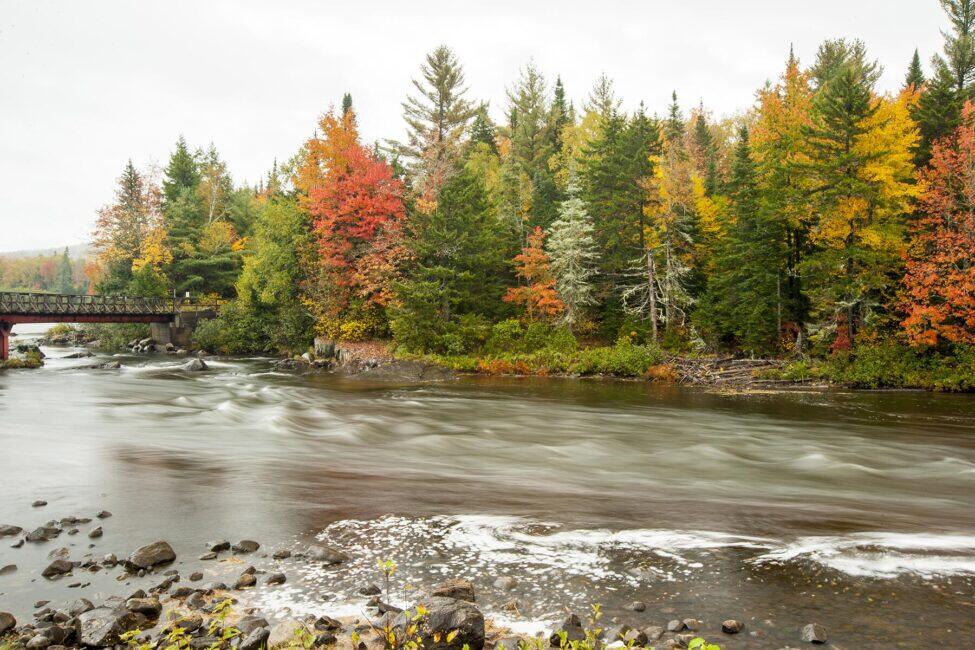
Rock Creek, MT
East of Missoula, Montana, the 52-mile-long Rock Creek isn’t just one of the best trout fishing spots in the United States—it ranks among the top four or five in the world. The reason? An unbelievable variety of fish, including westslope cutthroat trout, cutbow trout, and bull trout, along with Arctic grayling and Rocky Mountain whitefish. And then, of course, there’s that Rocky Mountain scenery. Most of the creek runs through Lolo National Forest, so there’s plenty of easy access from the road, as well as cabins where you can bunk down for the night. Several miles are on private property at the Ranch at Rock Creek, a luxury getaway for those who don’t fancy roughing it.
Top Picks for You


Recommended Fodor’s Video
Henry’s Fork, ID
It’s around five hours to Henry’s Fork, one of the most hallowed fishing spots in Idaho, but the pilgrimage is worth it. The uppermost peaks of the Grand Tetons come into view as you float along this 150-mile-long tributary to the even larger Snake River. The scenery is spectacular, bordered on three sides by craggy peaks rising more than 10,000 feet. Anglers have different opinions on the matter, but the glassy waters running through Harriman State Park are often regarded as the finest stretch of the river. That’s not to say it’s easy—these wild rainbows are used to flies and can be extraordinarily picky. One of the most respected local outfitters is TroutHunter, located in the community of Last Chance, Idaho. You can opt to stay in the rustic lodge here, or splurge on more luxurious accommodations at Henry’s Fork Lodge.
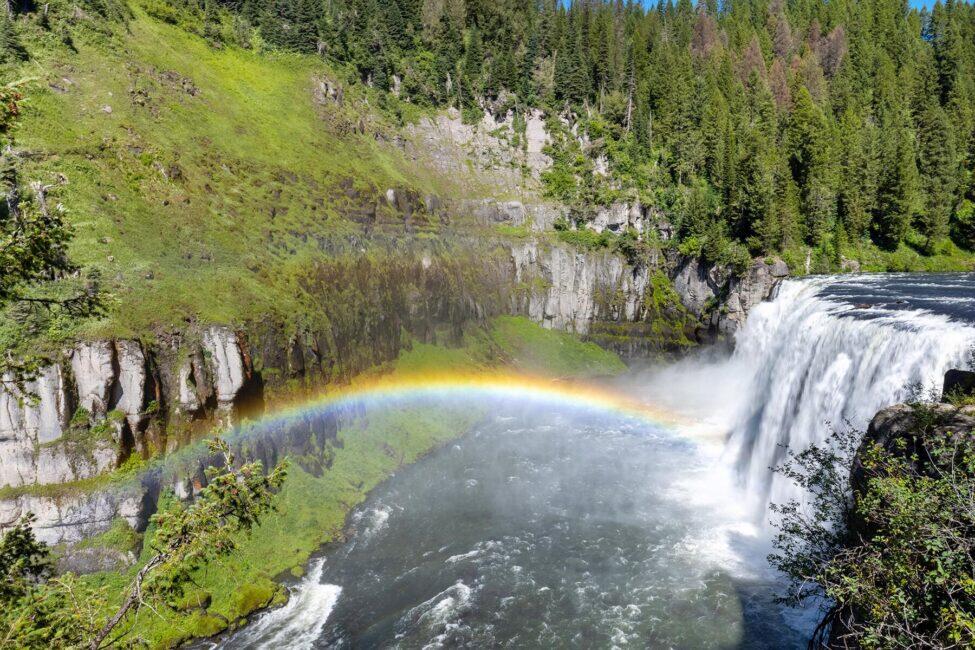
Flat Creek, WY
Two hours south of Henry’s Fork, Flat Creek meanders through the waving grasses of the National Elk Refuge. It feels remote and undiscovered, but the bustling tourist town of Jackson is within easy driving distance. The season here is intentionally cut short—just August to October—which means that these waters aren’t overfished. That doesn’t mean the fishing is easy, and even the shadow of an overanxious angler can spook the fish. Even experts go away empty-handed. But if you’re lucky, you’ll snag the elusive Snake River fine-spotted cutthroat trout. Jackson’s Reel Deal offers day trips to this unmissable destination.
One Week: The Northeast
This trip, which takes you through some of the best mountain scenery in the Northeast, begins in New York City. Before you know it, you’re driving through hilly terrain crisscrossed by rivers and creeks. Look up: this is one of the best places to spot bald eagles.
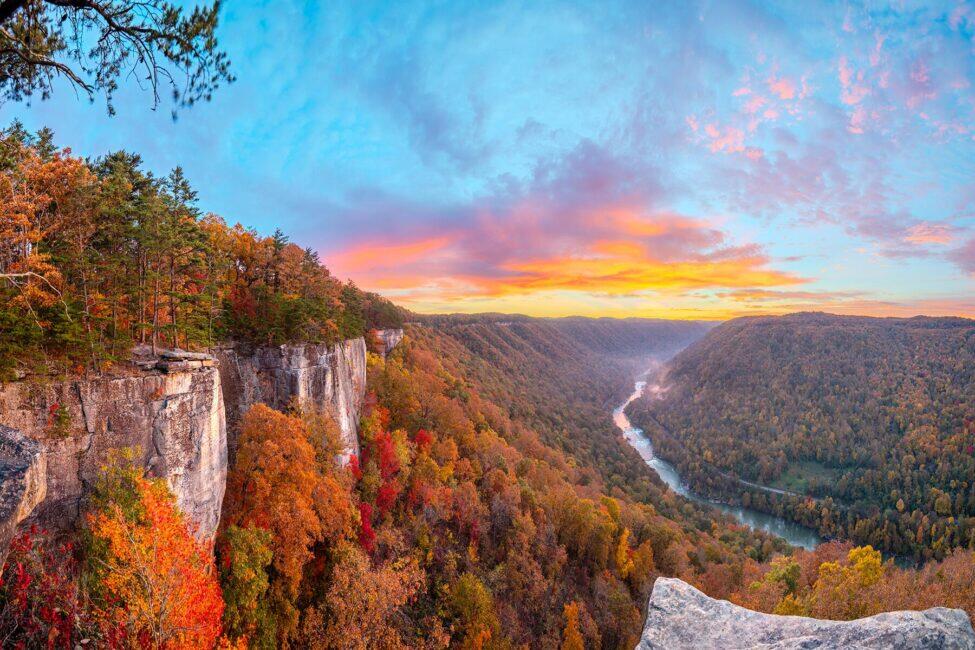
Willowemoc Creek, NY
Start out in the place where American fly-fishing began to flourish back in the 1870s: in the Catskill Mountains, an easy two-hour drive from New York City. This 27-mile-long tributary to the Beaverkill River begins in the southern flank of the Beaverkill Range and winds its way though pristine valleys lined with towering hemlock and spruce trees. The official season here is April to November, although some catch-and-release areas are open year-round. The best place to start out, especially for beginners, is the hamlet of Livingston Manor, home to the Catskill Fly Fishing Museum. One of the most experienced local experts is the legendary Joan Wulff, owner of Wulff School of Fly Fishing. The Willowemoc has prodigious amounts of wild brook trout, whose bellies are a vivid orangey-red when they are spawning. These beauties are often on the menu at a nearby inn called the Arnold House, where you can also bed down for the night.
Battenkill River, VT
It’s a 3½-hour drive to the Green Mountains of Vermont, where cold springs bubble up to create this 65-mile-long tributary to the Hudson River. The Battenkill makes southern Vermont one of the favorite fly-fishing destinations on the East Coast. Manchester is the center of the action, partly because of the presence of the outdoors company Orvis, which tests out its new fly-fishing equipment in these waters. Consequently, the wild browns and brookies found here are jokingly called the “most educated trout in all the land.” Orvis runs its own one- and two-day fly-fishing schools for those who are new to the sport or want to brush up their skills. The American Museum of Fly Fish is also located in Manchester, cementing its reputation.
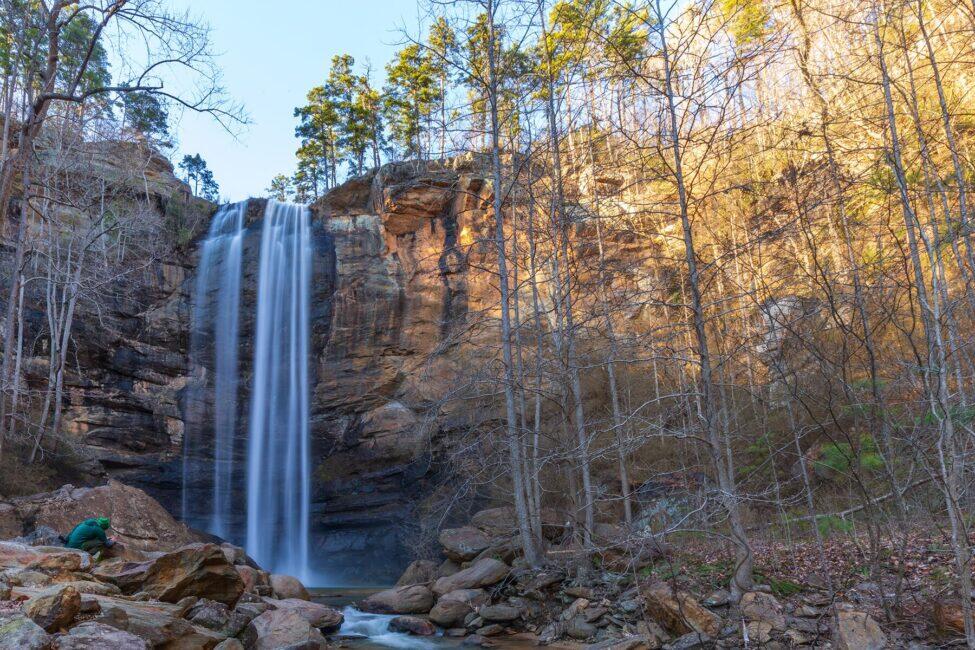
Androscoggin River, NH
It’s another 3½ hours to Berlin, New Hampshire, one of the popular fly-fishing spots on the Androscoggin River. Once polluted by the paper mills set along its shores, these wide, gentle waters are now one of the premier float fishing destinations in the Northeast. The river starts at Lake Umbagog and runs for more than 125 miles, including 53 miles in New Hampshire, before emptying out into the Gulf of Maine. Rainbow, brown, and brook trout are common in the swirling eddies, but so are more unusual catches like landlocked Atlantic salmon. At the height of summer, anglers head to the warm waters for largemouth and smallmouth bass. New Hampshire has a long season compared with many nearby states, extending from January to mid-October.
One Week: The Southeast
This region isn’t necessarily known for fly-fishing, and that’s not a bad thing. Rivers and creeks here are generally less crowded than other better-known destinations.
Toccoa River, GA
Among the best trout streams in the South, the Toccoa River empties into lovely Lake Blue Ridge, a 3,300-acre reservoir formed by the Blue Ridge Dam. Below the dam, the water is cold enough to provide year-round fishing. Most of the rainbow and brown trout found in these waters are about a foot long, but trophy fish measuring twice that are not uncommon. There are limited access points if you’re fishing from the shore, and these can get crowded in high season. Your best bet is to fish from a drift boat, where you’ll probably have a section of the river to yourself. Arrange a trip with a local outfitter like Reel Em In, based in Ellijay. They offer trips on both the upper and lower sections of the river. There are several nice B&Bs in the area, including the Ellijay River House.
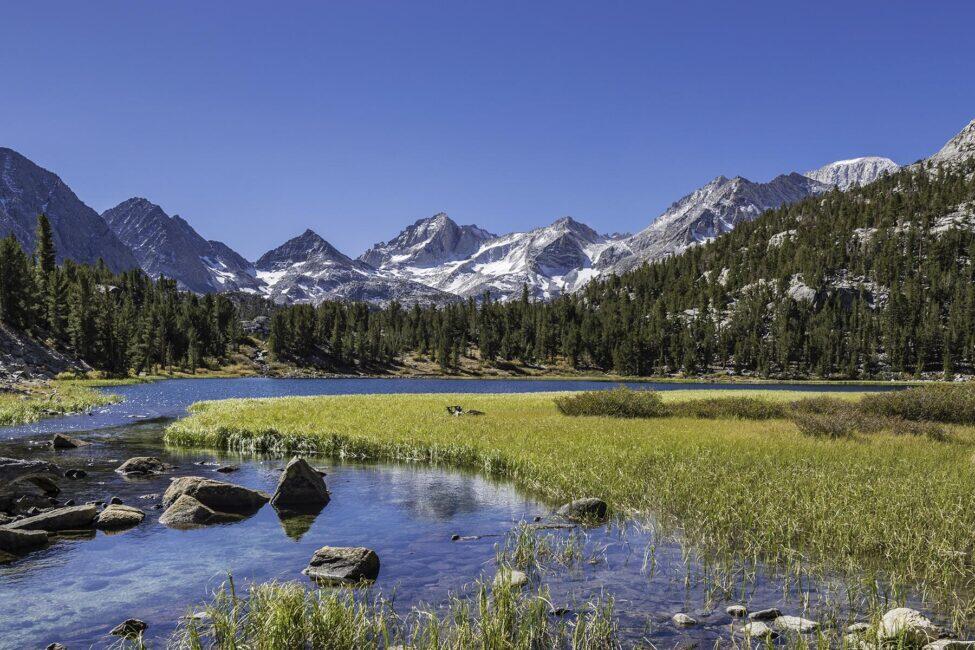
Cataloochee Creek, NC
A little over three hours north is Cataloochee Creek, bordered by the 6,000-foot peaks of the Balsam Range. It’s in a section of Great Smoky Mountains National Park that’s so remote locals refer to it as the “Forgotten Far East.” The logging industry decided that getting here wasn’t worth the effort, so the old-growth forests are something to see. Be on the lookout for elk, which are common in the valleys. Because of the effort it takes to get here, it’s unlikely you’ll encounter crowds. The Cataloochie only runs for seven miles before it ends at Waterville Lake, but don’t underestimate this fly-fishing destination. You’ll catch good-sized rainbow, brown, and brook trout, and if you venture below the Route 284 Bridge you’ll encounter smallmouth bass. Tuckaseegee Fly Shop, in the town of Sylva, can set you up.
Gauley River, WV
Clocking in at more than six hours, it’s a serious drive to reach Gauley River National Recreation Area. It’s worth the effort, as many anglers rank this among the best fly-fishing destinations in the world. This is a wild river, with several Class V rapids that make it a challenge for even seasoned whitewater rafting enthusiasts. It runs through dramatic gorges—similar to those at the nearby New River Gorge National Park—that make it a gorgeous spot. The catch here is incredibly varied, including walleye and smallmouth bass. Pro River Outfitters offers custom-designed trips on the river. When it’s time to put away your rod and reel, bed down in a cabin from River Expeditions.
Tips
These itineraries are all doable in a week, but you might want to budget a little more time to navigate the wide-open spaces in between. All these areas are incredibly scenic, and you might find yourself frequently sidetracked by the jaw-dropping views.
It’s advisable to book a guide, especially in Big Sky Country. Not only will they get you to the water faster, they also know plenty of different rivers and creeks if the fish aren’t biting that day.
Local outfitters can set you up with everything you need for a day on the water, so there’s usually no need to pack those hip-waders.