1563 Best Sights in California, USA

Background Illustration for Sights

We've compiled the best of the best in California - browse our top choices for the top things to see or do during your stay.

Wrigley Memorial and Botanic Garden

Walk 2 miles south of the bay up to Wrigley Memorial and Botanic Garden, home to many plants native only to Southern California and the Channel Islands. Today there are five different sections where you can see Catalina ironwood, wild tomato, and rare Catalina mahogany. The Wrigley family commissioned the garden as well as the monument, which has a grand staircase and a Spanish-style mausoleum inlaid with colorful Catalina tile. You'll find great views at the top.

Anza-Borrego Desert State Park

Fodor's Choice
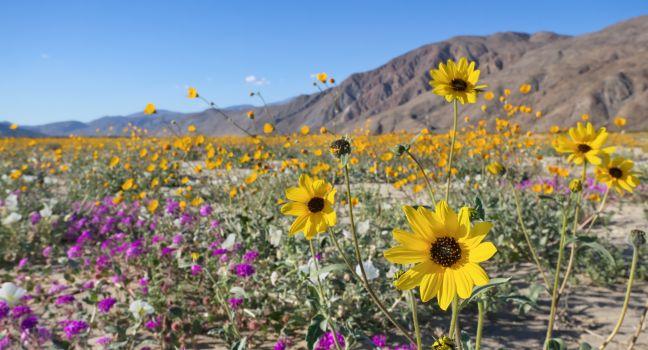
Wildflower blooming in Anza Borrego Desert State Park, California.
sumikophoto / Shutterstock

One of the richest living natural-history museums in the nation, this state park is a vast, nearly uninhabited wilderness where you can step through a field of wildflowers, cool off in a palm-shaded oasis, count zillions of stars in the black night sky, and listen to coyotes howl at dusk. The landscape, largely undisturbed by humans, reveals a rich natural history. There's evidence of a vast inland sea in the piles of oyster beds near Split Mountain and of the power of natural forces such as earthquakes and flash floods. In addition, recent scientific work has confirmed that the Borrego Badlands, with more than 6,000 meters of exposed fossil-bearing sediments, is likely the richest such deposit in North America, telling the story of 7 million years of climate change, upheaval, and prehistoric animals. Evidence has been unearthed of saber-toothed cats, flamingos, zebras, and the largest flying bird in the northern hemisphere beneath the now-parched sand. Today the desert's most treasured inhabitants are the herds of elusive and endangered native bighorn sheep, or borrego, for which the park is named. Among the strange desert plants you may observe are the gnarly elephant trees. As these are endangered, rangers don't encourage visitors to seek out the secluded grove at Fish Creek, but there are a few examples at the visitor center garden. After a wet winter you can see a short-lived but stunning display of cacti, succulents, and desert wildflowers in bloom.

The park is unusually accessible to visitors. Admission to the park is free, and few areas are off-limits. There are two developed campgrounds, but you can camp anywhere; just follow the trails and pitch a tent wherever you like. There are more than 500 miles of dirt roads, two huge wilderness areas, and 110 miles of riding and hiking trails. Many sites can be seen from paved roads, but some require driving on dirt roads, for which rangers recommend you use a four-wheel-drive vehicle. When you do leave the pavement, carry the appropriate supplies: a cell phone (which may be unreliable in some areas), a shovel and other tools, flares, blankets, and plenty of water. The canyons are susceptible to flash flooding, so inquire about weather conditions (even on sunny days) before entering.

Borrego resorts, restaurants, and the state park have Wi-Fi, but the service is spotty at best. If you need to talk to someone in the area, it's best to find a phone with a landline.

Stop by the visitor center to get oriented, to pick up a park map, and to learn about weather, road, and wildlife conditions. Designed to keep cool during the desert's blazing-hot summers, the center is built underground, beneath a demonstration desert garden containing examples of most of the native flora and a little pupfish pond. Displays inside the center illustrate the natural history of the area. Picnic tables are scattered throughout, making this a good place to linger and enjoy the view.

The sites and hikes listed below are arranged by region of the park and distance from the visitor center: in the valley and hills surrounding Borrego Springs, near Tamarisk Campground, along Highway S2, south of Scissors Crossing, and south of Ocotillo Wells.

A 1½-mile trail leads to Borrego Palm Canyon, one of the few native palm groves in North America. The canyon, about 1 mile west of the visitor center, holds a grove of more than 1,000 native fan palms, a stream, and a waterfall. Wildlife is abundant along this route. This moderate hike is the most popular in the park.

With a year-round stream and lush plant life, Coyote Canyon, approximately 4½ miles north of Borrego Springs, is one of the best places to see and photograph spring wildflowers. Portions of the canyon road follow a section of the old Anza Trail. This area is closed between June 15 and September 15 to allow native bighorn sheep undisturbed use of the water. The dirt road that gives access to the canyon may be sandy enough to require a four-wheel-drive vehicle.

The late-afternoon vista of the Borrego badlands from Font's Point, 13 miles east of Borrego Springs, is one of the most breathtaking views in the desert, especially when the setting sun casts a golden glow in high relief on the eroded mountain slopes. The road from the Font's Point turnoff can be rough enough to make using a four-wheel-drive vehicle advisable; inquire about road conditions at the visitor center before starting out. Even if you can't make it out on the paved road, you can see some of the view from the highway.

East of Tamarisk Grove campground (13 miles south of Borrego Springs), the Narrows Earth Trail is a short walk off the road. Along the way you can see evidence of the many geologic processes involved in forming the canyons of the desert, such as a contact zone between two earthquake faults, and sedimentary layers of metamorphic and igneous rock.

The 1.6-mile round-trip Yaqui Well Nature Trail takes you along a path to a desert water hole where birds and wildlife are abundant. It's also a good place to look for wildflowers in spring. At the trailhead across from Tamarisk Campground you can pick up a brochure describing what can be seen along the trail.

Traversing a boulder-strewn trail is the easy, mostly flat Pictograph/Smuggler's Canyon Trail. At the end is a collection of rocks covered with muted red and yellow pictographs painted within the last hundred years or so by Native Americans. Walk about ½ mile beyond the pictures to reach Smuggler's Canyon, where an overlook provides views of the Vallecito Valley. The hike, from 2 to 3 miles round-trip, begins in Blair Valley, 6 miles southeast of Highway 78, off Highway S2, at the Scissors Crossing intersection.

Just a few steps off the paved road, Carrizo Badlands Overlook offers a view of eroded and twisted sedimentary rock that obscures the fossils of the mastodons, saber-tooths, zebras, and camels that roamed this region a million years ago. The route to the overlook through Earthquake Valley and Blair Valley parallels the Southern Emigrant Trail. It's off Highway S2, 40 miles south of Scissors Crossing.

Geology students from all over the world visit the Fish Creek area of Anza-Borrego to explore the canyon through Split Mountain. The narrow gorge with 600-foot walls was formed by an ancient stream. Fossils in this area indicate that a sea once covered the desert floor. From Highway 78 at Ocotillo Wells, take Split Mountain Road south 9 miles.

200 Palm Canyon Dr., Borrego Springs, CA, 92004, USA
760-767–4205
Sight Details
Free; day-use parking in campground areas $10
Park daily dawn–dusk. Visitor Center Oct.–May 1, daily 9–5
Make a campground reservation at: reservecalifornia.com

Something incorrect in this review?

Asian Art Museum

Civic Center Fodor's Choice
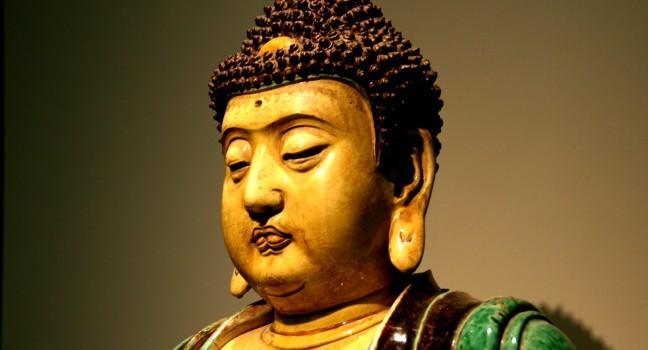
Esocentric Buddha, Asian Art Museum, San Francisco, CA
Esocentric Buddha by

You don't have to be a connoisseur of Asian art to appreciate the expansive museum, whose monumental exterior conceals a light, open, and welcoming space. The fraction of the museum's collection on display (about 2,500 pieces out of 18,000-plus total) is laid out thematically and by region, making it easy to follow historical developments.

Begin on the third floor, where highlights of Buddhist art in Southeast Asia and early China include a large, jewel-encrusted, exquisitely painted 19th-century Burmese Buddha and clothed rod puppets from Java. On the second floor you can find later Chinese works, as well as exquisite pieces from Korea and Japan. The ground floor is devoted to temporary exhibits and the museum's wonderful gift shop. During spring and summer, visit on Thursday evenings for extended programs and sip drinks while a DJ spins tunes.

200 Larkin St., San Francisco, CA, 94102, USA
415-581–3500
Sight Details
$20, free 1st Sun. of month
Closed Tues. and Wed.

Something incorrect in this review?

Recommended Fodor's Video

Botanical Building

Balboa Park Fodor's Choice
Botanical Building in Balboa Park.
Steve Minkler / Shutterstock

Open once again following a years long revitalization project, the Botanical Building has updated features like LED lighting, water features, and interior misters. The graceful redwood-lath structure, built for the 1915 Panama–California International Exposition, houses more than 2,000 types of tropical and subtropical plants plus changing seasonal flower displays. Ceiling-high tree ferns shade fragile orchids and feathery bamboo. The rectangular pond outside, filled with lotuses and water lilies that bloom in spring and fall, is popular with photographers.

Castro Theatre

Castro Fodor's Choice
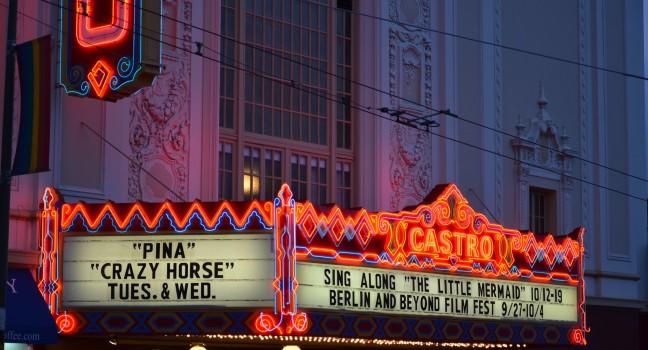
Title Box, Castro Theatre, San Francisco, California, USA
Castro Theatre by Steve Rhodes

Here's a classic way to join in a beloved Castro tradition: grab some popcorn and catch a flick at this 1,500-seat art-deco theater built in 1922, the grandest of San Francisco's few remaining movie palaces. The neon marquee, which stands at the top of the Castro strip, is the neighborhood's great landmark. The Castro was the fitting host of 2008's red-carpet preview of Gus Van Sant's film Milk, starring Sean Penn as openly gay San Francisco supervisor Harvey Milk. The theater's elaborate Spanish baroque interior is fairly well preserved. Before many shows, the theater's pipe organ rises from the orchestra pit and an organist plays pop and movie tunes, usually ending with the Jeanette MacDonald standard "San Francisco" (go ahead, sing along). The crowd can be enthusiastic and vocal, talking back to the screen as loudly as it talks to them.  The theater was under renovation until late 2025, which may change the nature of its availability. Check online for updates before planning your trip. 

City Lights Bookstore

Fodor's Choice
SAN FRANCISCO, US - OCTOBER, 19: City Lights Bookstore on October 19, 2011 in San Francisco. This independent bookstore-publisher, official historic landmark, published the poem Howl of Allen Ginsberg
nito / Shutterstock

The exterior of this famous bookstore is iconic in itself, from the replica of a revolutionary mural destroyed in Chiapas, Mexico, by military forces to the art banners hanging above the windows. Designated a landmark by the city, the hangout of Beat-era writers and independent publishers remains a vital part of San Francisco's literary scene. Browse the three levels of poetry, philosophy, politics, fiction, history, and local zines to the beat of creaking wood floors.

Back in the day, writers like Allen Ginsberg and Jack Kerouac would read here (and even receive mail in the basement). The late poet Lawrence Ferlinghetti, who cofounded City Lights in 1953, cemented its place in history by publishing Ginsberg's Howl and Other Poems in 1956. The small volume was ignored in the mainstream—until Ferlinghetti and the bookstore manager were arrested for obscenity and corruption of youth. In the landmark First Amendment trial that followed, the judge exonerated both men. Howl went on to become a classic.

Stroll Kerouac Alley, branching off Columbus Avenue next to City Lights, to read quotes from Ferlinghetti, Maya Angelou, Confucius, John Steinbeck, and the street's namesake embedded in the pavement.

Emerald Bay State Park

Fodor's Choice
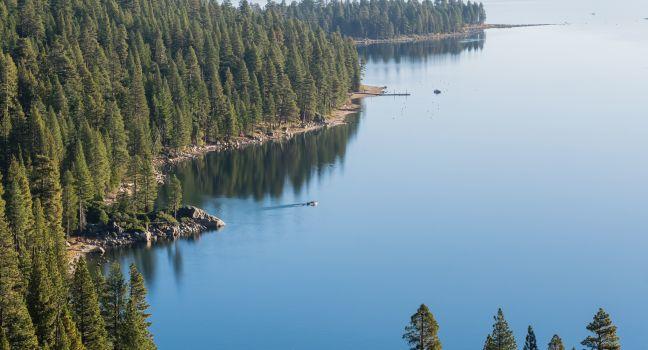
Emerald Bay, Photos Taken in Lake Tahoe Area
Kit Leong / Shutterstock

Millions of years ago, a massive glacier carved this 3-mile-long and 1-mile-wide fjord-like inlet. Famed for its jewel-like shape and colors, the bay surrounds Fannette, Lake Tahoe's only island. Highway 89 curves high above the lake here; from the Emerald Bay lookout, the park's centerpiece, you can survey the whole scene. The bay is one of Lake Tahoe's don't-miss views. The light is best in mid- to late morning, when the bay's colors pop.

Getty Villa Museum

Pacific Palisades Fodor's Choice
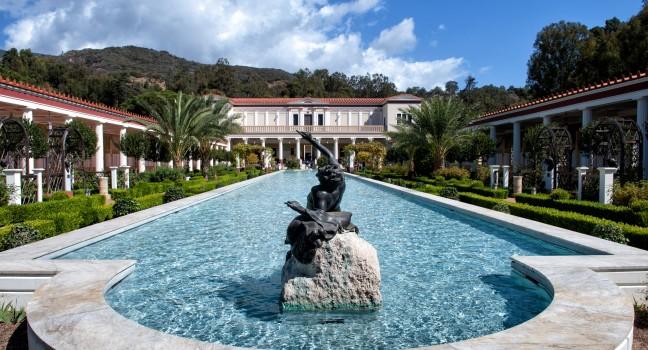
LOS ANGELES, USA - OCTOBER 4: The famous Getty Villa on October 4, 2009 in Los Angeles. The design of the Getty Villa was inspired by blueprints of the ancient Villa of the Papyri at Herculaneum.;
Rolf_52/Shutterstock

Feeding off the cultures of ancient Rome, Greece, and Etruria, the Getty Villa exhibits astounding antiquities, though on a first visit even they take a back seat to their environment. This megamansion sits on some of the most valuable coastal property in the world. Modeled after the Villa dei Papiri in Herculaneum, a Roman estate owned by Julius Caesar's father-in-law that was covered in ash when Mt. Vesuvius erupted, the Getty Villa includes beautifully manicured gardens, reflecting pools, and statuary. The structures blend thoughtfully into the rolling terrain and significantly improve the public spaces, such as the outdoor amphitheater, gift store, café, and entry arcade. Talks, concerts, and educational programs are offered at an indoor theater.

An advance timed-entry ticket is required for admission. Tickets are free and may be ordered from the museum's website or by phone.

17985 Pacific Coast Hwy., Los Angeles, CA, 90272, USA
310-440–7300
Sight Details
Free, tickets required; parking $25
Closed Tues.

Something incorrect in this review?

Golden Gate Bridge

Presidio Fodor's Choice
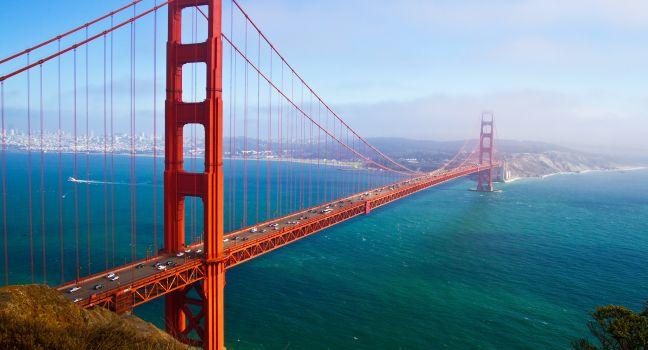
Golden Gate, San Francisco, California, USA.
Pal Teravagimov / Shutterstock

Instantly recognizable as an icon of San Francisco, the two reddish-orange towers of the majestic Golden Gate Bridge rise 750 feet over the Golden Gate strait at the mouth of San Francisco Bay, linking the city and Marin County. With its simple but powerful art-deco design, the 1.7-mile suspension span was built to withstand winds of more than 100 mph. It's also not a bad place to be in an earthquake: designed to sway almost 28 feet, the Golden Gate Bridge (unlike the Bay Bridge) was undamaged by the 1989 Loma Prieta quake. If you're walking on the bridge when it's windy, stand still and you can feel it swaying a bit.

Crossing the Golden Gate Bridge under your own power is exhilarating—a little scary, and definitely chilly. From the bridge's eastern-side walkway, the only side pedestrians are allowed on, you can take in the San Francisco skyline and the bay islands; look west for the wild hills of the Marin Headlands, the curving coast south to Lands End, and the Pacific Ocean. On sunny days, sailboats dot the water and brave windsurfers test the often-treacherous tides beneath the bridge. A vista point on the Marin County side provides a spectacular city panorama.

A structural engineer, dreamer, and poet named Joseph Strauss worked tirelessly for 20 years to make the bridge a reality, first promoting the idea of it and then overseeing design and construction. Though the final structure bore little resemblance to his original plan, Strauss guarded his legacy jealously, refusing to recognize the seminal contributions of engineer Charles Ellis. In 2007, the Golden Gate Bridge district finally recognized Ellis's role, though Strauss, who died less than a year after the bridge's opening day in 1937, would doubtless be pleased with the inscription on his statue, which stands sentry in the southern parking lot: "The Man Who Built the Bridge."

At the outdoor exhibits near the bridge's Welcome Center, you can learn about the features that make it art deco and read about the personalities behind its design and construction. For some pre– or post–bridge walk fuel, there is an Equator Coffees café in the historic Round House at the visitor's plaza. City Guides ( sfcityguides.org) offers free walking tours of the bridge every Thursday and Sunday at 11 am.

Grand Central Market

Downtown Fodor's Choice
LOS ANGELES, JANUARY 13 : Grand Central Market between Broadway & Hill Streets Downtown, serving Angelenos with fresh prepared foods since 1917 on JANUARY 13, 2012; Shutterstock ID 132415979; Project/Title: World’s Best Cities for Food
a katz / Shutterstock

With options that include handmade white-corn tamales, warm olive bread, dried figs, Mexican fruit drinks, and much more, this mouthwatering gathering place is the city's largest and most active food market. The spot bustles nonstop with locals and visitors surveying the butcher shop's display of everything from lambs' heads to pigs' tails. Produce stalls are piled high with locally grown avocados and heirloom tomatoes. Stop by Chiles Secos at stall No. 30 for a remarkable selection of rare chilies and spices; Ramen Hood at No. 23, for sumptuous vegan noodles and broth; or Sticky Rice at stall No. 24, for fantastic Thai-style chicken. Even if you don't plan on buying anything, it's a great place to browse and people-watch.

Griffith Observatory

Los Feliz Fodor's Choice
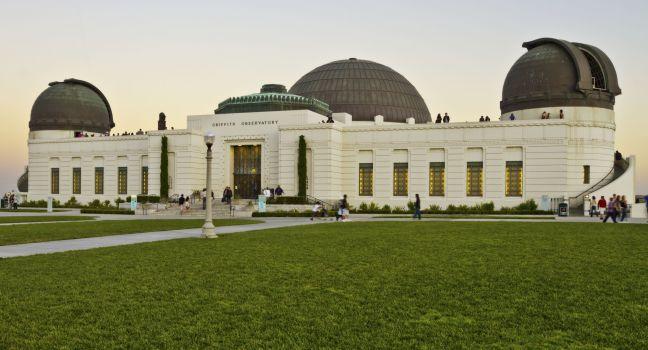
Los Angeles, USA - June 24, 2011: The world-renown Griffith Observatory at the top of the mountain in Griffith Park in Los Angeles.
Merkuri2 | Dreamstime.com

Most visitors barely skim the surface of this gorgeous spot in the Santa Monica Mountains, but those in the know will tell you there’s more to the Griffith Observatory than its sweeping views and stunning Greek Revival architecture. The magnificence of the cosmos and humankind's ingenuity to explore the deepest depths of the universe are in the spotlight here, with its space-focused exhibits, free public telescopes, and shows at the Leonard Nimoy Event Horizon Theater and the Samuel Oschin Planetarium. For visitors who are looking to get up close and personal with the cosmos, monthly star-viewing parties with local amateur astronomers are also on hand. For a fantastic view, come at sunset to watch the sky turn fiery shades of red with the city's skyline silhouetted.

Hearst Castle

Fodor's Choice
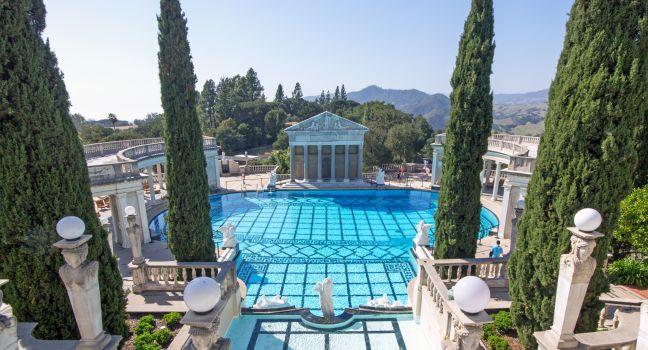
SAN SIMEON, CA, USA April 15, 2013 Hearst Castle grounds, view of the Neptune pool with large Italian cypress and marble inlay tile patio.
Aimee M Lee / Shutterstock

Officially known as Hearst San Simeon State Historical Monument, Hearst Castle sits in solitary splendor atop La Cuesta Encantada (the Enchanted Hill). Its buildings and gardens spread over 127 acres that were the heart of newspaper magnate William Randolph Hearst's 250,000-acre ranch. Hearst commissioned renowned California architect Julia Morgan to design the estate, but he was very much involved with the final product, a blend of Italian, Spanish, and Moorish styles. The 115-room main structure and three huge "cottages" are connected by terraces and staircases and surrounded by pools, gardens, and statuary. In its heyday the castle, whose buildings hold about 22,000 works of fine and decorative art, was a playground for Hearst and his guests—Hollywood celebrities, political leaders, scientists, and other well-known figures. Construction began in 1919 and was never officially completed. Work was halted in 1947 when Hearst had to leave San Simeon because of failing health. The Hearst Corporation donated the property to the State of California in 1958, and it is now part of the state park system.

Access to the castle is through the visitor center at the foot of the hill, where you can view educational exhibits and a 40-minute film about Hearst's life and the castle's construction. Buses from the center zigzag up to the hilltop estate, where guides conduct several daytime tours, each with a different focus: Grand Rooms, Upstairs Suites, Designing the Dream, Cottages and Kitchen, Julia Morgan, Art of San Simeon, Hearst and Hollywood. These tours take about three hours and include a movie screening and time at the end to explore the castle's exterior and gardens. In spring and fall, docents in period costume portray Hearst's guests and staff for the Evening Tour, which begins around sunset. Reservations are recommended for all tours, which include a ½-mile walk and between 150 and 400 stairs.  Be sure to check the website in advance of your visit for any updates.

Heavenly Gondola

Fodor's Choice
Gondolas in Lake Tahoe, California
Karin Hildebrand Lau / Shutterstock

Whether you ski or not, you'll appreciate the impressive view of Lake Tahoe from the Heavenly Gondola. Its eight-passenger cars travel from Heavenly Village 2.4 miles up the mountain in 15–20 minutes. When the weather's fine, you can hike around the mountaintop and have lunch at Tamarack Lodge. The thrilling gravity-powered Ridge Rider alpine roller coaster, which zips past boulders and trees, closed in 2023 because of snow damage but was expected to reopen in 2024.

4080 Lake Tahoe Blvd., South Lake Tahoe, CA, 96150, USA
775-586–7000
Sight Details
From $74 in summer
Check website for seasonal and other closures

Something incorrect in this review?

Highway 1

Fodor's Choice
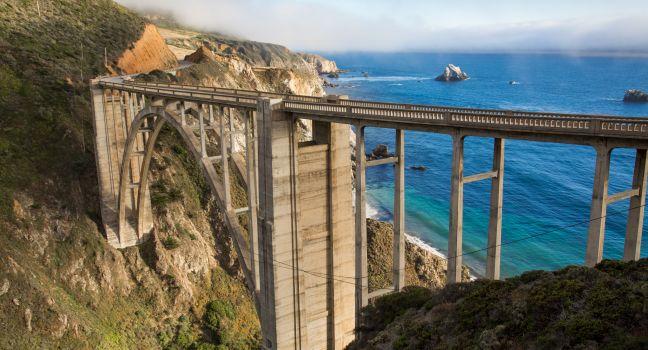
Bixby Bridge, California
topseller / Shutterstock

One of California's most spectacular drives snakes up the coast north of San Simeon. Numerous pullouts offer tremendous views and photo ops. On some beaches, huge elephant seals lounge nonchalantly, seemingly oblivious to the attention of rubberneckers. Heavy rain can cause mudslides that block the highway north and south of Big Sur, so sections of the route are sometimes closed for repairs or general maintenance. Before traveling, visit bigsurcalifornia.org and click on the Highway 1 Conditions and Information link.

Hollywood Museum

Hollywood Fodor's Choice
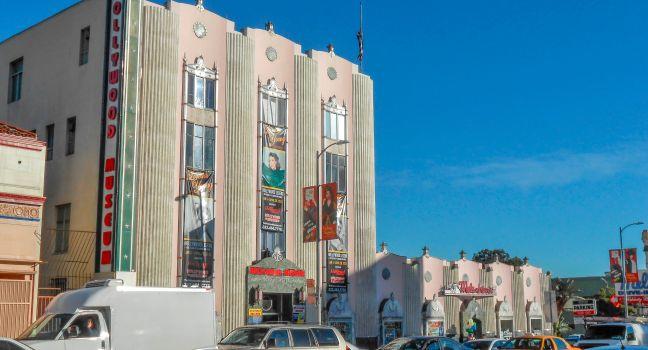
LOS ANGELES, USA - FEBRUARY 01, 2013: View of Hollywood Museum in Los Angeles California; Shutterstock ID 188777012; Project/Title: Top 100; Downloader: Fodor's Travel
alarico / Shutterstock

Don’t let its over-the-top marble facade turn you off: the Hollywood Museum, nestled at the busy intersection of Hollywood and Highland, is worth it, especially for film aficionados. A museum deserving of its name, it boasts an impressive collection of exhibits from the moviemaking world, spanning several film genres and eras. Start in its pink, original art deco lobby where the Max Factor exhibit pays tribute to the cosmetics company’s pivotal role in Hollywood, make your way to the dark basement, where the industry’s penchant for the macabre is on full display, and wrap up your visit by admiring Hollywood’s most famous costumes and set props on the top floor.

Hollywood Sign

Hollywood Fodor's Choice
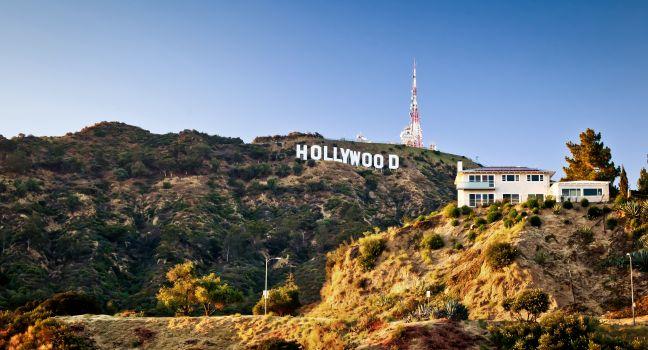
LOS ANGELES, USA - JULY 18: View of Hollywood sign on July 18, 2011 in Los Angeles, California. Sign is located in the Hollywood hills area of Mount Lee, built in 1923.
Bayda127 | Dreamstime.com

With letters 50 feet tall, Hollywood's trademark sign can be spotted from miles away. The icon, which originally read "Hollywoodland," was erected in the Hollywood Hills in 1923 to advertise a new housing development and was outfitted with 4,000 light bulbs. In 1949 the "land" portion of the sign was taken down. By 1973 the sign had earned landmark status, but because the letters were made of wood, its longevity came into question. A makeover project was launched and the letters were auctioned off (rocker Alice Cooper bought an "O" and singing cowboy Gene Autry sponsored an "L") to make way for a new sign made of steel. Inevitably, the sign has drawn pranksters who have altered it over the years, albeit temporarily, to spell out "Hollyweed" (in the 1970s, to push for more lenient marijuana laws), "Go Navy" (before a Rose Bowl game), and "Perotwood" (during businessman Ross Perot's 1992 presidential bid). A fence and surveillance equipment have since been installed to deter intruders, but another vandal managed to pull the "Hollyweed" prank once again in 2017 after Californians voted to make recreational use of marijuana legal statewide. And while it's still very illegal to get anywhere near the sign, several area hikes will get you as close as possible for some photo ops; you can hike just over six miles up behind the sign via the Brush Canyon trail for epic views, especially at sunset.  Use caution if driving in the hills below the sign on residential streets; many cars speed around the blind corners. Some streets have restricted parking to deter visitors.

Ina Coolbrith Park

Russian Hill Fodor's Choice
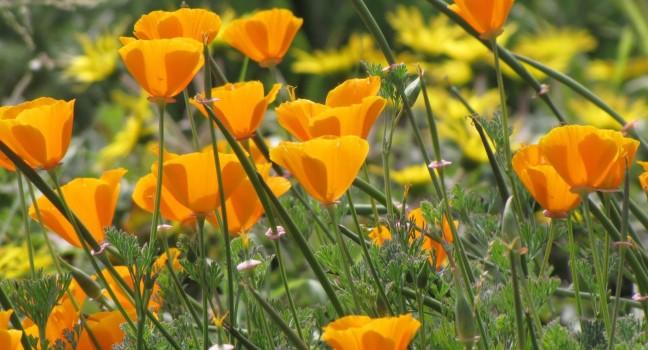
California Poppies. In Ina Coolbrith Park in San Francisco
California Poppies by Karen Brockney

If you make it all the way up here, you may have the place all to yourself, or at least feel like you do. The park's terraces are carved from a hill so steep that it's difficult to see if anyone else is there or not. Locals love this park because it feels like a secret—one of the city's magical hidden gardens, with a meditative setting and spectacular views of the bay peeking out from among the trees. A poet, Oakland librarian, and niece of Mormon prophet Joseph Smith, Ina Coolbrith introduced Jack London and Isadora Duncan to the world of books. For years she entertained literary greats in her Macondray Lane home near the park. In 1915 she was named poet laureate of California.

Indian Canyons

Fodor's Choice
Murray Canyon, with indigenous palms in Palm Canyon, Palm Springs, California, home of Cahuilla peoples
Joseph Sohm / Shutterstock

The Indian Canyons are the ancestral home of the Agua Caliente Band of Cahuilla Indians. While hiking three canyons open to the public, you can see remnants of their ancient life, including rock art, house pits and foundations, irrigation ditches, dams, and food-preparation areas. Trails vary in length from 1.2 to 4.7 miles long, are classified as easy or moderate, and are lined with palm oases, waterfalls, rock formations, and, in spring, wildflowers. Tree-shaded picnic areas are abundant.

The Trading Post at the entrance to Palm Canyon, noted for its stand of Washingtonia palms, has trail maps and refreshments as well as Native American crafts. Endangered Peninsular Bighorn Sheep call Murray Canyon home. Fan palms and tall willows contrast with strange rock formations in Andreas Canyon. Ranger-led hikes and talks are included with paid admission, but only they occur from October through June. Note that no animals are allowed. While exploring the canyons, remember you are a guest amid the still-sacred tribal lands.

Legion of Honor

Richmond Fodor's Choice
California Palace of the Legion of Honor.
Andrew Zarivny / Shutterstock

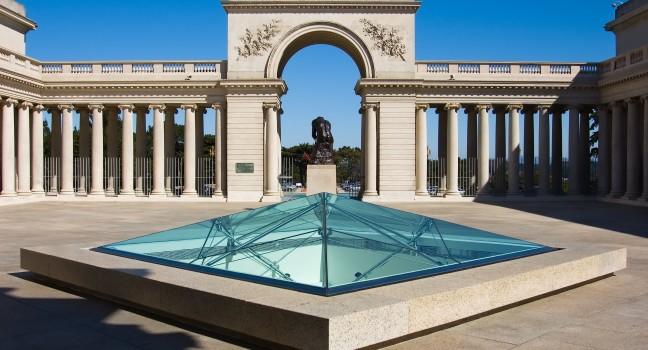
Built to commemorate soldiers from California who died in World War I and set atop cliffs overlooking the ocean, the Golden Gate Bridge, and the Marin Headlands, this beautiful Beaux Arts building in Lincoln Park displays an impressive collection of 4,000 years of ancient and European art. A pyramidal glass skylight in the entrance court illuminates the lower-level galleries, which exhibit prints and drawings, European porcelain, and ancient Assyrian, Greek, Roman, and Egyptian art. The 20-plus galleries on the upper level display European art (paintings, sculpture, decorative arts, and tapestries) from the 14th century to the present day. The Auguste Rodin collection includes two galleries devoted to the master and a third with works by Rodin and other 19th-century sculptors. An original cast of Rodin's The Thinker welcomes you as you walk through the courtyard. Also impressive is the 4,526-pipe Spreckels Organ; live concerts take advantage of the natural sound chamber produced by the building's massive rotunda. As fine as the museum is, the setting and view outshine the collection.

100 34th Ave., San Francisco, CA, 94121, USA
415-750–3600
Sight Details
$20, free 1st Tues. of month; free Sat. for Bay Area residents
Closed Mon.

Something incorrect in this review?

Lincoln Park

Richmond Fodor's Choice
Men are golfing in Lincoln park, San Francisco.
(c) Russiangal | Dreamstime.com

Lincoln Park is a wild 275-acre park with windswept cliffs and panoramic views. The Coastal Trail, the park's most dramatic, leads out to Lands End; pick it up west of the Legion of Honor (at the end of El Camino del Mar) or from the parking lot at Point Lobos and El Camino del Mar. Time your hike to hit Mile Rock at low tide, and you might catch a glimpse of two wrecked ships peeking up from their watery graves.

Be careful if you hike here; landslides are frequent, and people have fallen into the sea by standing too close to the edge of a crumbling bluff top.

Lincoln Park's 18-hole golf course ( www.lincolnparkgolfcourse.com) is on land that in the 19th century was the Golden Gate Cemetery. (When digging has to be done in the park, human bones still occasionally surface.) Next door on 33rd Avenue and California Street are the dazzling mosaic Lincoln Park Steps, which rival the 16th Avenue Steps and the Hidden Garden Steps in the Sunset District. They provide a delightful backdrop for contemplation or an Instagram photo op.

The Living Desert Zoo and Gardens

Fodor's Choice
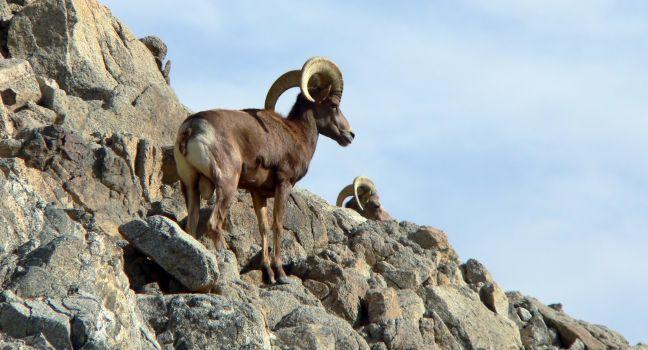
Big Horn Sheep in the Living Desert in Palm Springs California
Bob Reynolds / Shutterstock

Come eye-to-eye with more than 600 animals including desert dwellers like wolves, coyotes, mountain lions, cheetahs, bighorn sheep, golden eagles, warthogs, naked mole rats, and owls at the Living Desert, which showcases the flora and fauna found in arid landscapes. Easy to challenging trails traverse terrain populated with plants of the Mojave, Colorado, and Sonoran deserts. In the African WaTuTu village, you'll find a traditional marketplace, as well as camels, hyenas, and other animals. Wallabies, emus, and kookaburras inhabit the immersive Australian Adventures area.

Get your bearings with a 30-minute shuttle tour. Pet domesticated creatures, including Nigerian dwarf goats, in a "petting kraal," attend zookeeper talks throughout the day. Crawl and climb all over the Gecko Gulch playground, ride a carousel, and check out a hall that holds ancient Pleistocene animal bones.  Time your visit to begin in the early morning to beat the heat and feed the giraffes.

47900 Portola Ave., Palm Desert, CA, 92260, USA
760-346–5694
Sight Details
$35; shuttle tour $15 extra

Something incorrect in this review?

Lombard Street

Russian Hill Fodor's Choice
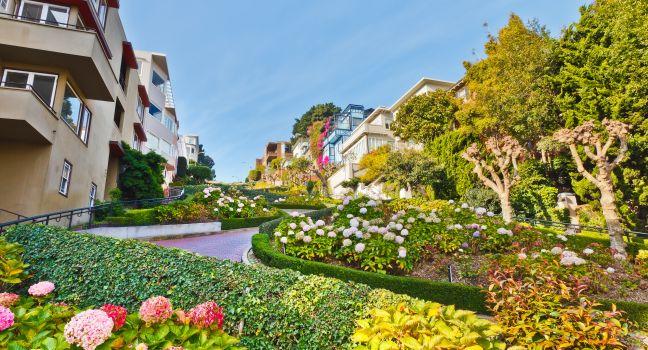
Lombard Street in San Francisco
S.Borisov / Shutterstock

The block-long "Crookedest Street in the World" makes eight switchbacks down the east face of Russian Hill between Hyde and Leavenworth Streets. Join the line of cars waiting to drive down the steep hill, or avoid the whole mess and walk down the steps on either side of Lombard. You take in super views of North Beach and Coit Tower either way—though if you're the one behind the wheel, you'd better keep your eye on the road lest you become yet another of the many folks who ram the garden barriers.  Can't stand the traffic? Thrill seekers of a different stripe may want to head two blocks south of Lombard to Filbert Street. At a gradient of 31.5%, the hair-raising descent between Hyde and Leavenworth streets is one of the city's steepest. Go slowly!

Lombard St. between Hyde and Leavenworth Sts., San Francisco, CA, 94109, USA

Something incorrect in this review?

Macondray Lane

Russian Hill Fodor's Choice
Macondray Lane, San Francisco, California, USA
Macondray Lane by Jeremy Rover

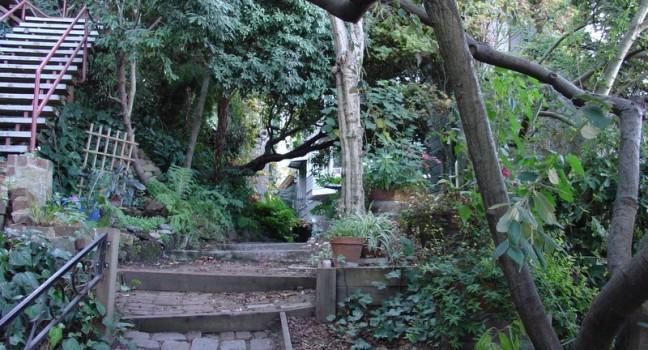
San Francisco has no shortage of impressive, grand homes, but Macondray Lane is the quintessential hidden garden. Enter under a lovely wooden trellis and proceed down a quiet, cobbled pedestrian lane lined with Edwardian cottages and flowering plants and trees. A flight of steep wooden stairs at the end of the lane leads to Taylor Street—on the way down you can't miss the bay views. If you've read any of Armistead Maupin's Tales of the City books, you may find the lane vaguely familiar; it's the thinly disguised setting for parts of the series.

San Francisco, CA, 94133, USA

Something incorrect in this review?

Mission Dolores Park

Fodor's Choice
Dolores Park in San Francisco, looking northeast toward downtown.
(c) Rahurlburt | Dreamstime.com

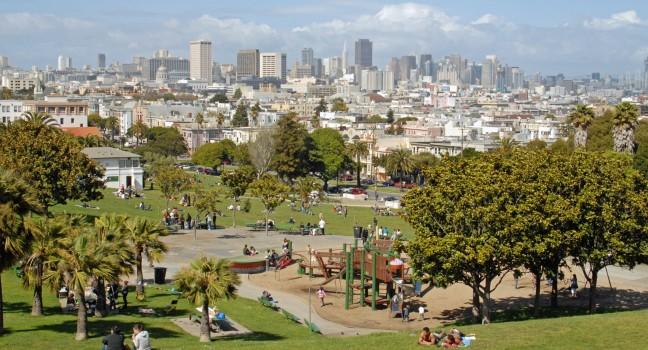
A two-square-block microcosm of life in the district, Mission Dolores Park is one of San Francisco's liveliest green spaces: dog lovers and their pampered pups congregate, kids play at the extravagant playground, and hipsters hold court, drinking beer and rosé cans on sunny days. (Fair warning: if it's over 70°F, the place can get packed like traffic at rush hour for picnic-blanket space.) During the summer, Dolores Park hosts movie nights, performances by the San Francisco Mime Troupe, and pop-up events and impromptu parties. Spend a warm day here—maybe sitting at the top of the park with a view of the city and the Bay Bridge—surrounded by locals and that laid-back, still-abundant San Francisco energy, and you may well find yourself plotting your move to the city. The best views are in the southwest corner, near the historic Golden Fire Hydrant that saved the neighborhood after the 1906 earthquake.

Palace of Fine Arts

Marina Fodor's Choice
The Palace of Fine Arts in San Francisco, California.
Andreykr | Dreamstime.com

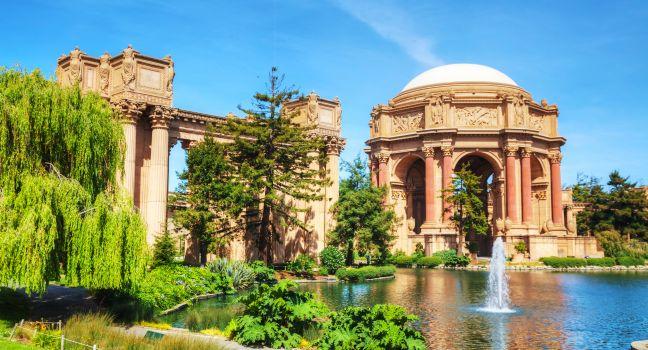
This stunning, rosy rococo palace on a lagoon seems to be from another world—it's the sole survivor of the many tinted-plaster structures (a temporary neoclassical city of sorts) built for the 1915 Panama-Pacific International Exposition, the world's fair that celebrated San Francisco's recovery from the 1906 earthquake and fire. The expo buildings originally extended about a mile along the shore. Bernard Maybeck designed this faux-Roman classic beauty, which was reconstructed in concrete and reopened in 1967.

The pseudo-Latin language adorning the Palace's exterior urns continues to stump scholars. The massive columns (each topped with four "weeping maidens"), great rotunda, and swan-filled lagoon have been used in countless fashion layouts, films, and wedding photo shoots. Other than its use for major events and exhibitions inside the building, it's really an outdoor architecture attraction that's perfect for an hour of strolling and relaxing. After admiring the lagoon, look across the street to the house at 3460 Baker Street. If the statues out front look familiar, they should—they're original casts of the "garland ladies" you can see in the Palace's colonnade.

Palm Springs Aerial Tramway

Fodor's Choice
Palm Springs, California - February 17:View of the Palm Springs Aerial Tram in the San Jacinto Mountain Range, February 17 2015 in Palm Springs, California.
Wollertz / Shutterstock

A trip on the world's largest rotating tram car provides a 360-degree view of the desert as it makes the 2½-mile ascent through Chino Canyon and up to an elevation of 8,516 feet in 10 minutes. On clear days, which are common, the view stretches 75 miles from Mt. San Gorgonio in the north to the Salton Sea in the south. In winter, stepping out into the snow at the top, a bit below Mt. San Jacinto's peak, is a treat. In summer, the summit's much cooler temperature is a welcome respite from punishing lower-elevation heat.

Year-round attractions at Mountain Station include observation decks, two restaurants, a cocktail lounge, a gift shop, picnic facilities, a small natural history museum, and two theaters that screen movies on the attraction's construction and on Mount San Jacinto State Park, which is also on the mountain and has 50 miles of hiking trails. In addition, you can take advantage of free guided weekend nature walks, or rent skis and snowshoes at the Adventure Center.

Ride-and-dine packages are available after 4 pm. To avoid long waits, buy tickets online in advance or arrive 30 minutes before the first car leaves in the morning.

1 Tram Way, Palm Springs, CA, 92262, USA
888-515–8726
Sight Details
From $30
Closed 2 wks in Sept. for maintenance

Something incorrect in this review?

Paramount Pictures

Hollywood Fodor's Choice
Paramount Pictures motion picture studio entrance sign near Hollywood, California
(c) Imdan | Dreamstime.com

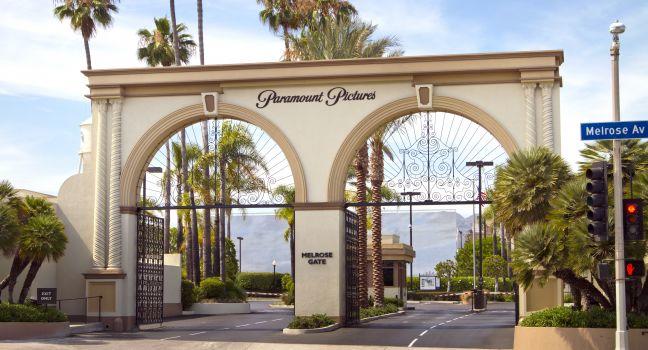
With a history dating to the early 1920s, the Paramount lot was home to some of Hollywood's most luminous stars, including Mary Pickford, Rudolph Valentino, Mae West, Marlene Dietrich, and Bing Crosby. Director Cecil B. DeMille's base of operations for decades, Paramount offers probably the most authentic studio tour, giving you a real sense of the film industry's history. This is the only major studio from film's golden age left in Hollywood—all the others are now in Burbank, Universal City, or Culver City.

Memorable movies and TV shows with scenes shot here include Sunset Boulevard, Forrest Gump, and Titanic. Many of the Star Trek movies and TV series were shot entirely or in part here, and several seasons of I Love Lucy were shot on the portion of the lot Paramount acquired in 1967 from Lucille Ball. You can take a two-hour studio tour or a 4½-hour VIP tour, led by guides who walk and trolley you around the backlots. As well as gleaning some gossipy history, you'll spot the sets of TV and film shoots in progress. Reserve ahead for tours, which are for those ages 10 and up.

Rodeo Drive

Fodor's Choice
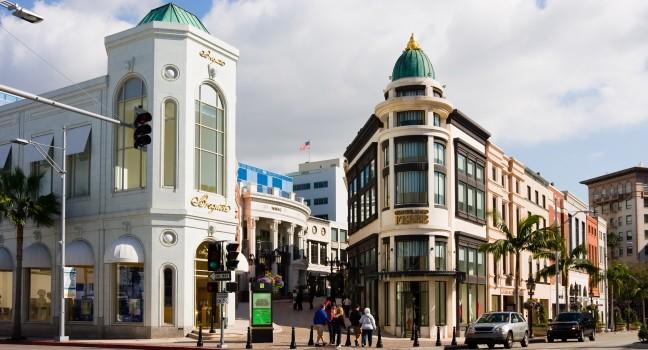
BEVERLY HILLS - FEBRUARY 8: Rodeo Drive of Beverly Hills is a shopping district famous for designer label and haute couture fashion on February 8, 2010 in Beverly Hills
Andrew Zarivny / Shutterstock

The ultimate shopping indulgence, Rodeo Drive is one of L.A.’s bona fide tourist attractions. The art of window-shopping (and reenacting your Pretty Woman fantasies) is prime among the retail elite: Tiffany & Co., Gucci, Jimmy Choo, Valentino, Harry Winston, Prada—you get the picture. Near the southern end of Rodeo Drive is Via Rodeo, a curvy cobblestone street designed to resemble a European shopping area and the perfect backdrop to pose for your Instagram feed. To give your feet a rest, free trolley tours depart from the southeast corner of Rodeo Drive and Dayton Way from 11:30 to 4:30.

Rose Bowl and Flea Market

Fodor's Choice
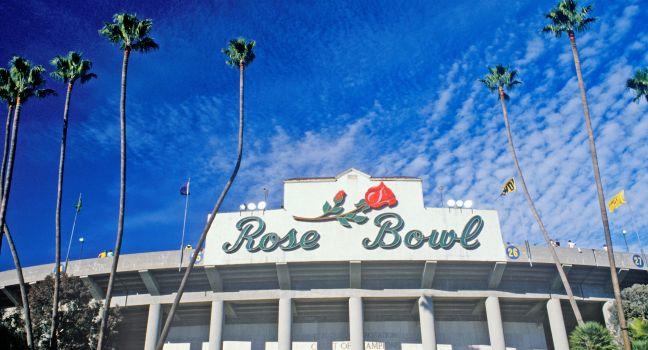
Front entrance to the Rose Bowl in Pasadena, Pasadena, California.
spirit of america / Shutterstock

With an enormous rose on its exterior, this 90,000-seat stadium, host of many Super Bowls and home to the UCLA Bruins and the annual Rose Bowl Game on New Year’s Day, also regularly sees performances from the biggest recording artists in the world. Set at the bottom of a wide arroyo in Brookside Park, the facility is closed except during events, incuding its famed Flea Market, a Southern California institution. The massively popular and eclectic event, which happens the second Sunday of each month (rain or shine), deservedly draws crowds that come to find deals from more than 2,500 vendors on goods including mid-century and antique furniture, vintage clothing, pop culture collectibles, books, and music. Food and drink options are on hand to keep shoppers satiated, parking is free, and general admission is just $13. Bring cash to avoid an inevitable line at the ATM, and feel free to try your hand at haggling.

Santa Monica Pier

Santa Monica Fodor's Choice
Ferris wheel on Santa Monica Pier lit up at dusk, Santa Monica, Los Angeles County, California, USA.
Celsodiniz | Dreamstime.com

Souvenir shops, carnival games, arcades, eateries, an outdoor trapeze school, a small amusement park, and an aquarium all contribute to the festive atmosphere of this truncated pier at the foot of Colorado Boulevard below Palisades Park. The pier's trademark 46-horse Looff Carousel, built in 1922, has appeared in several films, including The Sting. The Soda Jerks ice-cream fountain (named for the motion the attendant makes when pulling the machine's arm) inside the carousel building is a pier staple, and the MariaSol restaurant at the end of the pier serves great fajitas. Free concerts are held on the pier in the summer.