



Avoid the crowds in lesser-known, but up-and-coming, destinations.
Day 1: Arrival
Following your evening arrival at Juan Santamaría International Airport, head into San José. The airport lies northwest of the capital, and because you’ll be heading east out of the city the next morning, this gets you well on your way there. The west-side Hotel Grano de Oro or the downtown Gran Hotel Costa Rica are tried-and-true favorites and make for wonderful ways to ease into your Costa Rican experience.
Day 2: San José to Cartago to the Orosi Valley
1 hour by road.
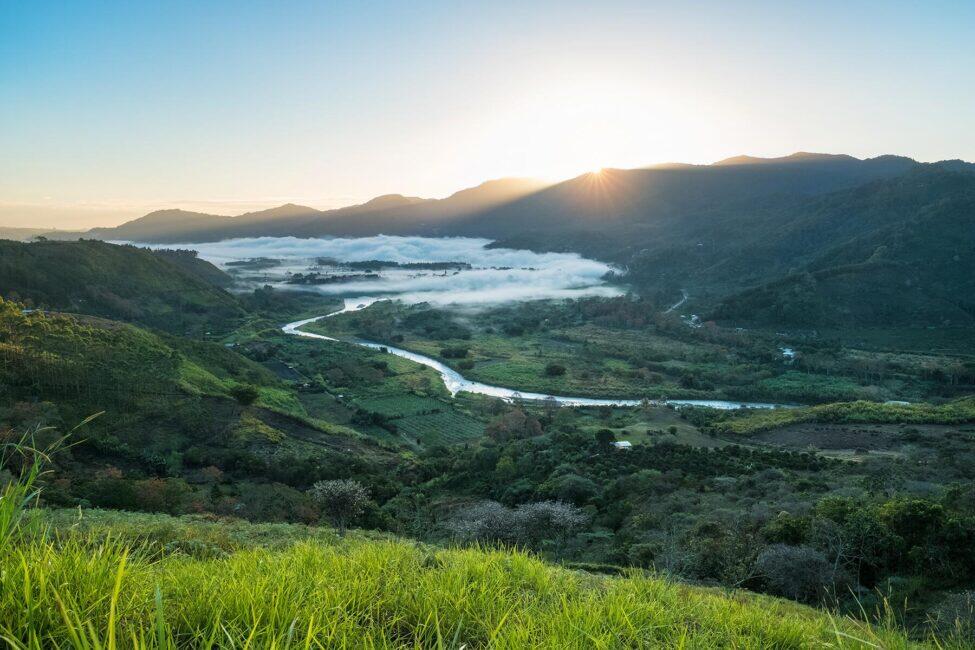
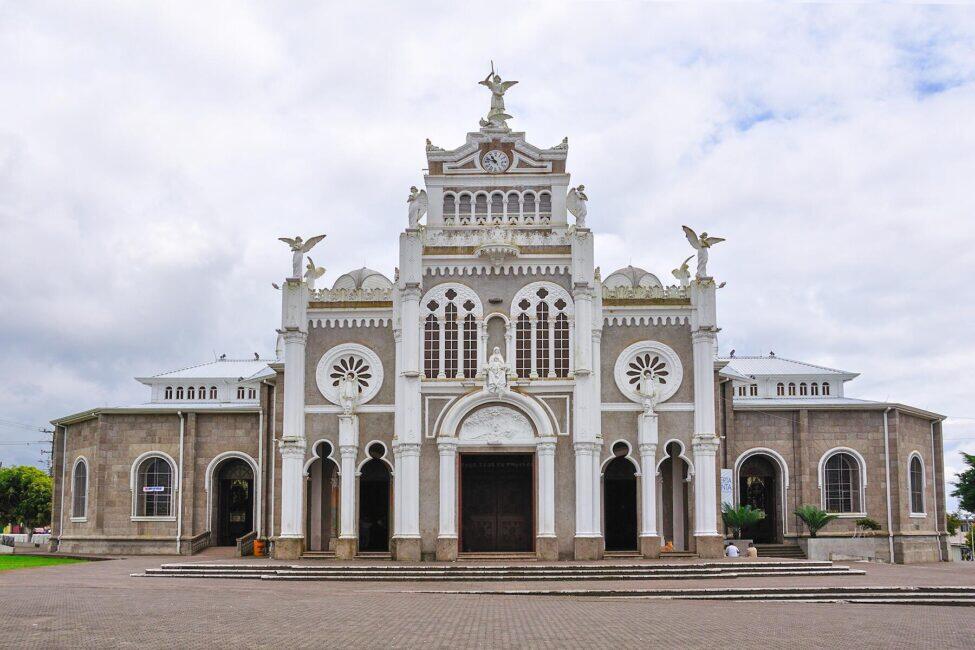
Allow yourself a leisurely breakfast at your hotel and avoid San José’s morning rush hour. Get going by 10 and you’ll be fine. A half-hour drive takes you to Cartago and its only real sight. Tradition holds that the Basílica de Nuestra Señora de los Ángeles was the site of a 17th-century apparition of the Virgin Mary. A leisurely drive east takes you to Paraíso. Just before Paraíso lies the Jardín Botánico Lankester, a must for orchid lovers. Turn south at the center of town and descend steeply into the Orosi Valley. Spend the night at the rustic, but smart, Hotel Quelitales or the sumptuous La Casona del Cafetal.
Day 3: Orosi Valley
2–5 hours around the valley, depending on stops.
A loop road lets you easily navigate the entire valley. Ujarrás houses the ruins of Costa Rica’s first church. The town of Orosi itself contains the Church of San José de Orosi, the country’s oldest house of worship still in use. Whether you stay there or not, La Casona del Cafetal is one of Costa Rica’s most famous lunch stops. Expect a long wait on weekends.
Top Picks for You

Recommended Fodor’s Video
Day 4: Orosi Valley to San Gerardo de Dota
2 hours by road.
For optimal driving conditions, get an early start today. Head back toward Paraíso and Cartago, then south on the Pan-American Highway. You’ll pass over the ominously named Cerro de la Muerte (Hill of Death). You’ll be fine, but the high-elevation stretch of highway fogs over by noon. At Km 80, turn off to San Gerardo de Dota and navigate the steep descent carefully. You’ll welcome the sight of the Savegre Hotel or Dantica Cloud Forest Lodge, both wonderful places to spend a couple of nights.
Day 5: San Gerardo de Dota
San Gerardo means bird-watching. The activity generally requires some hiking here. The two lodges we suggest both have top-notch on-site guides. If you’re not a birder, don’t forget that this is one of Costa Rica’s premier trout-fishing and horseback-riding destinations.
Day 6: San Gerardo de Dota to Costa Ballena
2 hours by road.
Another early start today and it’s back up the road and back down the Pan-American Highway. The highway descends to the hub city of San Isidro de El General, a good refueling stop. An hour-long descent to the coast takes you to the beach town of Dominical. Your reward for the rugged highway conditions you’ve endured so far is the so-called Costanera, a modern highway that hugs the Pacific Ocean. Head south along the coast.
Days 7 and 8: Costa Ballena and Ballena Marine National Park
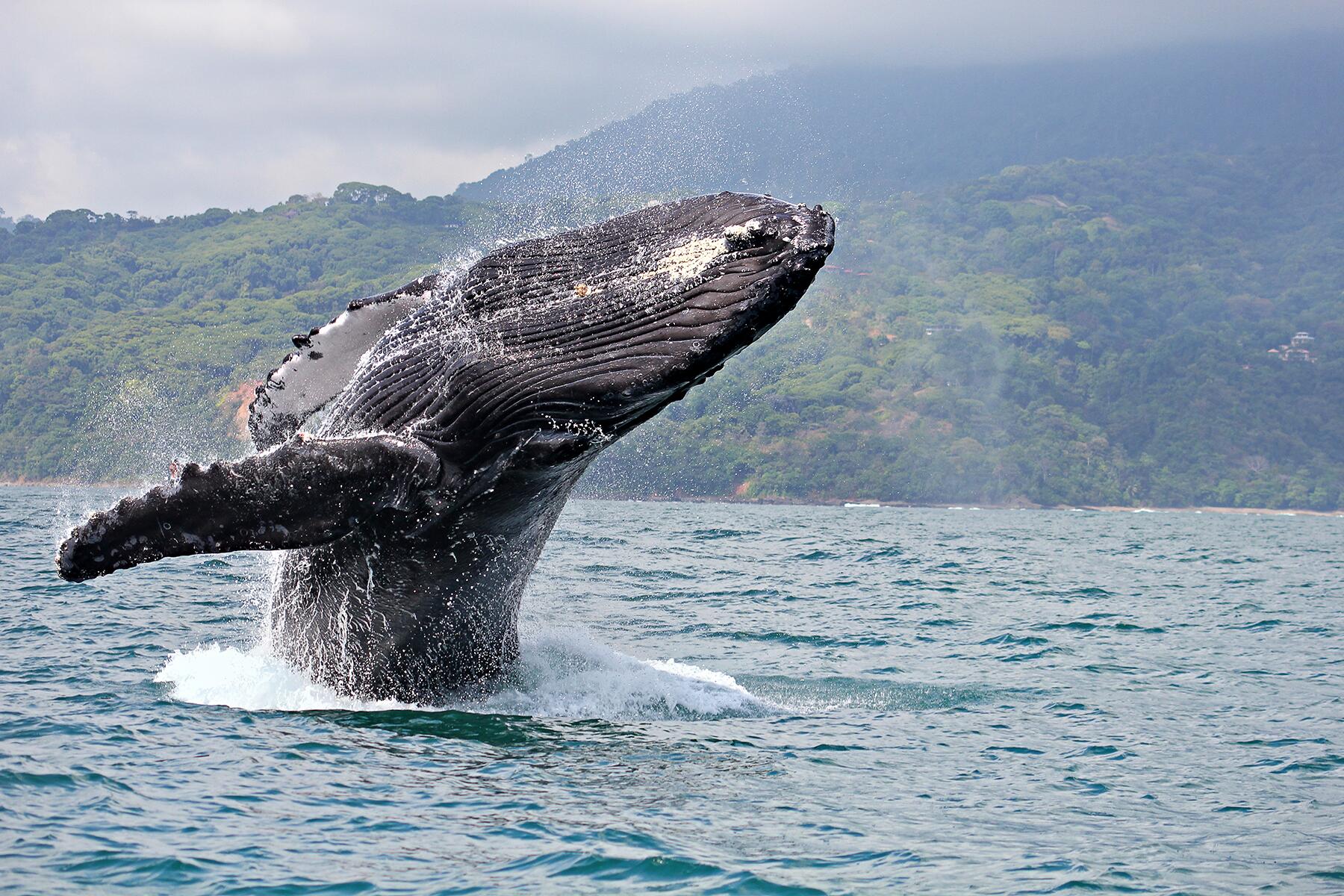
A couple of days of exploring this stretch of coast between Dominical and Ojochal allow you to experience up-and-coming Costa Rica. El Castillo Boutique Luxury Hotel and Kura Boutique Hotel offer some amazing luxury down here, but Río Tico Safari Lodge provides comfort at affordable prices. Ballena Marine National Park, the region’s original sine qua non, provides whale- and dolphin-watching tours, along with terrific sunsets and sections with swimming—a treat hard to come by at many of the country’s beaches.
Day 9: Costa Ballena to San José
3–4 hours by road.
You need not return to San José the same way you came. At Dominical, the Costanera continues northwest to Quepos and Jacó, from where you can catch the tolled Carretera a Caldera (Highway 27) back to the capital with much better road conditions.