


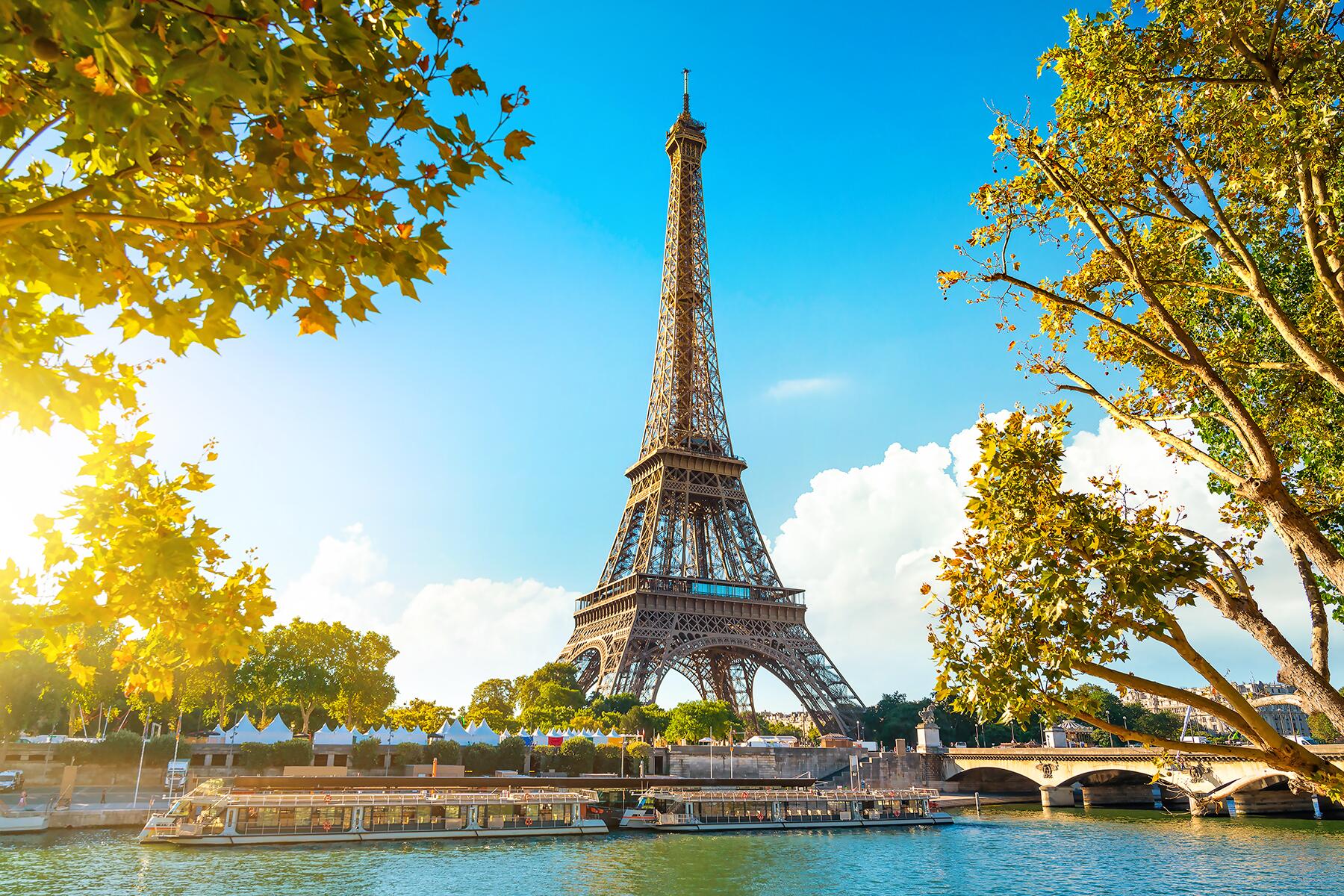

Paris is a treasure of neighborhoods and history, and a visit to this glorious city is never quite as simple as a quick look at a few landmarks. But if you have only a day to take it all in, there are some icons that you just can’t miss. Over five days, you’ll have the luxury to truly take in the sights and museums while leaving time for random exploring, including sampling the foods and beverages that have put the capital on the gastronomic world map.
Paris in 1 Day
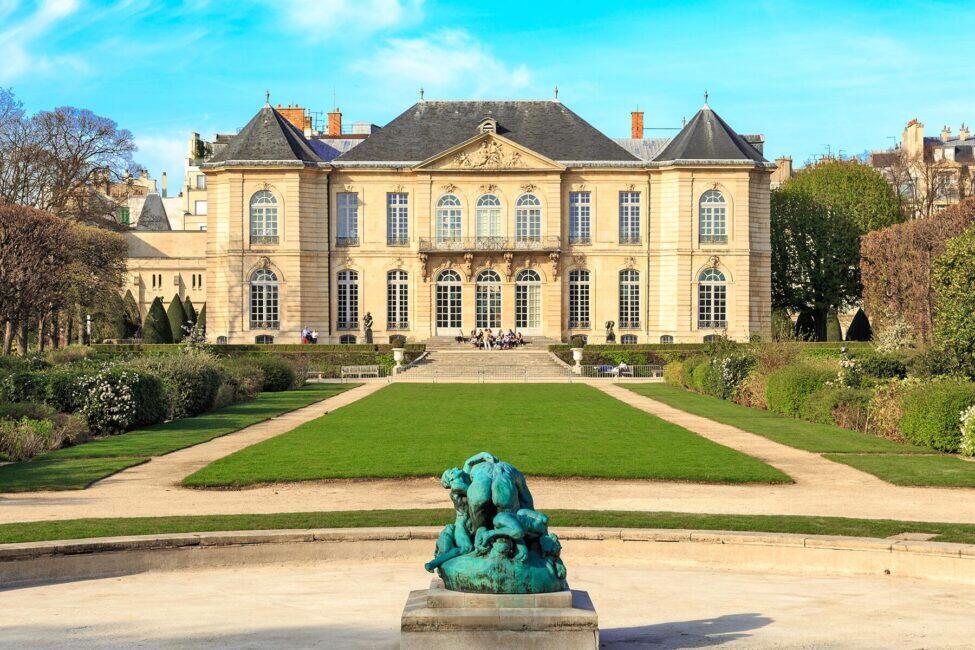
Begin your day at the Trocadéro métro, where you can get the best views of the Eiffel Tower from the esplanade of the Palais de Chaillot. If you want to ride to the top, now is the best time to get in line (it opens at 9:30 am year-round). Afterward, take a walk along the Seine, stopping to visit the sculpture gardens of the Musée Rodin (be sure to stop at the café L’Augustine for a coffee), and continuing on to the Musée d’Orsay to tackle the late-19th-century works of art and admire the gorgeous former train station. Steps from here you can visit the city’s newest cultural institution, Maison Gainsbourg, with its 25,000 items that belonged to the singer Serge Gainsbourg.
Top Picks for You


Recommended Fodor’s Video
If your feet are still happy, cross the gilded Pont Tsar Alexandre III to the Champs-Élysées, passing the Belle Époque art palaces known as the Grand Palais and Petit Palais. You can take Bus 73 from the Assemblée Nationale across the bridge to Place de la Concorde and all the way up Avenue des Champs-Élysées to the Arc de Triomphe. Open until 10:30 or 11 pm, its panoramic viewing platform is ideal for admiring the City of Light.
Next, head to the most famous art museum in the world, the Louvre. With just one day in the city, you’ll have to limit your time here, but grab a museum guide and hit up the Big Three: the Mona Lisa, Venus de Milo, and Winged Victory of Samothrace. There should still be time to get a glimpse of the exterior of Notre-Dame Cathedral, which still stands proud and mighty even after the 2019 fire that almost destroyed the interior; currently, there are plans for it to finally reopen in December 2024.
Paris in 3 Days
Day 1
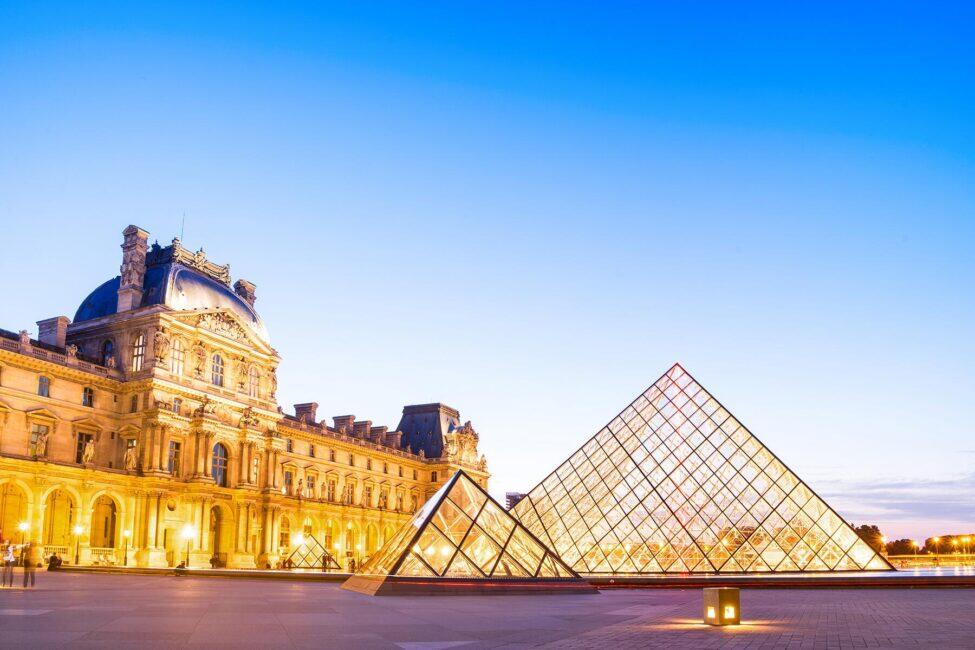
Start your first full day in Paris at the Louvre, the world’s largest and most-visited museum, while you’re at peak energy. You can enter underground via the Carrousel du Louvre shopping center or outdoors through I.M. Pei’s famous glass pyramid. You could easily spend a week here without seeing everything, but in a mere two hours you can get a glimpse of its highlights, including the Mona Lisa and the Venus de Milo. Purchase tickets beforehand, leave ample time for standing in line, and maximize your time at the museum by enjoying a quick snack or lunch at the museum’s Café Mollein.
Afterwards, head straight out to the Pont Neuf for excellent views off the western tip of Île de la Cité, then explore one or all of the island’s magnificent architectural gems, including Sainte-Chapelle and Notre-Dame.
Finally, walk to the medieval labyrinth that is the city’s Latin Quarter via the Rue de la Cité bridge (Petit Pont Cardinal Lustiger) and the Musée Cluny, which preserves the city’s priceless Roman and medieval treasures, including the reconstructed ruins of 2nd-century Gallo-Roman baths and the famous medieval tapestry The Lady and the Unicorn. From here, it’s a ten-minute (uphill) walk to the Panthéon, a monument (and mausoleum) of French heroes, where you can climb to the top rotunda for superb views of Paris. If you still have time and energy, you can head a couple minutes west to the Jardin du Luxembourg, a beautiful sprawling park that’s home to the French Senate and the excellent Musée de Luxembourg.
Day 2
Begin your second day at the Trocadéro métro, where you can get the best views of the Eiffel Tower from the esplanade of the Palais de Chaillot. Then meander over to Quai d’Orsay, near Invalides, stopping for a plat du jour along the way before crossing the Alexandre III bridge to the Grand Palais, where you can now sneak some rooftop peeks, and then visit its sister, the Petit Palais. From here, you can walk all the way up Avenue des Champs-Élysées (focus on the prize and not the chain stores that line the avenue) to the Arc de Triomphe.
Take a quick 10-minute métro ride to the Jardin des Tuileries, once the grounds of the 16th-century Tuileries Palace that was destroyed during the Paris Commune of 1871 and now home to the glorious Musée de l’Orangerie. Claude Monet himself designed this luminous gallery to house the eight panels of his most famous Water Lilies series, given to Paris after World War I as a symbol of peace. There’s also a fine collection of temporary exhibitions downstairs.
The short stroll along the Seine to the Musée d’Orsay, along either the river’s Left or Right Bank, is an excellent chance to take in the sights before feasting your eyes on the world’s biggest collection of Impressionist and post-Impressionist masterpieces. Once a train station—notice the huge central clock, now the centerpiece of the museum’s Café Compana—it’s now one of the most popular museums in Paris. For lunch or dinner before or after your visit, you can’t go wrong with a meal at Café des Ministères, just behind the museum.
If you have energy to spare afterwards, head south on the Rue de Bellechasse to the Rue de Varenne and the Musée Rodin, where you can grab a refreshment at the museum’s charming indoor-outdoor garden café. Or you could jog over to the Rue du Bac, one of Paris’s great shopping streets, home to a dozen top chocolate and pastry boutiques, and head all the way to Le Bon Marché, the city’s loveliest department store. Across the street, the Grand Épicerie is Paris’s biggest gourmet grocer offering every possible food under the sun (great for picking up some edible souvenirs).
Day 3
For your final day in Paris, you’ll be spending time in the Marais (Paris’s 3e and 4e arrondissements), not only one of the city’s chicest areas, but also an epicenter for cultural life in the city, bursting with world-class museums, art galleries, and many other cultural and architectural treasures. Plus, it’s hands-down the city’s best shopping neighborhood, with chic cafés and great dining to boot.
Start at the Place des Vosges, Paris’s most elegant square, surrounded by what was once a royal palace before the nobles decamped to Versailles. From there, you’ll be spoiled for choice, but with limited time, the marvelous Musée Carnavalet shouldn’t be missed. Housed in two splendid Renaissance mansions, the museum narrates the history of Paris and its inhabitants, from prehistory to the 19th century (in warm weather, linger for lunch or a coffee at Fabula, the on-site garden café). You could also make a stop at the Musée Picasso, a few minutes’ walk away, set in a spectacular hotel particulièr (private mansion).
Heading toward the Marais’s western edge, walk to the Rue des Archives and the fabulous Musée de la Chasse et de la Nature, Paris’s most original museum, dedicated to the creative relationship between humans and nature and set in a gorgeous 17th-century mansion. Continuing up the Rue des Archives, you can stop for lunch (or dinner) at the beautiful Grand Coeur restaurant in a lovely cobbled courtyard.
Whatever you do, save time for shopping as everywhere you look you’ll find tempting boutiques of all kinds, especially for chic clothing and accessories. The main shopping arteries are the Rue Franc-Bourgeois, Rue Vieille du Temple, Rue du Temple, Rues Saintonge, Charlot, and du Poitou. The Marais is also vintage central: Rue de la Verrerie is the main drag, but top vintage shops include The Room, Plaisir Palace, Skat Vintage, Palettist Vintage, and many more.
Paris in 5 Days
Day 1: Notre-Dame and the Latin Quarter
Start your day at Pont Neuf for excellent views off the western tip of Île de la Cité, then explore the island’s magnificent architectural heritage, including the Conciergerie, Sainte-Chapelle, and Notre-Dame.
Take a detour to neighboring Île St-Louis for lunch before heading into the medieval labyrinth of the Latin Quarter; its most valuable treasures are preserved in the Musée de Cluny, including the reconstructed ruins of 2nd-century Gallo-Roman steam baths. At the summit of the hill above the Sorbonne University is the imposing Panthéon, a monument (and mausoleum) of French heroes. Follow Rue Descartes to Rue Mouffetard for a café crème on one of the oldest market streets in Paris.
Day 2: Jardin des Tuileries, the Louvre, and the Musée d’Orsay
Begin at Place de la Concorde, where an Egyptian obelisk replaces the guillotine where Louis XVI and Marie-Antoinette met their bloody fate during the French Revolution, then escape the traffic in the formal Jardin des Tuileries, which once belonged to the 16th-century Tuileries Palace, destroyed during the Paris Commune of 1871. Pass through the small Arc du Carrousel to the modern glass pyramid that serves as the main entrance to the Louvre, the world’s grandest museum, once a 12th-century fortress. You’ll never be able to see it all, but take a few hours to explore and make sure you hit up all the essentials.
The Musée d’Orsay merits an afternoon gander. The short post-Louvre stroll to this museum on the Left Bank is just long enough to get some fresh air before feasting your eyes on the world’s biggest collection of Impressionist and Postimpressionist masterpieces, housed in a building that’s equally visually magnificent.
Day 3: Eiffel Tower, Champs-Élysées, and Arc de Triomphe
Begin your day at the Trocadéro métro, where you can get the best views of the Eiffel Tower from the esplanade of the Palais de Chaillot. Visit the Musée de l’Homme, with 63 mummies and 700,000 prehistoric artifacts and fossils, and take advantage of the spectacular selfie ops of both the Tour Eiffel and the Seine.
Then meander over to Quai d’Orsay, near Invalides, stopping for a plat du jour along the way before crossing the Alexandre III bridge to the Grand Palais, where you can now sneak some rooftop peeks, and then visit its sister, the Petit Palais. From here, you can walk all the way up Avenue des Champs-Élysées (focus on the prize and not the chain stores that line the avenue) to the Arc de Triomphe. Open until 10:30 or 11 pm, its panoramic viewing platform is ideal for admiring the City of Light.
Day 4: The Marais
In the 4e arrondissement, the hip Marais district just keeps getting hipper and is the perfect neighborhood to spend a relaxing day filled with culture, food, and fashion. To the south you can find the Hôtel de Sens, home to King Henry IV’s feisty ex-wife Queen Marguerite, and one of the few surviving examples of late-medieval architecture. Around the corner on Rue Charlemagne is a preserved section of the city’s 12th-century fortifications built by King Philippe-Augustus. Cross busy Rue St-Antoine to Le Marais and enter the Hôtel de Sully, a fine example of the elegant private mansions built here by aristocrats in the early 17th century. Stop by any of the old aristocratic mansions in Le Marais that have been turned into museums, including the Musée Picasso and the offbeat Musée de la Chasse et de la Nature.
Day 5: Versailles
On Day 5, head 20 km (12½ miles) southwest of Paris to the gilded palace and reminder of pre-Revolution indulgence that is Versailles. The estate is divided into four sections: the Palace with the King’s Grand Apartments and the famous Hall of Mirrors, the Grand Trianon, Marie-Antoinette’s Estate, and, of, course, the spectacular gardens. Book an English tour, which includes the King’s Apartments, Royal Chapel, and Opera, and make sure you get there by 9 am so you can be sure to see everything. The easiest (and least expensive) way to visit Versailles is by the 40-minute Paris RER train serviced from St-Michel–Notre-Dame, Musée d’Orsay, Invalides, and Tour Eiffel stations. Buy tickets (destination: Versailles Rive G) directly from the automatic ticket machines or from the booth.