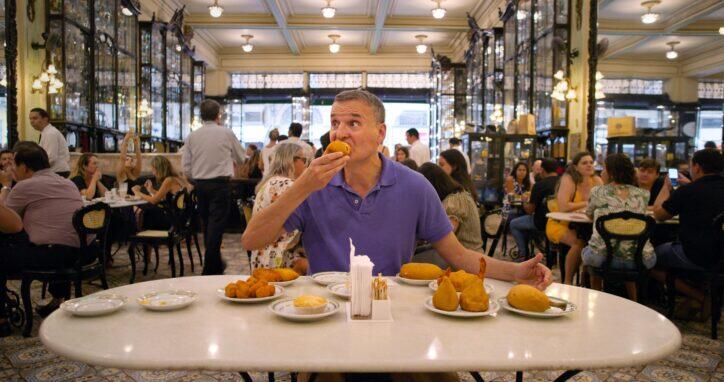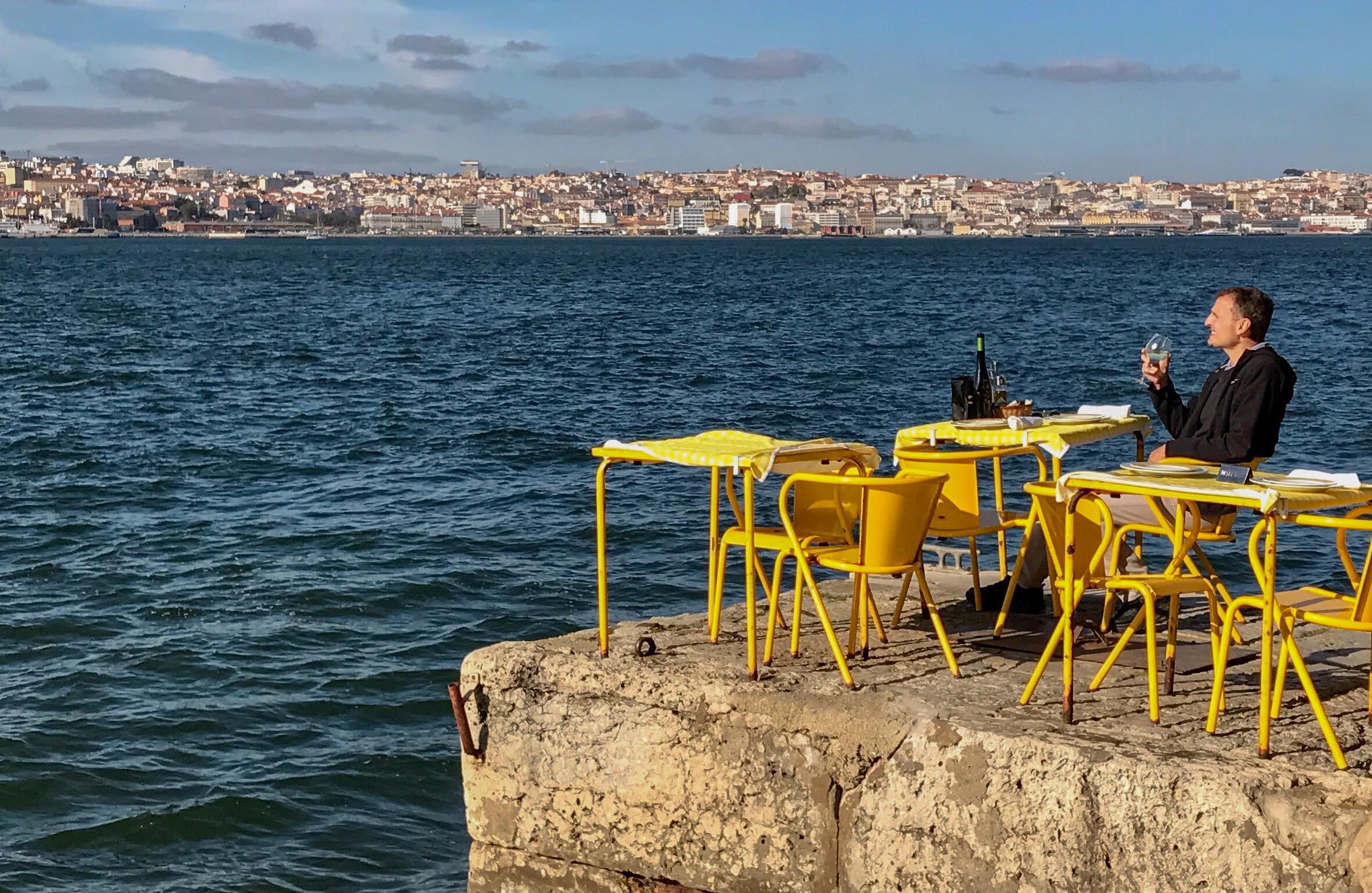

Phil Rosenthal shares his favorite spots from the show’s current season.
If there’s one word to sum up the viewing experience of the Netflix show Somebody Feed Phil it would simply be “positivity.” During every minute of the hour-long episodes, Phil Rosenthal exudes pure joy over finding something new, discovering a hidden treasure, and of course, devouring one-of-a-kind flavors all around the world.
In season four of the show, Rosenthal travels to Rio De Janeiro, San Francisco, Singapore, the Mississippi Delta, and Hawaii where he makes lifelong friends through food, sharing stories across the dinner table, and even shedding light on charitable organizations that are doing selfless work in their respective cities.
Talking to Rosenthal on the phone is no different than watching him on TV. What you see is what you get, and by the end, you feel like you’ve made a lifelong friend after only a 30-minute conversation. There’s another singular word that comes to mind when describing this hungry globetrotter, and that word is simply, “mensch.” 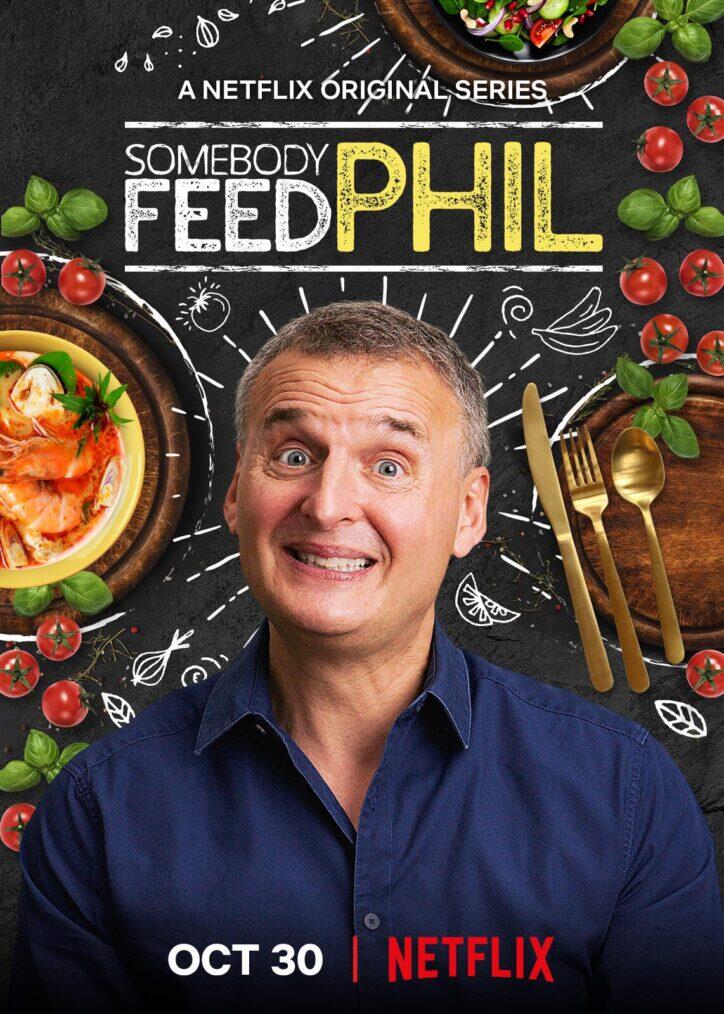
Do you find it fortuitous that the show is coming out right now? Not just in terms of a pandemic, per se, around the election? As I watched the show, I really thought you have so many messages about bringing people together through food. Was it always there while you were shooting?
So, when we started, it was certainly not a political show. It’s just a show that on the surface is just a guy going around, trying to be friendly, and embracing other people and other cultures. But because of the climate that we’re in today, suddenly the act of embracing other people and other cultures is a political statement. So, it wasn’t my intention. I’m just being a human being. When did acceptance and love become a political point of view? So, yes, I’m against intolerance. I’m all for acceptance and the embracing of other people and other cultures. And I will go this far, even if you want to get really political—instead of a wall, how about a table?



I love it. So, I found myself getting strangely emotional watching this as a food and travel writer. The show is this time capsule, where I have nostalgia for my job that I can’t really do right now, but then also this immense hope for being able to do it again in the future. And then, strangely enough, you do these Zoom calls with your father and your wife and now this is how we all communicate with our families.
I didn’t realize it, obviously, at the time as we finished filming in January before COVID hit. But it did not occur to me that that was prescient and that would be the way everyone communicates with everybody all the time now.
When you come home to L.A., do you look for versions of the food you had abroad?
How lucky for [me to] live in this place called Los Angeles where, you know, I’ll be in Rio, and I’m having feijoada, and as soon as I leave that place, I go on Google, and I type in “feijoada Los Angeles,” and I found three places. Great, I can have it when I get home! … I say it all the time, I live here because when I can’t travel, the world comes to me.
Let’s get into some of the places that you actually went to for this particular season. Why did you choose the cities that you chose?
I think you’ll see a few more American cities than usual. And I did that for two reasons. One, I understand that not everyone can afford to travel overseas. I didn’t know how prescient that would be either, that we wouldn’t be welcome overseas either. But the other reason is, I genuinely believe that we have incredible places here and you can travel in your own town. Even for the people that are lucky enough to live in L.A. or New York, where the whole world is there. There’s enough of the world spread out for us in our country. Did you see the Mississippi Delta show?
Of course.
How about the Syrian guy? You would never in 100 years guess that there’s a Syrian population or even a Mexican population in the Mississippi Delta. And that it’s so prevalent that they have a hot tamale festival every year. I thought going to the Mississippi Delta was gonna be like a scene out of Deliverance. I didn’t know what to expect, right? And of course, it was the opposite. They were so warm, and you can see they’re welcoming and lovely and Black people with white people and everybody getting along. It was just like the Israel show with the Jews and the Arabs getting along. I was so touched by them. I love the people so much and the food was spectacular. That’s one of my favorite episodes we’ve ever done.
OK, let’s do some rapid-fire questions within each city. Let’s start with Rio. Favorite food and non-food spots?
Cervantes for those sandwiches. Those were insane. Like a slice of that fresh pineapple on the sandwich and you think, I don’t need pineapple, that’s like a Hawaiian thing, why am I doing that? Why does the sandwich need it? And then you realize when it’s this pineapple and you’re like, OK, I get it.