


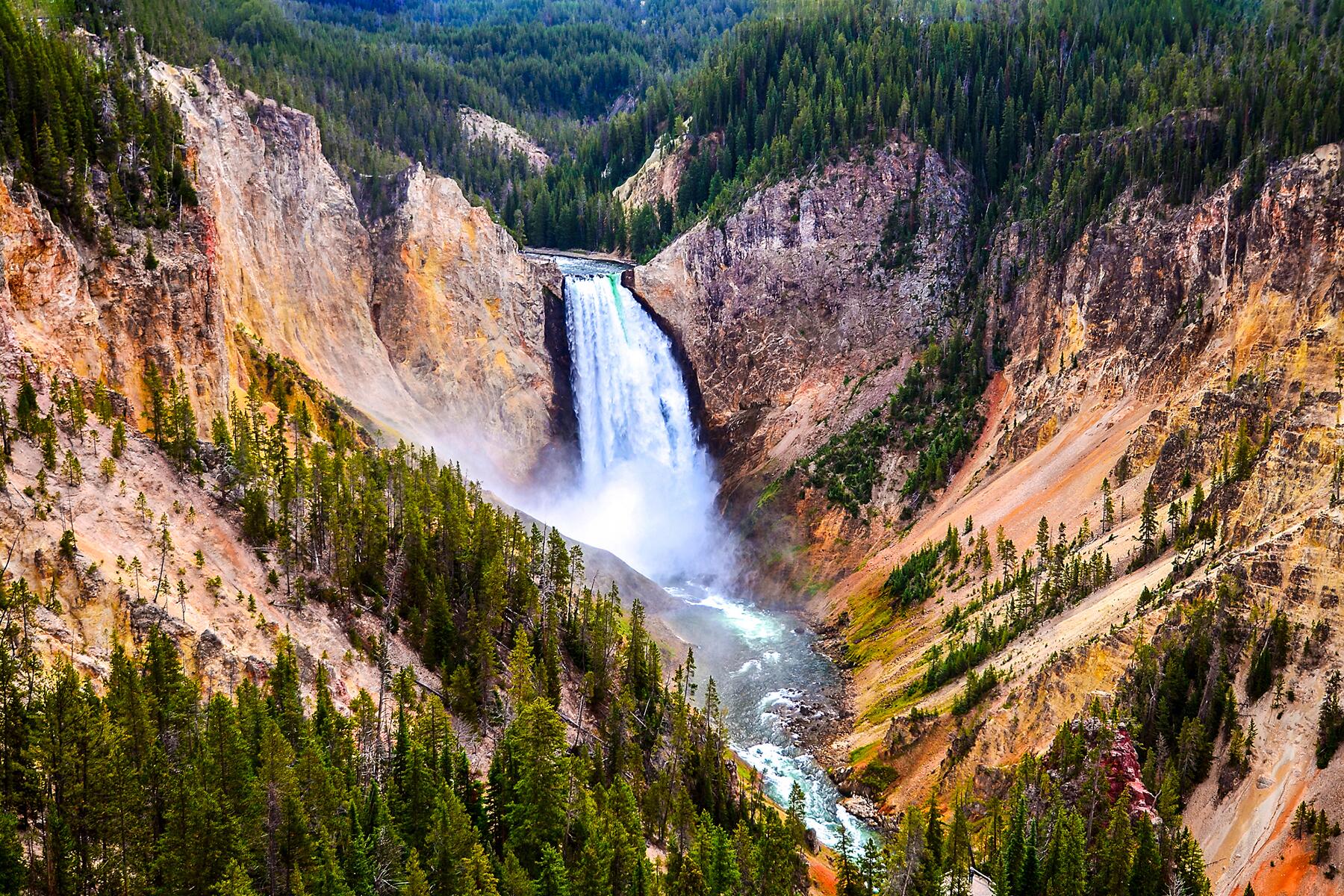

The secret land deals and bear lunch spectacles that made the National Parks what they are today.
There’s a level of reverence reserved for America’s National Parks that few other institutions receive. They protect what is perhaps the best and most sacred part of the country–its natural wonders. They feel as if they’ve always been these immovable pillars of American life, like they sprang into being, fully-formed and solidified in their hallowed stations. And yet there are still plenty of quirks and oddities that dot their histories and indisputably gorgeous landscapes.
Top Picks for You

Talk to us!Login or create an account to comment
Login
Register
Community Guidelines
1 Comments
L
luoqi9617
November 7, 2022
Sequoia National Park was awesome, to spend time among some of the oldest things in the world makes you feel a little insignificant. They are amazing things See the General Sherman.