


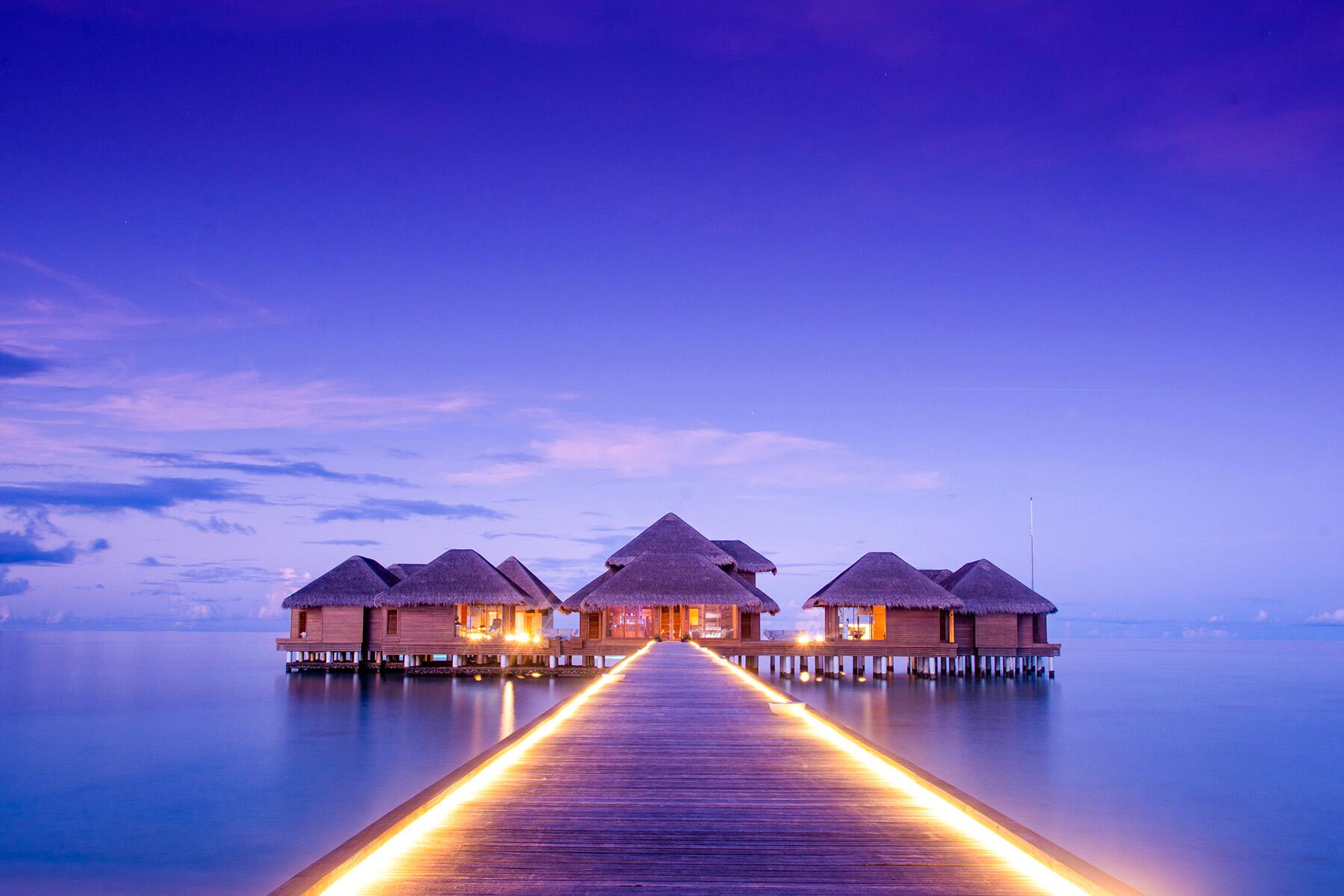

Often considered a bucket list accommodation, there are a few things to know before booking a stay in an overwater bungalow.
For many travelers, an overwater bungalow in the Islands of Tahiti is the ultimate dream accommodation. I’ve been going to Tahiti for years, and I’ve stayed in my share of overwater bungalows, both on Bora Bora (where the majority of them are) and on other islands in this semi-autonomous region of France officially known as French Polynesia. And yes, they’re dreamy, but there are a couple of things to explain to help anybody considering the splurge (yes, they’re expensive) fully understand what it is they’re buying before they show up with their luggage.
Top Picks for You


They’re Expensive, but Not the Only Option
There’s a wide variety of accommodation types in French Polynesia, especially outside of the island of Bora Bora. Even on Bora Bora, some resorts have more standard-type accommodations that are more affordable than overwater bungalows, which are generally regarded in the industry to be equivalent to premium suite accommodations in standard land-based resorts.
Budget-conscious travelers can save some money on their vacation costs by booking a few nights in an underwater bungalow and a more standard room type for the remainder of their stay. Many resorts, like the Hotel Kia Ora Resort & Spa on Rangiroa, have garden and beach bungalows that are just as lavish as their overwater accommodations, and often have lower rates or better date availability. The ultra-luxury resort on Tetiaroa, The Brando, doesn’t have any overwater bungalows at all out of concern for the local environment, but the experience at their oceanfront villas is strikingly similar.
They Involve Long Walks
Glossy brochure photos often show aerial views of sprawling resorts with long tendrils of bungalows snaking across turquoise lagoons. But one thing that isn’t apparent is that some of the further-out bungalows can be long walks from the resort’s shoreside buildings, like restaurants, bars, and activity facilities. Because they’re overwater, there’s also no shade cover, so plenty of those long walks to and from bungalows can be hot and sunny—particularly in the middle of the day.
Thankfully, most resorts provide umbrellas for long sunny walks, and a good number of the top-end resorts, like The St. Regis Bora Bora Resort, offer on-demand golf cart rides from far-flung bungalows to resort facilities. The long walks can also be frustrating if you’ve mislaid your room key, or do like I’ve done more than once, and happen to drop it into the water. Thankfully, most resorts have staff passing through frequently who can call for help, and also strategically located service huts along the boardwalks, with ice machines and house phones, so you don’t have to walk all the way back to the front desk for a new key.
Recommended Fodor’s Video
They’re Not as Private as You Think
The overwater bungalows might seem secluded and private, but they’re actually quite public, as pop star Justin Bieber discovered during a visit to Bora Bora in 2015. The singer spent a good amount of time skinny dipping in his bungalow’s plunge pool during his visit, and paparazzi photos soon surfaced.
Regardless of whether or not you’re the type to be followed by the paparazzi, it’s worth bearing in mind that the bungalows are designed to take full advantage of the fabulous surrounding scenery, which means they’re also highly visible from the outside, to anybody boating on the lagoon or equipped with a pair of binoculars or a telephoto lens. To spare your blushes (and those of resort staff, guests, or local residents) remember that sundecks and outdoor pools are easily visible spaces, and the big windows and sliding doors can turn the bungalows into well-lit dioramas during the evening hours.
They Give a False Sense of Security
Surrounded by water, overwater bungalows may seem more secure than a land-based accommodation, but they’re easily accessible to anybody with a boat. Thefts have occurred, and the resorts take pains to remind guests to close and secure their balcony doors when leaving. A good rule to remember is that you should secure your bungalow the same as you would in any other room type in any other location, not thinking that valuables are secure on balconies because they face the ocean.
It’s also a good idea to make use of the safe to store valuables, even when the doors are locked. It’s also a good idea to keep valuables in the safe if you have the exterior doors open, even when you’re occupying the bungalow. Exterior doors should also be closed and locks before retiring for the evening, as thefts have been known to occur while guests are sleeping.
Thankfully, the crime rate in French Polynesia is low overall, but it’s better to ensure peace of mind by ensuring there’s no opportunity for theft.
“Time Guilt” Is A Thing
There’s no feeling quite like spending a couple of thousand dollars on a gorgeous hotel room, then spending all your time outside the room, feeling as though perhaps it wasn’t worth the expense. Travelers who prefer active vacations, with lots of exploring and activities might find other accommodation types to be a better value, but it’s also worth noting that there are certain distinctive experiences afforded to travelers in overwater bungalows, like unforgettable views, swimming and snorkeling direct from your personal dock, and jealousy-inducing social media photos.
To alleviate time guilt, be sure to set aside some time to fully enjoy the bungalow’s amenities during your stay.
They Need a Lot of Maintenance
Compared to standard hotel rooms, I’ve had far more maintenance calls far more frequently on overwater bungalows—at a number of different luxury properties. That’s not to say they’re prone to problems, but in my experience, they tend to need a bit more attention because of their extraordinary construction suspended over ocean water, exposed to the elements from every direction.
I’ve had bungalows that have had air conditioning problems, minor sewage problems, and hot water issues. The thatched roofs on the bungalows also require frequent patching or re-thatching; while properties don’t normally do this with guests checked in, roof repairs to neighboring bungalows can be noisy or unsightly, ruining the background of vacation photos. Be sure to let hotel staff know as soon as you encounter an issue so they can attend to it. You can also inquire at check-in if any renovations are ongoing to nearby units—if there are, request a bungalow well enough away from the “action”.
They Come with Gifts
The timing of this varies, but overwater bungalows are meant to be memorable stays, so resorts often put lovely little extras in rooms either as standard take-home items or thoughtful turndown amenities. At InterContinental Bora Bora Resort & Thalasso Spa, it’s a lovely branded canvas tote bag given at turndown the first evening. At Le Taha’a on the neighboring island of Taha’a, it’s nightly gifts like fragrant monoi oil or locally grown vanilla pods. Tote bags seem to be a favorite among the resorts on Bora Bora; they’re also given away at The St. Regis Bora Bora and Le Bora Bora.
You Can Actually Get Seasick
Yes, when the waves ripple in they can actually shake the foundations of your bungalow ever so slightly to the point where it can almost feel like you’re on a boat. For most people, it’s unnoticeable, but if you’re particularly prone to seasickness, take some extra seasickness medication with you just in case. Light sleepers have also reported that the sound of the waves crashing around the anchor poles of the bungalow can also keep them up at night. Thankfully, most bungalows have fans or air conditioning units that provide some slight white noise, but light sleepers might benefit from earplugs (and some resorts can provide them upon request).
You Can Get Breakfast Delivered by Outrigger Canoe
It’s a favorite photo for resorts in the Islands of Tahiti—a flower-adorned outrigger canoe gliding through the turquoise water bearing plates of fresh fruit and baked-that-morning pastries, and other delights. It’s sold as a premium experience at most resorts, and it’ll cost upwards of $100 per person, but it’s an experience. I’ve only done it at the St. Regis, but it’s almost made for getting memorable photos. Not only do they paddle the breakfast out, but they also offer rides in the outrigger canoe while the attendant sets up your breakfast table on the outdoor deck of your bungalow, complete with crisp linens and tropical flowers. After feasting on a breakfast of fresh mango, coffee, pastries, and still-warm banana bread, you might need a nap, but if you want to go for another canoe ride while they clear the table, they’ll do that too.
Dining Can Be Monstrously Expensive
If you’re the type of traveler who eats three square meals a day, you’ll want to budget around $250 US per person per day for food—before alcohol—on Bora Bora. There are overwater bungalows at resorts on other islands in French Polynesia and meals at those resorts can be somewhat more reasonable (particularly Tahiti and Moorea, where the resorts are on the road system and it’s easier to dine out). The majority of the premium items served at luxury resorts with overwater bungalows must be imported from quite far away, thus the expense.
The good news is that most resorts include breakfast in their rates, and these breakfasts are lavish -everything from French Polynesia’s national dish of poisson cru to made-to-order omelets. One morning at The Four Seasons Resort Bora Bora I found myself unable to tear myself away from the large table of freshly opened coconuts on ice with a straw in them to drink the water, or the gold-leaf-topped cake with vanilla from the neighboring island of Taha’a.
Many budget-savvy travelers will cut down on meal expenses by enjoying a later, longer buffet breakfast, eating enough to tide them over until the evening meal. Otherwise, most of the resorts offer free shuttles on a set (read: infrequent) interval to Vaitape, on the main island of Bora Bora, where you can stock up on snacks and takeout from the local grocery stores.
They’re Easy to Get Locked Out Of
Back to the security of the bungalows – not only do you have to make sure they’re good and locked up before you walk away, it’s also surprisingly easy to lose your room key or find some other way to get yourself locked out. At the InterContinental Bora Bora Resort & Thalasso Spa, many of the floor-to-ceiling windows in their gorgeous bungalows open—but heed the railing running right through the middle of them. They’re to keep you from feeling gripped by the beauty of the water and jumping out of them, lest you find yourself unable to get back in your villa because all the doors accessible from the water are locked.
You Can See Ocean Life from Inside Them
The original creators of the overwater bungalow—a group of three Americans in 1967—created the “Tahitian Television” in the original designs, and it has continued ever since. The bungalows have panels in the floor, in a coffee table, or bed footer that offers a window to the lagoon below. The bottom of the bungalow typically can be lit to attract fish (the lights can be turned off when it’s time to go to bed). At Le Bora Bora and Le Taha’a, they’re at the foot of the bed and they can even open, so if you want to hear and smell the ocean while you watch (without sacrificing too much of your air conditioning), it’s possible.
Some of Them Have Butlers
There are varying degrees of service at the resorts with overwater bungalows, and some of them even have butlers. At The St. Regis, they’re assigned to every unit—both overwater bungalows and beach villas, and they’ll deliver welcome beverages, arrange activities at the resort, help pack and unpack luggage, and press garments. At The Four Seasons, many of the same services are available, but in a less formalized manner (housekeeping staff will assist with packing and unpacking and pressing upon request).
They’re a Great Time
Each of the overwater bungalows I’ve stayed in had something distinctive that made it memorable. I dined with my feet in the white sand at InterContinental Bora Bora Le Moana Resort, and stepped right through the front door of the resort for on-island activities (it’s one of the few resorts on the main island of Bora Bora; most of the resorts are on the outer reefs surrounding the island). At Conrad Bora Bora Nui, I spent hours in the plunge pool outside my overwater bungalow and can still distinctly remember the bespoke charger plates from Bernardaud adorning the dining tables at Iriatai during the dinner hours. There, I also remember the hundreds of black and white photos of the American military base on Bora Bora during World War II, and the fascinating mini-museum about the occupation at Le Bora Bora.
Although there are some watchouts, I would say that any of the overwater bungalow experiences in French Polynesia are easily worth the price.