
START

Don’t Fall for These 9 Common Scams in Southeast Asia

While Southeast Asia is known for its friendly and welcoming inhabitants, there are some instances where you have to be wary.

Southeast Asia is a popular destination for many reasons: the natural beauty of its landscapes, the architecture of historic temples, the boldly flavored food, and the relative affordability compared to other parts of the world. The people in these Southeast Asian countries are known to be kind and friendly, but as with many popular tourist spots, there can be those who are trying to take advantage of unaware tourists and can sour the vacation mood. While this is no reason to avoid this beautiful part of the world, awareness of common tourist scams will help travelers have a smooth vacation and avoid falling for these traps. These are some of the most common scams to watch out for in Southeast Asia to ensure your next vacation will be a great one.

1 OF 9

"The Grand Palace Is Closed" Scam

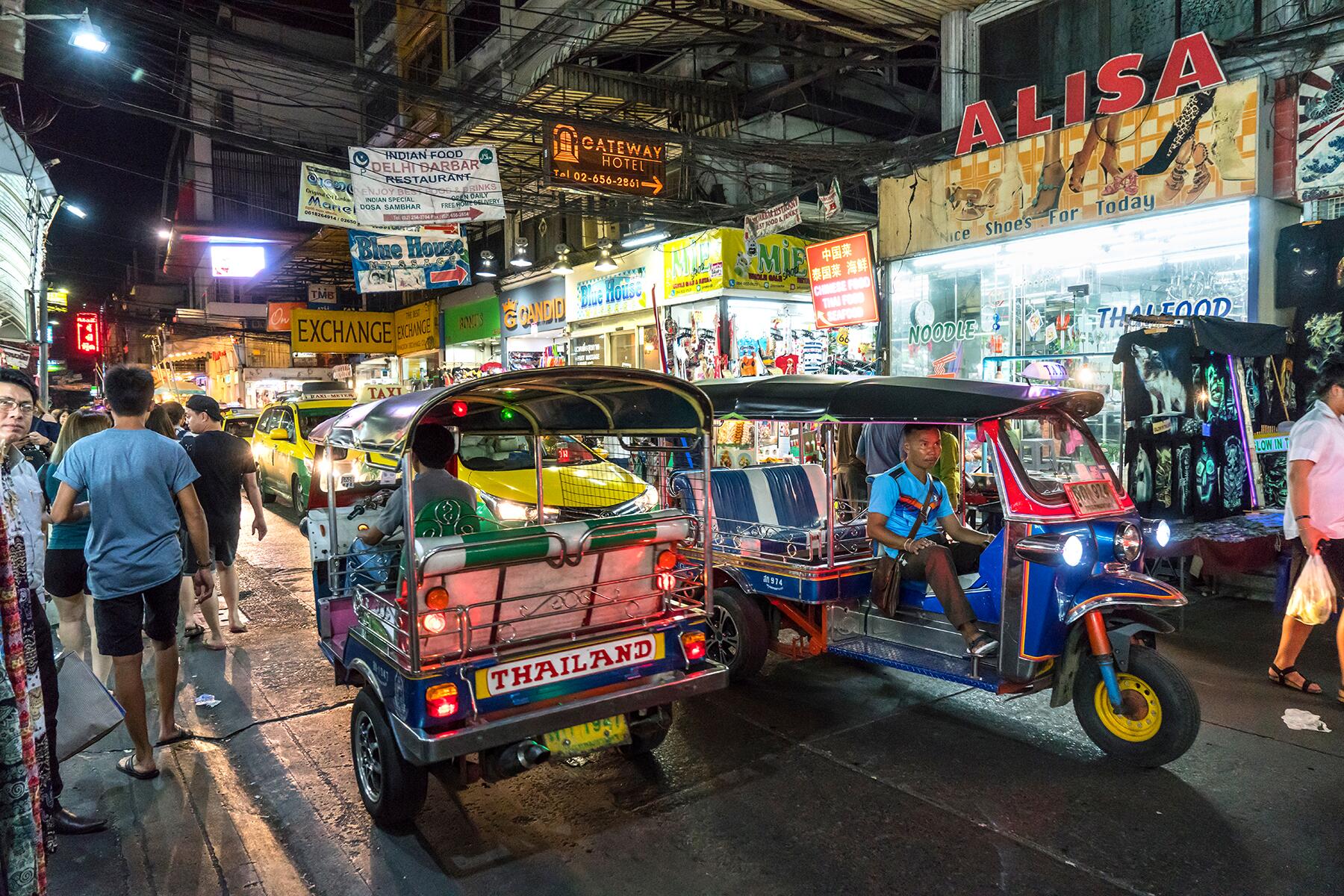
This type of scam is quite common around popular tourist attractions such as the Grand Palace in Bangkok. These people mainly approach visitors who are walking around trying to find the entrance. The men will be well-dressed and fluent in English. They’ll tell you the attraction is closed for another hour or two (because of a special ceremony, perhaps, or another made-up reason) and advise you to go elsewhere in the meantime. They might suggest a riverboat tour and mention that they know a cheaper place to get the same tour. They will call their partner-in-crime tuk-tuk to take the tourists there for a cheap fare. Whether it’s a boat tour or another tour, tourists will later find out they have paid far more than the normal rate. To avoid this, check for yourself on the official website or at the official ticketing line whether an attraction is actually closed.

2 OF 9

The Cheap Boat Tour Scam

In this scam, tourists will get offered a boat tour (such as a boat tour on Bangkok’s Chao Phraya river) for a very cheap price, even by Southeast Asian standards. Those who fall for this scam will most likely still get a pretty nice boat ride and not suspect a thing until the end of the tour. Towards the end of the ride, the boat will stop short of the pier or marina and the tour guide will ask for more money. The tourists on the boat will have to pay up if they don’t want to swim ashore. If a tour price seems too good to be true, it probably is. Find a legitimate tour operator by reading reviews online or booking through your hotel.

3 OF 9

The Fake Grab App Scam

Getting a taxi can be a daunting task near popular attractions in Southeast Asia. For example, since the ancient town of Hoi An doesn’t allow cars, travelers would gather in one area at the edge of town to hail a taxi. Watch out for scammers who hang around this area and offer to call a Grab (the local version of Uber) for them. They will show a “GrabTaxi” screen on their phones but it is in fact not the real Grab app. They will instead call their accomplice who then will charge a lot more money than normal taxis or Grab. If you have data service while you’re traveling, download and use the Grab app on your own. Otherwise, stick to the legitimate taxi companies and make sure they are running the meter. Your hotel can tell you which of the taxi companies in town are reliable and what their cars look like.

4 OF 9

The Fake Train Station Official Scam

Train travel around Southeast Asia allows you to see parts of the country you would not see otherwise, but it can be overwhelming to navigate a crowded train station in a foreign country. In addition, all travelers need to be mindful of anyone approaching them at the stations. A common scam found at train stations involves a person wearing an official-looking uniform who approaches tourists, informing them that the train is overbooked or has broken down. The man may pretend to offer helpful advice and suggest a bus to take them to their destination. In fact, the train is still running and these buses will overcharge for the ride. Always check the official sources for train schedules and alerts. Trains to popular destinations can get overbooked during high season, though, so it is a good idea to purchase tickets in advance. Also, be wary of “porters” offering to help with your luggage. They may demand more money than you expected to pay before releasing your luggage.

5 OF 9

The Somboondee Seafood Scam

Somboon Seafood is a very popular seafood restaurant in Bangkok with multiple locations, but taxi drivers will try to take tourists to Somboondee Seafood instead by claiming Somboondee is run by the same people but is less crowded and cheaper. They may also claim protesters are blocking the roads to the other Somboon locations and bring you to Somboondee instead. In fact, Somboondee is not affiliated with Somboon Seafood but intentionally chose a similar name to confuse travelers. They charge higher prices than the real Somboon Seafood (which is already quite expensive by Bangkok standards) for an inferior product. This can also happen with popular restaurants in other cities. Research the location and address of your intended restaurant destination beforehand.

6 OF 9

The Tuk-Tuk/Taxi “Free Stop” Scam

Occasionally, taxi or tuk-tuk drivers will offer to take their passengers on a pit stop at no charge to a souvenir market or jewelry store, promising high-quality items and a good price. These are most likely stores for which the drivers will get a commission on purchases, and these stores overcharge for their products. Be especially careful with jewelry stores, as they may be selling you fake gemstones. It is safer to decline offers for a pit stop and research stores you’d like to visit beforehand. Be firm when you decline or tell the driver you have a prior appointment and do not have time for pit stops. Since these drivers still rely on the fare from the rides, most of them will not pressure their passengers too much.

7 OF 9

The Motorbike Rental Scam

Renting a motorcycle for the day is a great way to explore the area, especially to visit attractions outside of the city without hopping on a bus tour. However, be careful when choosing a shop to rent from. Some unscrupulous rental shops will have someone from the shop follow the renters and steal the motorbike while they are parked. They will then demand compensation to replace the “stolen” bike.  Also common is the shop demanding renters to pay for damages that were previously there. Taking photos of the motorbike before riding off can help, although some shops also hide the damages with paint (this is also common with jet ski rentals). To avoid this, find a trusted rental shop with good reviews or ask your hotel for a recommended rental shop. You may pay more upfront but will avoid headaches later on with a trusted business.

8 OF 9

The Fake Tourist Information Office Scam

Be wary of tourist information kiosks or offices in this part of the world. There are often unofficial/fake “tourist information offices” set up in Southeast Asia, sending tourists to scam businesses that overcharge (at best) or even pretending to book hotel accommodation or tours for them (at worst). When these travelers arrive at their accommodation, they may find there was no booking for them after all. Similarly, there are fake tour operator offices that pose as branches of popular operators. These kiosks and offices can look official, so try to do your research beforehand to find the addresses of legitimate locations or book your tours and hotels prior to arrival.

9 OF 9

The Fake Hotel Employee Scam

You may find well-dressed men around higher-end hotels who approach you as you leave the hotel. They claim to be an employee of the hotel and typically speak English fluently. Seemingly helpful, this man will start a friendly conversation about where you are heading for the day. Similar to other scenarios, he may then inform you that the attraction you’re heading to is closed. If you are going shopping, he will say that he knows a shop with better prices and products. These men will send you to one of the scam businesses around town that give them a commission for sending tourists who have their guard down. While there are indeed many kind and helpful people in these countries, make sure to research these types of unsolicited recommendations.