


A conversation with Dr. Julia Shaw, author of 'Bi: The Hidden Culture, History, and Science' behind bisexuality.
Think about the first time you heard about bisexuality. For many of those who came of age in the early aughts—a bygone age of TRL and The Simple Life—one of our earliest memories might be Tila Tequila. MySpace royalty, she starred as the object of affection in VH1’s A Shot at Love with Tila Tequila (the pun was intentional). The show’s premise was a Bachelor-esque setup, where Tila, a bisexual woman, was looking for her perfect match. It was actually pretty revolutionary for its 2007 debut.
But Tila was depicted as sloppy, and loud, a partier; she wore teeny tiny mini dresses and bodysuits, all while Betty Boop-ing around the show’s rented mansion. And while, honestly, go girl, the show directly linked those personality traits to her bisexuality and played it as “problematically sexy.” Even though previous iterations of the series featured Flavor Flav and Bret Michaels, the Hottest of Messes, we, the viewer, were supposed to ascertain that Tila’s bisexuality = slutty, dirty, messy. Of course, being sexual in and of itself isn’t wrong. It’s when, as so often happens with the LGBTQ+ and queer community at large, a thread is created that links bisexuality to promiscuity, tabooism, indecision. And it wasn’t the first time in history that bisexuality and bisexual people were unfairly maligned.
Recommended Fodor’s Video
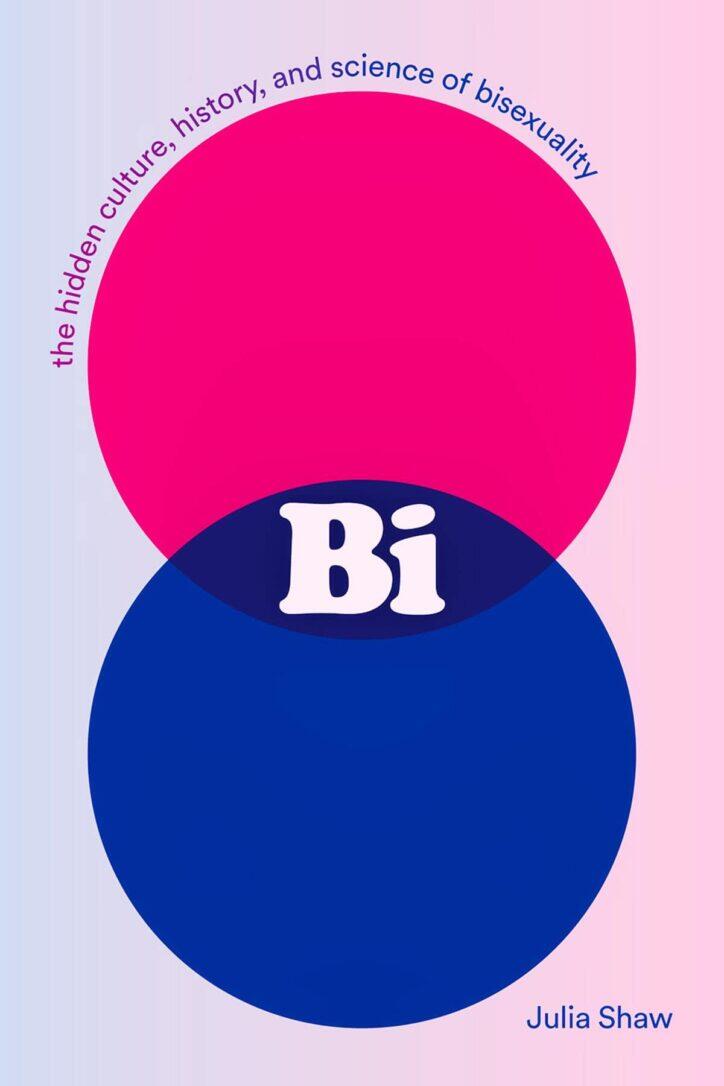
In Dr. Julia Shaw’s thoughtful and illuminating Bi: The Hidden Culture, History, and Science Behind Bisexuality, this history is explored. Why do we as a culture find it so hard to understand bisexuality? What is the science behind bisexuality? Why are bisexual people so demonized? Despite decades of progress across the rainbow, bisexual people are still labeled as indecisive, hedonistic, and homewreckers. Their representation is still erased or suppressed.
Through study, and her own out and proud identification as bisexual, Dr. Shaw unpacks and explores the very real and very personal, and challenges our preconceived notions about bisexuality. This is not a textbook, not a manifesto, and not a diary. But what you will find in this critically acclaimed “bi-ble” is a fun and thoughtful exploration into the human sexual experience.
FODOR’S BOOK CLUBWant to read more interviews like this? Make sure you’re signed up for Fodor’s Book Club. You’ll be reading our monthly picks alongside thousands of Fodor’s readers, be entered into exclusive giveaways and contests, and get more fun book-related content delivered straight to your inbox.
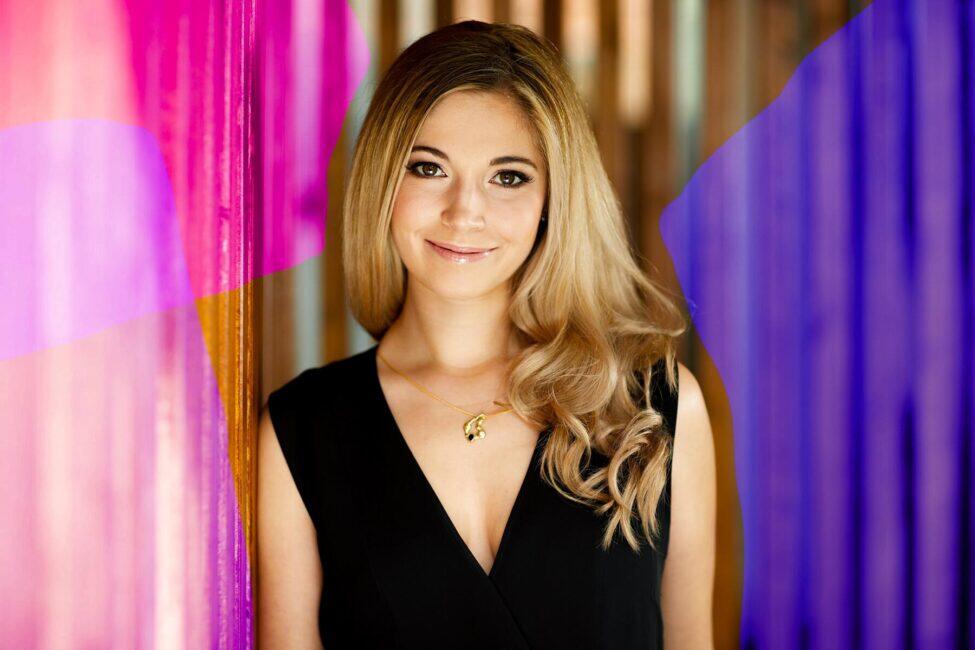
FODOR’S: What do you hope a reader takes away from this book?
DR. JULIA SHAW: That how we talk about sexuality needs an update, to match the beautiful diversity of how people love beyond gender. There are so many bisexual people in the world, and I want every one of them to feel seen and to learn about their own culture and history. In this book, I dig into over 150 years of history and research, most of which has been hidden until now. Note that when I say bisexual, it means the attraction to multiple genders and is an umbrella term for other identities, including pansexual and plurisexual.
No matter what your own sexuality is, this book will challenge and enrich you to think much more deeply about whom you love, whom you are attracted to, and how you choose to structure your relationships.
Society considers heteronormativity to be the default. You challenge it with facts, studies, and research (even from the animal kingdom). Do you think politics has cemented these ideas, and we’re regressing again due to unfavorable opinions of politicians looking for votes?
Queer identities, including bisexual people, have always been under social scrutiny and attack. The move towards a world that is more inclusive and loving towards bisexual people isn’t a straight line of progress. Current political moves like “don’t say gay,” which ban teachers from the discussion of sexual orientation in schools in Florida, have always existed. As have the arguments that all queer people are sexual deviants and predators.
As I discuss in my book, stereotypes about bisexual people are also still alive around the world, and sometimes get weaponized against out bisexual people. For example, bisexual women are often stigmatized as promiscuous. And bi men are treated as bridges of disease from the gay to the straight community. Most notably, historically, bi men have been blamed for giving straight people AIDS (since AIDS was seen as the “gay disease”), and now some are stereotyping bi men as monkeypox spreaders.
Can you tell us about your experiences at work as a bisexual? Have you faced any discrimination or even unwanted commentary or jokes about being bisexual?
Until recently, I stayed quiet at work about my bisexuality. I came out to selected colleagues before, but it was when I was in my 30s that I came out more widely. I had a wonderful experience, and because I am now known to be bi, I have had many friends and colleagues who have come out to me. It’s wonderful to be able to create a culture of bi-inclusion. In order to do that, you often need to put your own identity out there, and then others feel empowered to also be themselves openly.
But that is certainly not true for everyone. There is research on what has been called the “bi penalty,” which is that it is seen as less appropriate for people to come out as bi at work than as gay, and one study even found that in a mock research setting, bi people were offered lower starting salaries. Bisexuality is still often seen as too sexual, a lifestyle choice, or attention seeking while coming out as gay in modern workplaces is more often accepted as an identity. This urgently needs to change.
Bisexuals often experience discrimination not just from the heterosexual community, but also from the LGBTQ+ community. Can you detail the nuance behind that?
Particularly bi women often face explicit discrimination and harassment from the queer community. If you look at historical records, you can see that since the beginning of the fight for LGBTQ+ rights bi women have been called fence-sitters, sexual spies, untrustworthy because of their associations with men. This was particularly strong in the 1970s and 1980s. It contributed to the creation of the first specific bi spaces, like the San Francisco Bisexual Centre in 1976, which is now called the Bay Area Bi and Pan Network. Today we have a number of strong bi networks and bi events around the world.
Wherever you live, there’s probably a gathering or group that meets near you. It’s really good to get plugged into these networks, even just to follow bi-positive social media accounts. Research has found that queer networks are an important psychological buffer against the stress of being bi in a society that often still ignores or rejects us. Unfortunately, bi people are far less likely than homosexual people to belong to queer networks. This lack of queer support has been related to increased mental health issues, drug abuse, and even homelessness among bisexual people.
There are also problematic beliefs surrounding gender and bisexuality–for those self-identifying as women, it’s “believable”; for men, it’s often dismissed as just a slow reveal that they’re actually gay. Tell us more about that.
The stigmas are different for women, men, and nonbinary people. Men are often told they are lying because they are “actually gay” and just haven’t accepted it yet. This can lead to stigma in dating situations, particularly from women. Bi women are often fetishized by straight men and treated as sexual tourists in lesbian spaces. Bi nonbinary people, meanwhile, can get a bit of both.
Have you noticed while traveling that bisexuality seems more acknowledged in certain places than others?
As I discuss in my chapter on human rights, being bi is a specific risk factor in countries that criminalize homosexual behavior and shouldn’t be overlooked. Importantly, people are sometimes attacked specifically for being bisexual, not simply because they are assumed to be gay or lesbian.
Who are some of your favorite bisexual characters in TV or film, or books that you feel helped shape the idea of what bisexuality “looked like” or simply gave audiences bi visibility?
I didn’t see any bi representation on screen or in books growing up, but that’s changing. Heartstopper and The Politician are two Netflix series, which are absolutely wonderful coming-of-age series that made my heart swell. In my twenties, I found the work of Octavia Butler, and she often includes bi characters in her science fiction books. And there’s the classic book, Giovanni’s Room by James Baldwin, which is a tribute to a man’s heart divided by the love for a woman and a man.
It seems as though a lot of women realized they were bisexual during the pandemic lockdowns, and dating throughout them. We have our suspicions, but why do you think that is?
I don’t know, but I think that’s right! Perhaps it’s because when we spend more time with our own thoughts, we begin to allow our minds to expand. This expansion can make us realize the potential for attraction to multiple genders, and give us a new foundation for sexual exploration. I don’t think everyone is bi, but I do think that most people will, at some point in their lives, meet someone who destabilizes the gender of whom they think they can love. And that is a beautiful thing.
Bi: The Hidden Culture, History, and Science Behind Bisexuality’ by Dr. Julia Shaw (published by Abrams Books) is available now in hardback, e-book, and audiobook.