

Fodor's Expert Review Huntington Library, Art Museum, and Botanical Gardens
If you have time for just one stop in the Pasadena area, be sure to see this sprawling estate built for railroad tycoon Henry E. Huntington in the early 1900s. Henry and his wife, Arabella (who was also his aunt by marriage), voraciously collected rare books and manuscripts, botanical specimens, and 18th-century British art. The institution they established became one of the most extraordinary cultural complexes in the world.
The library contains more than 700,000 books and 4 million manuscripts, including one of the world's biggest history of science collections and a Gutenberg Bible.
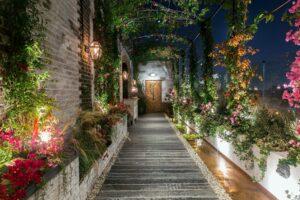
Don't resist being lured outside into the 130-acre Botanical Gardens, which extend out from the main building. The 10-acre Desert Garden has one of the world's largest groups of mature cacti and other succulents (visit on a cool morning or late afternoon). The Shakespeare Garden, meanwhile, blooms with plants mentioned in Shakespeare's works. The Japanese Garden features an authentic ceremonial... READ MORE
If you have time for just one stop in the Pasadena area, be sure to see this sprawling estate built for railroad tycoon Henry E. Huntington in the early 1900s. Henry and his wife, Arabella (who was also his aunt by marriage), voraciously collected rare books and manuscripts, botanical specimens, and 18th-century British art. The institution they established became one of the most extraordinary cultural complexes in the world.
The library contains more than 700,000 books and 4 million manuscripts, including one of the world's biggest history of science collections and a Gutenberg Bible.
Don't resist being lured outside into the 130-acre Botanical Gardens, which extend out from the main building. The 10-acre Desert Garden has one of the world's largest groups of mature cacti and other succulents (visit on a cool morning or late afternoon). The Shakespeare Garden, meanwhile, blooms with plants mentioned in Shakespeare's works. The Japanese Garden features an authentic ceremonial teahouse built in Kyoto in the 1960s, and will soon see the addition of another historic building. A waterfall flows from the teahouse to the ponds below. The Chinese Garden, which is among the largest outside China, sinews around waveless pools. The Bing Children's Garden lets tiny tots explore the ancient elements of water, fire, air, and earth. Several on-site dining options are available, including the Rose Garden Tea Room, where afternoon tea is served (reserve in advance).
A 1¼-hour guided tour of the Botanical Gardens is led by docents at posted times, and a free brochure with a map and property highlights is available in the entrance pavilion. Tickets for a monthly free-admission day are snapped up within minutes online, so plan carefully.
READ LESS