


Andalusia
Andalusia
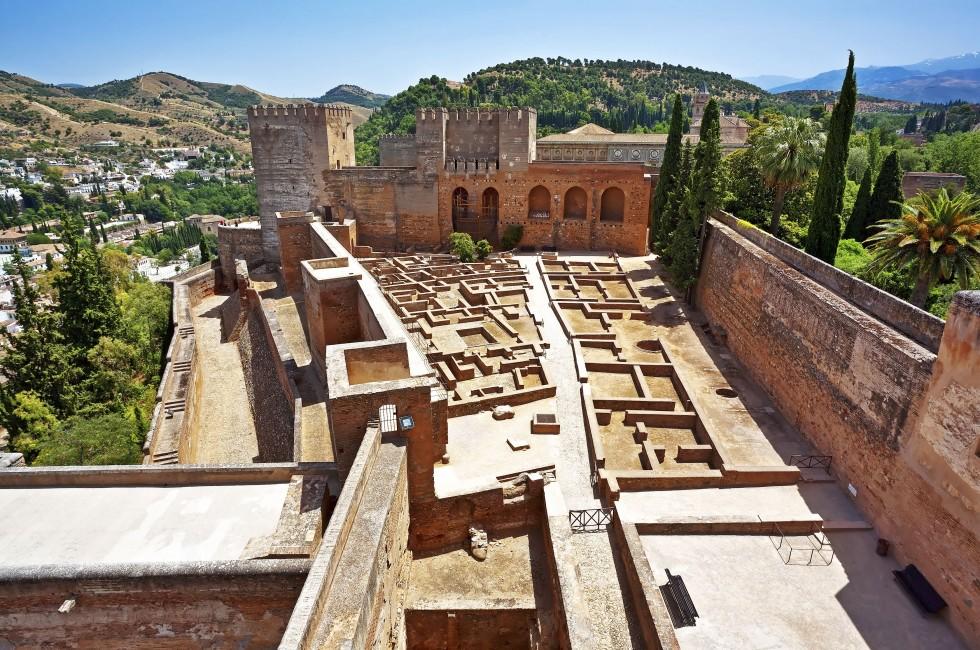
Gypsies, flamenco, horses, bulls—Andalusia is the Spain of story and song, simultaneously the least and most surprising part of the country: least surprising because it lives up to the hype and stereotype that long confused all of Spain with the Andalusian version, and most surprising because it is, at the same time, so much more.
To begin with, five of the eight Andalusian provinces are maritime, with colorful fishing fleets and a wealth of seafood usually associated with the north. Second, there are snowcapped mountains and ski resorts in Andalusia, the kind of high sierra resources normally associated with the Alps, or even the Pyrenees, yet the Sierra Nevada—with Granada at the foothills—is within sight of North Africa. Third, there are wildlife-filled wetlands and highland pi...
Read MoreGypsies, flamenco, horses, bulls—Andalusia is the Spain of story and song, simultaneously the least and most surprising part of the country: least surprising because it lives up to the hype and stereotype that long confused all of Spain with the Andalusian version, and most surprising because it is, at the same time, so much more.
To begin with, five of the eight Andalusian provinces are maritime, with colorful fishing fleets and a wealth of seafood usually associated with the north. Second, there are snowcapped mountains and ski resorts in Andalusia, the kind of high sierra resources normally associated with the Alps, or even the Pyrenees, yet the Sierra Nevada—with Granada at the foothills—is within sight of North Africa. Third, there are wildlife-filled wetlands and highland pine and oak forests rich with game and trout streams, not to mention free-range Iberian pigs. And last, there are cities like Seville that somehow manage to combine all of this with the creativity and cosmopolitanism of London or Barcelona.
Andalusia—for 781 years (711–1492) a Moorish empire and named for al-Andalus (Arabic for "Land of the West")—is where the authentic history and character of the Iberian Peninsula and Spanish culture are most palpably, visibly, audibly, and aromatically apparent.
An exploration of Andalusia must begin with the cities of Seville, Córdoba, and Granada as the fundamental triangle of interest and identity. All the romantic images of Andalusia, and Spain in general, spring vividly to life in Seville: Spain's fourth-largest city is a cliché of matadors, flamenco, tapas bars, Gypsies, geraniums, and strolling guitarists, but there's so much more than these urban treasures. A more thorough Andalusian experience includes such unforgettable natural settings as Huelva's Sierra de Aracena and Doñana wetlands, Jaén's Parque Natural de Cazorla, Cádiz's pueblos blancos, and Granada's Alpujarras mountains.
Recommended Fodor’s Video
Hotels



Things to Do
Things to Do
Explore Things to Do
Find the perfect tours and activities in Andalusia.
Where to Eat
Where to Eat
Need to Know
Need to Know
Language
SpanishNearby Airports
SVQ, XRY, GRXElectrical Outlets
220v/50 cycles; electrical plugs have two round prongsCurrency
EuroLanguage
SpanishElectrical Outlets
220v/50 cycles; electrical plugs have two round prongsCurrency
EuroNearby Airports
SVQ, XRY, GRXWhen to Go
The best months to go to Andalusia are October and November and April and May. It's blisteringly hot in the summer; if that's your only chance...Read More
Neighborhood Guides
Discover the best neighborhoods in Andalusia with curated recommendations from our editors.
essentials
transportation
When to Go
The best months to go to Andalusia are October and November and April and May. It's blisteringly hot in the summer; if that's your only chance...Read More
Neighborhood Guides
Discover the best neighborhoods in Andalusia with curated recommendations from our editors.
When to Go
The best months to go to Andalusia are October and November and April and May. It's blisteringly hot in the summer; if that's your only chance...Read More
Neighborhood Guides
Discover the best neighborhoods in Andalusia with curated recommendations from our editors.
essentials
transportation
Articles
Articles See All
Guidebooks
Guidebooks
Our worldwide travel correspondents bring you the best and most up-to-date coverage of over 7,500 global destinations.
Shop Now
Fodor's Madrid: with Seville and Granada
For over 80 years, Fodor's Travel has been a trusted resource offering expert travel...

Fodor's Essential Spain 2024
For over 80 years, Fodor's Travel has been a trusted resource offering expert travel...


