Top Amsterdam Experiences
- Overview
- Itineraries
- Places to Explore
- Sights
- Restaurants
- Hotels
- Entertainment
- Shopping
- Travel Tips
- Features
- Fodor's Choice
- Deals
- Guidebooks
Top Amsterdam Experiences
According to 19th-century French writer Joris-Karl Huysmans, Amsterdam is "A dream, an orgy of houses and water," and it's no less true 100 years later.
Canals
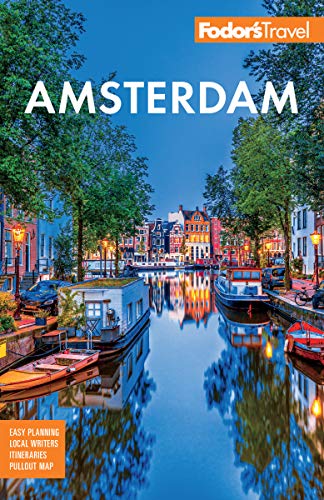
Amsterdam's canals are constant reminders that man—or the Dutch, anyway—can control nature and actually make a nice life off it. More than 60 mi of canals, 400 stone bridges, and 90 islands have been created since the 17th century. Today, the Grachtengordel is a UNESCO World Heritage Site, not to mention prime real estate. On days with even the slightest sun, cafés with canal-side seating are where it's at. In warmish weather, the waterways truly come to life, as locals hop in their boats, taking anyone and anything normally welcome in their living room for a riparian wine-and-cheese soiree. Once associated with 1970s antiestablishment types, houseboats are increasingly a more affordable option for domicile-desperate locals, as well as visitors seeking quaint lodging (and not minding mediocre plumbing).
Gezelligheid
If you listen carefully to local speech and detect what sounds like a mild throat clearing, no doubt you're hearing one of the most cherished words in Lowlands parlance—gezellig. The term is frequently translated to mean "cozy," though anyone who has had the chance to experience Dutch gezelligheid (coziness) will confirm that cozy doesn't quite cut it. From the word gezel meaning "mate," gezelligheid quite literally refers to the general conviviality of a place or a person. Even if you don't have the chance to snug up on an Amsterdammer's couch, you can still witness signs of the spirit in lingering café conversations, those unsolicited cookies alongside your coffee, little lights along the canals at night, and house cats meowing out the window.
Tolerance
"Tolerance" has long been a buzzword of the country's live-and-let-live approach to governance. The nation as a whole has historically been seen as liberal and left-leaning, though "tolerate" is a simplistic translation for the Dutch verb gedogen, which suggests something more like "turn a blind eye to." In everyday policy, this means doing damage control. Ethics that threaten consensus are zoned to their own neighborhoods (e.g. prostitutes) and potential problems are regulated (e.g. pot). One famous Amsterdammer notorious for refusing to sugarcoat anything he found intolerable was filmmaker Theo van Gogh. In 2003, he was brutally murdered by a fellow Dutchman associated with a homegrown Islamic terrorist group. To many, the event marked a cataclysmic shift in the tides of so-called tolerance.
Vices
Even though their heyday may be fading, cannabis, and call girls, are still plentiful, professionalized, and permitted by the government. Being virtuous about venality, however, even in this open society there's protocol. Rules apropos of both hookers and hash are as follows: buy only in controlled zones, use with caution, leave your camera at home. Taking stoned pictures in coffee shops and photographing living lingerie could result in your being kicked to the curb, literally. In general, vice visitors are advised to check for updates on the changing laws, particularly regarding the legal sale of soft drugs.