

Fodor's Expert Review Chion-in Temple
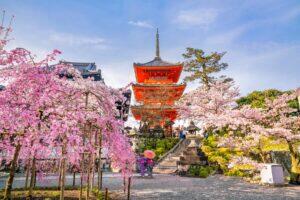
The headquarters of the Jodo sect of Buddhism, Chion-in is impressive enough to have been cast in the film The Last Samurai as a stand-in for Edo Castle. Everything here is on a massive scale. The imposing tiered gateway is the largest in the country, and the bell inside the temple grounds, cast in 1633, is the heaviest in Japan, requiring 17 monks to ring it. If you're in Kyoto over New Year's, you can hear it being struck 108 times to release believers from the 108 worldly desires of the old year. The bell may not be struck again until the previous sound has ceased, so it takes more than an hour to ring in the new year. The event is nationally televised.
The extensive temple buildings contain many artworks, along with simpler pleasures such as the exposed uguisu-bari (nightingale floor)—floor planks that "chirp" when trod upon, alerting residents of potential intruders. There are two halls, the greater and lesser, connected via corridors with... READ MORE
The headquarters of the Jodo sect of Buddhism, Chion-in is impressive enough to have been cast in the film The Last Samurai as a stand-in for Edo Castle. Everything here is on a massive scale. The imposing tiered gateway is the largest in the country, and the bell inside the temple grounds, cast in 1633, is the heaviest in Japan, requiring 17 monks to ring it. If you're in Kyoto over New Year's, you can hear it being struck 108 times to release believers from the 108 worldly desires of the old year. The bell may not be struck again until the previous sound has ceased, so it takes more than an hour to ring in the new year. The event is nationally televised.
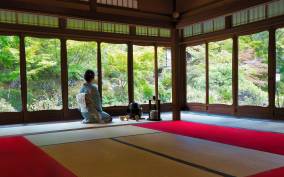
The extensive temple buildings contain many artworks, along with simpler pleasures such as the exposed uguisu-bari (nightingale floor)—floor planks that "chirp" when trod upon, alerting residents of potential intruders. There are two halls, the greater and lesser, connected via corridors with gardens between.
The temple is adjacent to Maruyama Park. As with most Kyoto temples, Chion-in's history includes a litany of fires and earthquakes. Most of the buildings you see date from the early 1600s.
READ LESS